

Zane
AI Tools Editor
Half human, half machine, fully caffeinated. Zane is the AI-powered editorial avatar behind Vibe Coding, part Nindroid, part night owl, 100% obsessed with finding the best tools so you don't have to. He reviews every AI app builder, dissects pricing pages, and stress-tests code generators so the Vibe Coding editorial team can publish honest, up-to-date content. When he's not benchmarking the latest prompt-to-app platform, he's probably arguing with a chatbot about semicolons.
Articles by Zane
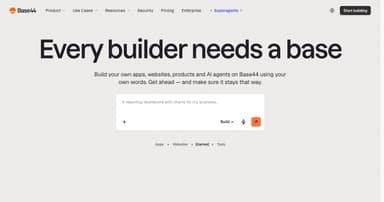
Base44 Review 2026: What It Builds, What It Costs
Hands-on Base44 review: verified pricing from $16/mo, Superagents, the Base 1 model, credit limits, security after the Wix deal, and how it compares to Lovable and Bolt.
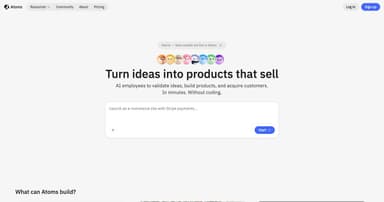
Atoms Review 2026: AI Team Past the Prototype
Atoms (atoms.dev) review: multi-agent AI team, pricing, Race Mode, and where it beats Lovable, Bolt, and Base44.
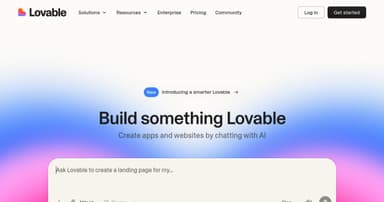
Lovable Review (2026): Pricing, Credits, and Real Limits
Lovable review: Cloud backend, Build Mode with AI subagents, and credit pricing from $25/mo. Tested against Bolt.new, Replit, v0, Cursor, and Claude Code.
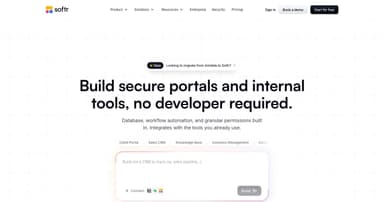
Softr Review: AI Platform for Building Working Business Apps
Independent Softr review. AI Co-Builder builds client portals and internal tools with databases, workflows, permissions. Free plan, paid from $49/mo.
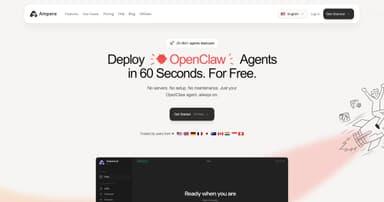
Ampere.sh Review: Deploy OpenClaw Agents in 60 Seconds (No DevOps)
Ampere.sh review covering one-click OpenClaw deployment, smart model routing, persistent memory, pricing from $1 to $79 a month, and how it compares to self-hosting and alternatives like DockClaw.
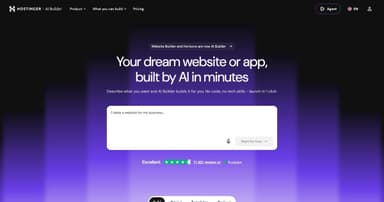
Hostinger Horizons Review 2026: Now AI Builder
Independent review of Hostinger Horizons, now AI Builder after the August 2026 merge. Features, current pricing, credits, and how it compares.

AutoGen vs LangGraph in 2026: Microsoft Has Already Answered This
AutoGen has the most stars of any of these frameworks and is the only one that has stopped moving. Microsoft calls Agent Framework its direct successor. What that means if you are choosing today.

Claude Code Security When You Did Not Write the Repo
Your coding agent reads the repo, its dependencies, its issues and its CI output, then runs commands. Most of that input was written by someone else. What the permission modes actually do, what YOLO removes, and what a hostile repo can and cannot turn on.

Claude Code Usage Monitors: What Is Out There, and Whether You Need One
Sixteen tools track Claude Code usage, and the built-in /usage command already does most of what they do. What each category adds, why every one of them is fragile, and how the list was actually assembled.

AI Agent Code Security Scanning: How to Check Code You Did Not Write
You shipped something an AI wrote and nobody reviewed it. Here is the five-minute free check, the tools worth paying for, and the point where scanning stops helping.
Best Claude Code Plugins in 2026: We Counted All 291
The best Claude Code plugins, ranked on Anthropic's own install counts for every plugin in the official marketplace, plus four picks from outside the directory and the finding that most of it has almost no users.

Claude Code 2026 Updates: Channels, Remote Control, End of OpenClaw
March 2026 transformed Claude Code with Channels (Telegram/Discord), Remote Control, Dispatch, and /loop scheduling. Here's what changed, how to use it, and whether you still need OpenClaw.

GitSpawn: The .git/config Line That Runs Code When Your AI Agent Opens a Folder
A folder that arrives with its .git directory can make Claude Code, Cursor, Codex and four other agents run a command before you type anything. What GitSpawn is, which versions are fixed, and the two commands to run today.

Lovable Credits Explained (2026): What a Message Costs and When Credits Die
Lovable's credit system decoded from the official pages: what messages cost (0.5 to 1.7 credits by Lovable's own examples), what one balance covers, every expiry rule, and how far each plan's credits actually go.

Webflow Review (2026): The CMS Moved, and the Toggle Hides the Price
Webflow's pricing page read in both billing states on 8 September 2026: the CMS is now a $25 Premium plan, $39 monthly, and the stacked add-ons. Who it fits and where Framer wins.

What Is LLM Evaluation? Evals Explained for People Who Ship, Not Publish
LLM evaluation is the practice of measuring a model or an AI feature against fixed cases and a written standard. The four approaches, the smallest eval loop a vibe coder can run, and what the tools cost.

What Are LLM Guardrails? Definition, Types, and the Minimum a Shipped App Needs
LLM guardrails are runtime checks on what goes into a model, what comes out, and what it may do. The four kinds, what they cost, and the short list a vibe-coded app needs before real users touch it.

Superpowers Review (2026): Discipline for Agents, at the Price of Ceremony
Superpowers makes coding agents brainstorm, plan and write tests before code. A first-hand review after two months of running it, including when to skip it.
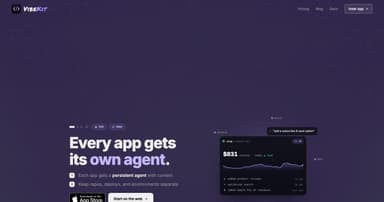
VibeKit Review (2026): The Subscription That Comes Back as Credit
VibeKit builds apps from your phone and charges for the platform rather than the AI. Builder at $19.99 returns $20 of credit. The catch, and who it fits.

Orca Review (2026): The Parallel Agent IDE That Runs Everywhere
Orca runs coding agents in parallel worktrees inside one IDE, free and open source, on every desktop platform plus mobile. Where it fits against rivals.
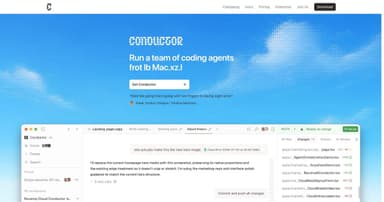
Conductor Review (2026): What $50 a Month Buys Over Free
Conductor runs parallel coding agents on your Mac, free locally. Pro at $50 a month adds cloud workspaces and multiplayer. Whether that is worth it.

Builder.io Review (2026): Half the Product Has No Public Price
Builder.io's visual IDE publishes prices; its CMS does not. Live pricing read in every toggle state, what an Agent Credit hides, and who it actually fits.
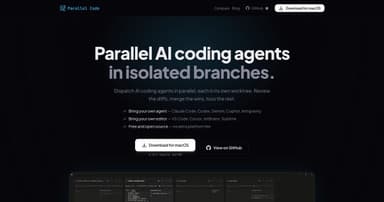
Parallel Code Review (2026): Free Parallel Agents, One Worktree Each
Parallel Code runs several coding agents at once in isolated git worktrees. MIT licensed, no platform fee, and honest about what worktrees do not solve.

VibeEval Review (2026): The One That Actually Attacks Your App
VibeEval probes live AI-built apps and has an engineer verify each finding. Live pricing, what active testing reaches that free scanners cannot, and the catch.
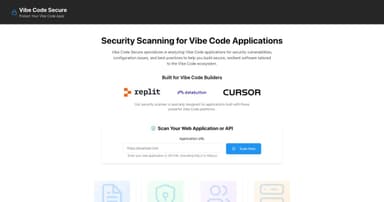
VibeCodeSecure Review (2026): Free, Frictionless, and Claiming More Than a URL Can See
VibeCodeSecure scans AI-built apps free with no signup. What its four categories can actually observe from outside, and where the claims outrun it.
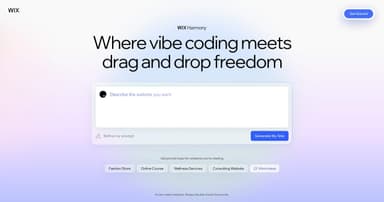
Wix Harmony Review (2026): Vibe Coding for Sites You Will Never Own
Wix Harmony blends prompting with drag-and-drop and bundles the AI free at every tier. What that costs, where the Wix Studio gap bites, and who it suits.

How to Vibe Code a Mobile App (2026): Start With What the Tool Can Actually Ship
Only 15 of 180 AI builders we track can produce something that reaches an app store. Pick on output, then follow the loop that gets it onto a device.

Best MCP Servers for Claude Code (2026): Scopes, Setup and a Context Budget
How to add MCP servers to Claude Code, which scope to use, and why keeping the list short matters more than picking the perfect server.

How to Build an MCP Server (2026): The Part That Is Not the Code
A working MCP server in Python or TypeScript, with the exact current package names, plus the tool-description work that decides whether the model uses it.
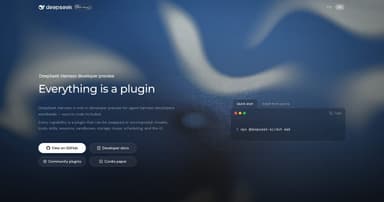
DeepSeek Harness Review (2026): 213,000 Stars and a Safety File Nobody Quotes
DeepSeek Harness went from launch to 213,000 stars in three weeks. What it is, what its own safety file says, and what the tokens actually cost.

Enterprise AI Coding Agents (2026): Buy the Control Plane, Not the Agent
A practical evaluation framework for enterprise AI coding agents: the five controls that decide it, the questions to ask a vendor, and how to measure it.

AI Coding Agents for Startups (2026): The Stack by Stage, Not by Ranking
Which AI coding agents a startup should actually buy, split by stage, with prices checked live and the usage costs that sit on top of the subscription.

Agentic Engineering vs Prompt Engineering (2026): Where to Actually Invest Your Skills
Prompt engineering optimises an instruction; agentic engineering designs the system around it. The difference, the test for which you need, and what to learn next.
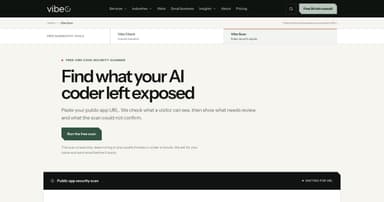
Vibe Scan Review (2026): We Scanned Our Own Site and Checked Every Finding
An accuracy audit of VibeZero's free Vibe Scan, not a feature recap. It reported 8 HIGH on our production site; we traced each one to the code and counted what was real.
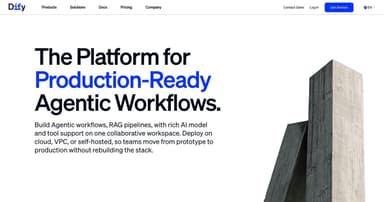
Dify Review (2026): Pricing, Self-Hosting and the Licence Nobody Reads
Independent Dify review with live-checked pricing, the Flowise comparison, and the licence condition that decides whether you can self-host commercially.

AI App Development Companies (2026): How to Choose a Firm That Ships
What an AI app development company actually builds, what the ones that publish prices charge, and how to tell a firm that ships production AI from one that ships demos. Quoted figures only, from Clutch, RaftLabs, DEV.co, BairesDev and TechAhead.

Claude Code Feels Slow: The Two-Minute Diagnosis and the Fixes That Work
Claude Code slowing down is usually your usage window, your context, or your setup. Check which in two minutes, then apply the fix that matches.

Best Claude Code Alternatives (2026)
Claude Code is included in the Anthropic Pro plan; an earlier version of this page said otherwise and was wrong. The alternatives are still worth knowing: Cursor, Lovable, Codex CLI, Cline, Aider, Continue.dev and the local Ollama stack, ranked by fit with pricing and a decision tree.

What Is an Agentic Workflow? From Single Prompts to Agent Pipelines
An agentic workflow is a process where an AI agent plans, uses tools, and iterates toward a goal. What that looks like for developers, the patterns that matter, and when a plain prompt is still the better call.

What Is an AI Agent? The Definition, the Loop, and the Coding Kind
An AI agent takes a goal, plans, acts through tools, and iterates until the job is done. What separates it from a chatbot, how the loop works, and why coding agents are the version builders actually meet.

Best OpenClaw Hosting (2026): Where to Put an Agent After KiloClaw Shut Down
Independently priced roundup of OpenClaw hosting: managed hosts from $1 to $49 a month, one-click VPS from $4, and the self-host maths. Prices checked on the vendors' own pages.

What Is a Context Window? LLM Working Memory, Explained for Vibe Coders
A context window is the token budget an LLM works inside: input, history, and output share it. What that means in Cursor, Claude Code, and Lovable, with verified 2026 sizes.
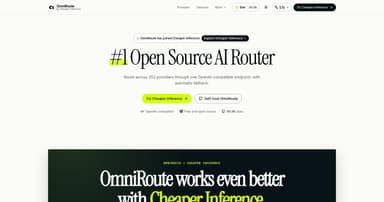
OmniRoute Review (2026): The Free-Tier Router for Claude Code and Codex
Independent OmniRoute review: the self-hosted MIT AI gateway with auto-fallback across 300+ providers. Setup, real costs, security, and the ToS questions nobody covers.
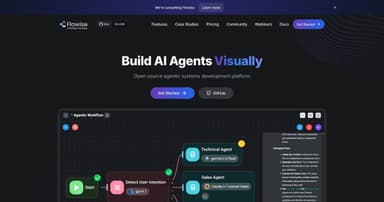
Flowise Review (2026): The Official Sunset, and What to Do Now
Flowise review after the official sunset: what the visual LLM builder did well, the shutdown timeline, historical pricing, and where to migrate.

Best Vibe Coding Agencies in 2026: Compared by the Job
Independent comparison of vetted vibe coding agencies for MVP builds, code audits, rescues, and scaling. Pricing bands, red flags, and who fits which job.

Vibe Coding Cleanup Services in 2026: Who Fixes What AI Built
Comparison of vibe coding cleanup and rescue services: free audits, fixed prices, monthly plans, and the cleanup-versus-rebuild decision, with every published price verified.

AI Desktop Assistants on Mac: What Gemini, ChatGPT and Claude Can Actually See
Gemini, ChatGPT and Claude all ship Mac apps that read your screen. They read different things, through different permissions, with different power to act. Here is the comparison by access rather than by benchmark.
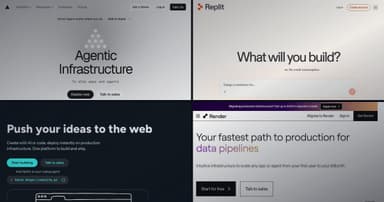
Best Cloud Platforms for AI Apps: Where to Put a Vibe-Coded Project
Seven platforms for hosting an AI app, compared on the things that actually break: function duration, cold starts, and whether background work can run at all. Prices verified against each vendor's own page.

Generative Engine Optimization for Vibe Coders: Let the Agent Do the SEO
Generative engine optimization is being cited in AI answers rather than ranked in a list. What the founding paper and Google actually say, why vibe-coded apps are invisible to crawlers, and the agent prompts and skills that fix it.

Lovable AI Pricing 2026: Free, Pro & Business Plans
Full breakdown of Lovable AI pricing: free plan details, the credit system explained, all four tiers compared, and whether the paid plans are worth it.
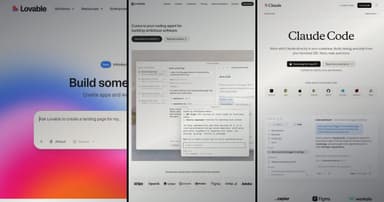
Lovable vs Cursor vs Claude Code: Which AI Tool Wins 2026?
Lovable vs Cursor vs Claude Code in 2026. Which AI coding tool fits your skills and project? Models, pricing, and a workflow that combines all three.

Vibe Coding for Designers: Ship Your Designs as Real Apps (2026)
How designers use vibe coding to turn Figma files and prompts into working apps. Tools, a Figma-to-app workflow, and limits to know in 2026.
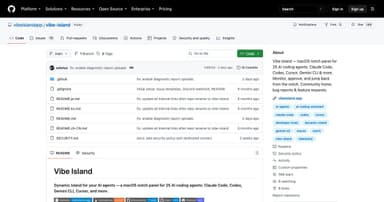
Vibe Island Review: 26 Agents in the Notch, Three You Can Actually Answer
Vibe Island turns the MacBook notch into a control panel for AI coding agents. What it monitors, what it can approve, what it costs, and where it annoys people.

Claude Code CLI vs Desktop 2026: Which to Use and Why
Claude Code CLI vs Desktop compared from the official docs: what only the CLI does, what only Desktop does, Web and teleport, and how to pick.

Lovable Gift Card 2026: Buy, Redeem, Get Free Credits
Lovable gift cards explained: where to buy, how to redeem, what the recipient gets, plus the LinkedIn Premium perk, student discount and promo codes.

Claude Code Adoption Statistics 2026: Which Tool Should You Learn?
39% of professional developers use Claude Code at work, and Cursor fell to 12%. The 2026 adoption data, and what it does and does not tell you about which tool to learn.

Cursor Origin: What Happens to Your Code If You Leave?
Cursor hosts your code now, and since 27 August a project can skip GitHub entirely. Whether you can get it back out, and the one thing the docs do not answer.

Managed AI Agent Hosting: Do You Actually Need It?
Your agent stops when you close the laptop. Whether that is worth paying to fix, what it actually costs, and the cheaper answer most people should take instead.

Base44 Promo Codes 2026: Every Real Discount, Checked
Base44 promo codes in 2026: what exists, what does not, and the verified savings: annual 20%, student 50%, and referral credits.
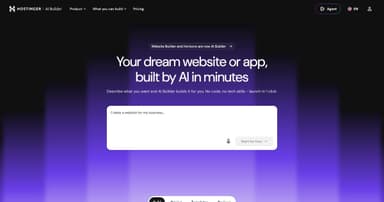
Hostinger AI Builder Promo Codes 2026: What Works
How Hostinger AI Builder (ex Horizons) discounts work: the default 75% pricing, the coupons page, community codes, and the renewal math.

Kilo Code Promo Codes 2026: Free Credits and Real Bonuses
Kilo Code promo codes in 2026: what is live, the Kilo Pass annual bonus, the free open-source tier, and how credit campaigns work.

AI Coding Agent Pricing Comparison 2026: Seven Tools, Four Ways to Meter You
Every AI coding agent priced from its official page in one comparison: Claude Code, Cursor, Codex, GitHub Copilot, Bolt, v0 and Lovable. The real difference is not the price, but the meter: time windows, dollar allowances, tokens or credits.

Build an Ecommerce Store With Lovable (2026): Digital First, Honest About the Rest
A working plan for building a store with Lovable: the digital-product build that genuinely fits (catalog, Supabase, Stripe checkout), the prompts per stage, and where physical-inventory commerce outgrows a vibe-coded stack.

Can Lovable Build Mobile Apps? (2026) The Straight Answer and the Four Real Paths
Lovable generates React web apps, not native binaries. What that means for the App Store, when a responsive web app or PWA is genuinely enough, and the four realistic paths from a Lovable build to phones.

Cursor Pricing 2026: Pro vs Pro+ vs Ultra, and Where the Money Actually Goes
Cursor pricing with every toggle on the official page clicked: Pro $20, Pro+ $60, Ultra $200, Teams $40 to $120 per user, yearly 20% off. Plus the two usage pools that decide how fast your plan runs out.

Export Lovable Code to GitHub (2026): Own Your App in Ten Minutes
How to connect Lovable's GitHub sync, what actually lands in the repo, where secrets and database data do NOT go, and the prove-it checklist that confirms the code runs without Lovable.

How to Fix Lovable Errors (2026): The Triage That Stops the Credit Bleed
A triage order for broken Lovable apps: status pages first, then the exact error, then the fix prompt. Covers blank screens, auth that dies in production, RLS permission errors, and when to stop prompting and open the code.

How to Prompt Lovable (2026): Ship More on Fewer Credits
Practical Lovable prompting guide: the first-prompt formula, bad to better prompt rewrites, knowledge-file setup, and the habits that cut credit burn, built around Lovable's own published per-message costs.

Lovable Stripe Payments (2026): Charge Real Money From a Vibe-Coded App
How to add Stripe payments to a Lovable app: the built-in Payments path vs the direct Stripe integration, prompts for one-time and subscription billing, webhook sanity checks, and the go-live list.

Lovable Supabase Integration (2026): Connect Your Own Backend, Step by Step
How to connect Supabase to Lovable: when to use your own Supabase instead of Lovable Cloud, the connection flow, auth and database prompts, RLS security checks, and what it costs.
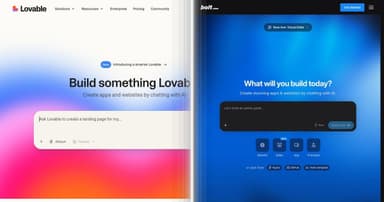
Lovable vs Bolt (2026): Credits or Tokens, Same $25
Lovable and Bolt both charge $25/mo and build full-stack apps from prompts. The difference is the meter (credits vs tokens), the backend path (Supabase vs your choice), and what each free tier actually lets you ship.
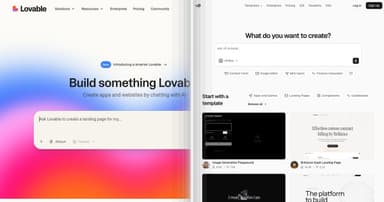
Lovable vs v0 (2026): Whole App or Perfect Components
Lovable builds and hosts the whole product; v0 generates world-class React UI inside the Vercel ecosystem. Live pricing ($25 vs $30), the different credit meters, and the workflow where the two combine.
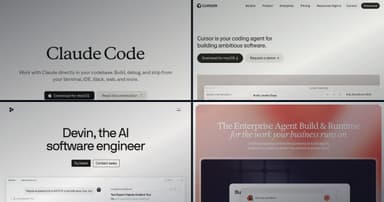
Agentic Engineering Tools 2026: The Stack, Layer by Layer, With Prices
The agentic engineering stack for 2026 in four layers: coding agents, orchestration frameworks, data and memory, observability. Live prices for Claude Code, Cursor, Codex, CrewAI, LangGraph, LangSmith and LlamaCloud, plus starter stacks by team size.

Claude Code Pricing 2026: Pro vs Max, Team, API, and What It Really Costs
Claude Code pricing explained with the exact figures from Anthropic's live pricing page: Pro at $20/mo, Max from $100/mo, Team seats from $20, and what API usage costs per developer. Plus how the 5-hour and weekly limits work.

Spec-Driven Development: A Practical Guide (2026)
What spec-driven development is, the three levels of rigor, how the loop runs with AI coding agents, and the published criticism of it that most guides leave out.

Context Engineering for Coding Agents (2026 Guide)
What context engineering means for coding agents, how it differs from prompt engineering, the five kinds of context that compete for the window, and the tactics that measurably improve agent output.

Claude Code Hooks: A Practical Guide for 2026
How Claude Code hooks actually work: the event lifecycle, matcher syntax, exit code and decision JSON semantics, five handler types, copy-paste guardrail recipes, and the failure modes that make hooks go quiet.

How Much Does a Vibe Coding Agency Cost? (2026)
Real vibe coding agency pricing: free audits, $1,500 to $5,000 hardening tracks, and $5,000 to $25,000+ rebuilds. What moves the number and how to keep it down.

How to Vet a Vibe Coding Agency (2026): 7-Step Checklist
A 7-step checklist to vet a vibe coding agency before you pay: tool coverage, audit scope, pricing transparency, references, and the red flags to avoid.

Best MCP Servers for Coding: The 4 to Install First
Most MCP roundups list thirty servers. Four do the real work. The starter stack for coding agents, with verified install commands and honest caveats.

OpenClaw Guide 2026: Install, Configure, and Run a Self-Hosted AI Agent
OpenClaw setup guide for v2026.3.23: prerequisites, one-liner install, model and messaging app configuration, cost breakdown, and troubleshooting for common 2026 issues.

How to Vibe Code a SaaS in 2026: The Full Build
A neutral, security-first workflow for vibe coding a SaaS: stack choice, spec prompts, Supabase auth and RLS, Stripe subscriptions, the hardening checklist, and what it actually costs per month.

Claude Code Subagents: A Practical Guide for 2026
How Claude Code subagents actually work: isolation mechanics, built-in types, custom frontmatter, nesting limits, and the signals that tell you delegation is worth the tokens.

VibeKit Review: The Agent Sandbox That Stopped Shipping
VibeKit runs Claude Code, Gemini, and Codex in an isolated sandbox with secret redaction. The engineering is sound. The maintenance signals are not. What the commit history and npm data actually show.

What is MCP (Model Context Protocol)? A Developer Guide for 2026
MCP explained for developers: what the Model Context Protocol is, how the host/client/server architecture works, why coding agents rely on it, and how to connect your first server.
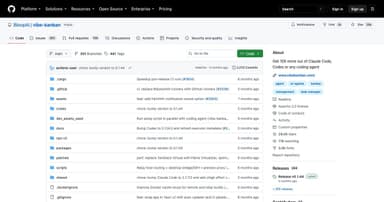
Vibe Kanban Review 2026: Open Source Now, Company Gone
Vibe Kanban review after the April 2026 shutdown: what still works locally, what cloud features are gone, and whether the open-source project is worth installing.
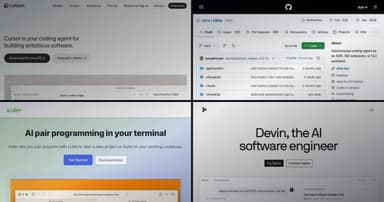
Best AI Coding Agents in 2026: Ranked and Compared
The best AI coding agents in 2026, ranked for real workflows: Claude Code, Cursor, Codex, Copilot, and the open-source picks, with verified pricing and a decision framework for choosing your stack.
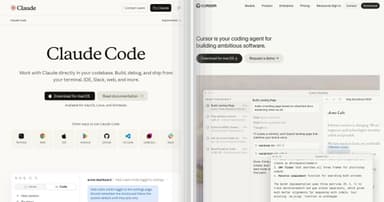
Claude Code vs Cursor (2026): Which Agentic Coding Tool Fits Your Workflow?
Claude Code vs Cursor in 2026, compared honestly. Current pricing, real timing data, feature-by-feature breakdown, and the both-tools setup most builders end up with.

Agentic Engineering: Definition and 2026 Guide
Agentic engineering is the discipline of directing AI coding agents that plan, write, run, and verify software under human oversight. Here is the definition, how it differs from vibe coding, the skills it needs, and the tools that power it.

How to Fix Lovable App Security: The Complete 2026 Guide
Fix the most common security gaps in Lovable-built apps. Covers Supabase RLS, API key exposure, input validation, authentication, and a 90-minute self-audit checklist.

Lovable AI SEO: How to Optimize Your Lovable App for…
Complete guide to SEO for Lovable-built apps: built-in SEO review, SSR, meta tags, structured data, Core Web Vitals, and programmatic SEO.

Lovable AI vs Emergent vs n8n: Best Vibe Coding &…
Lovable vs Emergent vs n8n compared. When to use an AI app builder, when to use workflow automation, and the combo approach that actually works best.

Lovable vs Google AntiGravity (2026): Web Magic vs Agent-First IDE
Lovable vs Google AntiGravity compared for 2026: pricing, features, code quality, target audience, and honest recommendations for builders who want to pick the right tool.
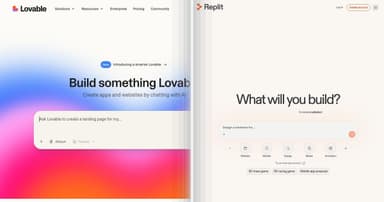
Lovable AI vs Replit 2026: Which…
Lovable vs Replit in 2026: honest comparison of features, pricing, code quality, and use cases. Which AI builder is right for your project?

Best AI Coding Assistant Tools in 2026: The Developer's Guide
An honest comparison of the best AI coding assistants for developers in 2026. Cursor, Claude Code, GitHub Copilot, Windsurf, and more, with real pricing, trade-offs, and recommendations.

What Is Vibe Coding? The No-BS Guide for 2026
Vibe coding is the AI-driven development approach coined by Andrej Karpathy where you describe what you want and let AI write the code. Here's what it actually is, who's using it, and whether you should care.

AI Agents to Build a Startup: Idea to Launch in 2026
AI agents can now research a market, build the product, and run early growth, acting like AI employees for solo founders. Here's how to use them to go from idea to launch, the tools, and where they still fall short.

The Cheapest Way to Build a Website With AI in 2026
Want a real website without paying a developer or a big monthly fee? Here are the cheapest ways to build one with AI, the genuinely free options, and the budget pick that still looks professional.

Best AI Internal Tools Builders in 2026
The best AI internal tools builders for dashboards, admin panels, and client portals, compared for ops teams, founders, and non-technical builders, with honest picks for technical vs no-code.

How to Vibe Code a Website in 2026: A Beginner's Walkthrough
Vibe coding a website means describing what you want and letting AI build it. Here's the exact step-by-step process, the tools to use, and the prompts that actually work, even if you've never written code.

The State of Vibe Coding 2026: What the Search Data Shows
We pulled the Google search data on vibe coding. The headline term peaked in March 2026 and cooled, but the practical terms are surging. Here's what the numbers actually say about where vibe coding is heading.

Vibe Coding by Voice: How to Build Hands-Free in 2026
Vibe coding by voice means describing what you want out loud and letting AI write the code. Here's the exact setup, the tools, and the workflow to build hands-free, even if you've never dictated a line before.

Vibe Coding for Marketers: Build Pages and Tools Yourself (2026)
How marketers use vibe coding to build landing pages, calculators, quizzes, and lead-capture apps without engineering. Tools and a workflow for 2026.

Vibe Coding for Product Managers: Prototype and Validate (2026)
How product managers use vibe coding to build working prototypes, validate ideas faster, and write sharper specs. Tools and a workflow for 2026.

Agent Zero Review: Open-Source Multi-Agent Framework for Autonomous AI Coding
Agent Zero is a free, open-source AI framework that spawns subordinate agents in Docker sandboxes with code execution, browser automation, and persistent memory. Updated review covering v1.20, Time Travel, Codex OAuth, A0 CLI Connector, and the 100+ plugin Plugin Hub.
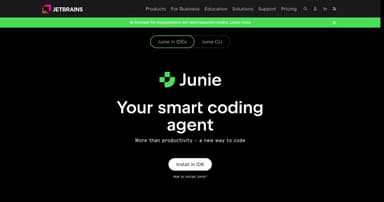
Junie Review 2026: JetBrains' AI Coding Agent Tested
Independent Junie review covering features, pricing, and how it compares to Cursor, GitHub Copilot, and Aider. Find out if JetBrains' native coding agent is worth the subscription.

Claude Cowork Review 2026: Pricing, Limits, vs OpenClaw
Honest review of Claude Cowork (atoms.dev sibling): pricing, agent model, Race Mode, Linux/web limits, and how it compares to OpenClaw and Claude Code.

Hermes Agent Review (2026): The Self-Improving Persistent Agent (and Hermes WebUI)
Hands-on Hermes Agent review covering the learning loop, seven sandbox backends, messaging gateways, and the community Hermes WebUI browser interface from nesquena.

Local Vibe Coding in 2026: Qwen 3.6, DeepSeek V4 Pro, and the Aider/Cline Stack That Actually Works
Local-only vibe coding stack for 2026: Qwen 3.6 27B and DeepSeek V4 Pro on Ollama or LM Studio, wired to Aider or Cline. Hardware requirements, config snippets, real walkthrough, and honest gap analysis vs Claude Code.

Vibe Coded App Security: The 7 Gaps in Every Shipped App (and How to Find Them in 30 Minutes)
A practical 30-minute security audit for vibe-coded apps. Covers the 7 gaps AI tools consistently miss (exposed keys, disabled RLS, missing JWT checks, client-side auth, XSS, LLM cost runaway, open CORS) with 2-minute fixes for each.

Inherit-a-Vibe-Coded-Codebase: The 2026 Cleanup Playbook
The 7-step playbook for rescuing a vibe-coded codebase: audit secrets, fix auth, harden the data layer, cap LLM spend, add validation, write real tests, and lock down deployment. Based on the r/ClaudeCode rescue thread and what agencies actually charge for.

Vibe Coding vs Agentic Engineering: What Is Actually Different (and Why the Claude Code Creator Wants to Retire the Term)
The Claude Code creator wants to retire "vibe coding." Simon Willison says the two terms are converging. Google Trends says the audience has not moved. Here is what is actually different between vibe coding and agentic engineering, and which one belongs in your job posts.

Vibe Coding Will Break Your Company: A Risk Audit for Engineering Leaders
A risk framework for CTOs and VP Engineering weighing vibe coding rollout. Five risk categories (security, compliance, IP, operational, people), a five-question readiness checklist, the responsible vibe coding stack, and when to bring in an external audit. Written for engineering leadership, not vibe coders.
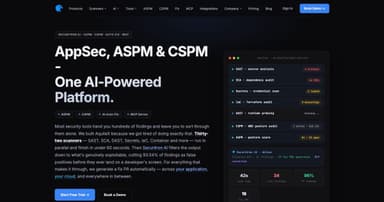
Aquilax Vibe Review (2026): The Security Scanner Built for AI-Generated Code
Hands-on Aquilax Vibe review covering pricing, the Vibe Code scanner, Securitron AI auto-fix, and honest comparisons with Snyk, Semgrep, and VibeDoctor.
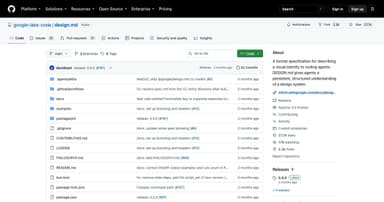
DESIGN.md Review 2026: Googles Open Format for AI Design Systems
Independent DESIGN.md review. Google Labs open format spec that pairs YAML design tokens with Markdown rationale so AI coding agents stop guessing your brand. Free, Apache 2.0, alpha stage.

What Is Vibe Debugging? The Other Half of Vibe Coding in 2026
Vibe debugging is the practice of using AI to find and fix bugs the same way you used AI to write the code. Two meanings, one workflow, and the real reason AI-generated apps break.

KiloClaw Review: Managed OpenClaw Hosting With Firecracker VMs and 500+ Models
Honest review of KiloClaw, the managed hosting service for OpenClaw. Covers pricing, security, setup, integrations, and how it compares to self-hosted OpenClaw and other managed Claw hosts.

The Vibe Coding Debate, Explained: Believers, Critics, and What Is Actually True
A fair-minded look at the vibe coding debate in 2026: who is arguing what, which claims hold up, and how to keep the upside without buying the downside.

Claude Design Review: Anthropic Labs Ships a Prompt-to-Prototype Studio That Hands Off to Claude Code
Claude Design by Anthropic Labs turns natural-language prompts into interactive prototypes, then hands off a clean implementation bundle to Claude Code. Honest launch-day review covering features, pricing, token burn, and how it stacks up against Figma, v0, and Lovable.
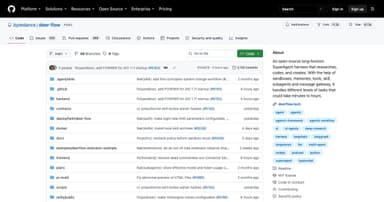
DeerFlow Review 2026: Is ByteDance's Open-Source SuperAgent Worth Self-Hosting?
Honest DeerFlow 2.0 review covering architecture, Docker sandbox execution, pricing (free), CrewAI comparison, local Ollama setup, and who should actually self-host this SuperAgent framework.

Vibe Coding vs Traditional Coding: An Honest Comparison (2026)
How does vibe coding compare to traditional coding? Side-by-side on speed, quality, security, scalability, and learning curve, plus the hybrid workflow most real teams actually use.
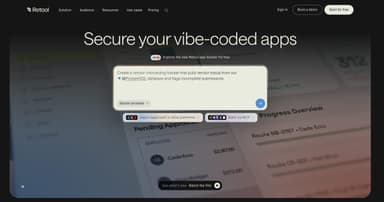
Retool Review: Low-Code Internal Tools With AI That Actually Ship
Honest Retool review for 2026: AppGen, AI agents, pricing, pros and cons, and how it compares to Appsmith and Superblocks.

Google AntiGravity Pricing 2026: Is the Free Tier Enough?
Google AntiGravity pricing: free tier with rate limits, Pro $20/mo, Ultra tiers at $100 and $200/mo after the I/O 2026 restructure. Credits, lockouts, CLI migration.

Zhipu GLM Coding Plan Pricing 2026: Which Tier Is Worth It?
Z.ai GLM Coding Plan pricing: Lite $10, Pro $30, Max $80 per month. GLM-5 API at $1/M tokens, free Flash models compared.

CrewAI Review: Multi-Agent Framework for AI Teams (Pricing, Pros, Cons)
Independent CrewAI review. Multi-agent Python framework for building AI agent teams. Open-source + enterprise AMP. Pricing, real use cases, and how it compares to LangGraph and AutoGen in 2026.

Best Vibe Code Audit Agencies in 2026: Verified Directory
A curated list of verified agencies that specialize in auditing AI-generated code. Pricing, specialties, and which one fits your project.

OpenClaw + Coding Plan Not Working? Every Error and How to Fix It
Fix every OpenClaw Coding Plan error: 401 invalid key, 403 forbidden, empty responses, connection failures, unknown model, stale cache, and unexpected charges. Symptom, cause, and fix for each.

How to Fix Database Issues in Your AI-Generated App (2026)
Disabled RLS, missing soft deletes, N+1 queries: the most common database failures in AI-built apps and exactly how to fix each one.

Alibaba Coding Plan Review: Is $50/Month Worth It?
Honest Alibaba Coding Plan review covering pricing, model quality, request limits, restrictions, and suspension risk. Who should subscribe and who should skip it.

Fix Authentication in Your AI-Built App: A 2026 Guide for Vibe-Coded Projects
How to find and fix broken authentication in apps built with Cursor, Lovable, Bolt, and other AI tools. Covers Supabase RLS, JWT validation, rate limiting, and session management.

Best AI Model for OpenClaw in 2026: Every Option Ranked
Complete ranking of every AI model available in OpenClaw, from Alibaba Coding Plan exclusives like Qwen3-coder-plus to standard options like GPT-4o and Claude Sonnet. Ranked by coding quality, speed, context window, and cost.

v0 App Audit: How to Review and Secure Your Vercel AI-Generated Code in 2026
Step-by-step guide to auditing v0 by Vercel apps for security, performance, and production readiness. Free checklist, tools, and when to hire a pro.

OpenClaw + Alibaba Coding Plan: Complete Setup Guide (2026)
Step-by-step guide to connecting OpenClaw with Alibaba's Coding Plan. Get your sk-sp API key, configure openclaw.json, avoid the reasoning: false gotcha, and start routing requests through Alibaba models.
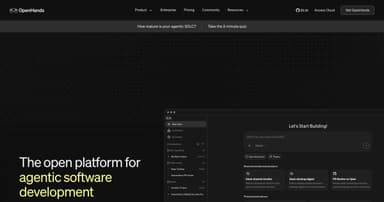
OpenHands Review 2026: Worth the Setup?
Honest OpenHands review covering self-hosting, benchmarks, pricing, and real performance. Is this open-source AI agent worth it?

Bolt.new App Fix: How to Repair Common Issues in 2026
Fix broken Bolt.new apps with this step-by-step guide. Covers infinite loops, failed deploys, database errors, slow performance, and security gaps.

OpenClaw Alternatives Compared: Which AI Agent Should You Actually Use? (2026)
Side-by-side comparison of 7 OpenClaw alternatives for indie developers. ZeroClaw, NanoBot, Claude Code, Codex, and more with pricing and security.

One (withone.ai) Review: The Agent Runtime That Replaces Your Integration Spaghetti
One gives AI agents authenticated access to 250+ platforms via a single CLI and MCP server. This review covers features, pricing, security, and how it compares to Composio, Zapier, and other integration tools.

Sahil Lavingia Turned The Minimalist Entrepreneur Into 9 Claude Code Skills: Here's Why That Matters
Gumroad founder Sahil Lavingia converted his bestselling book into 9 executable Claude Code skills. We break down each skill, how to install them, what the community thinks, and why this is the future of business knowledge.

Framer Review: AI Website Builder That Designers Actually Love
Framer review covering AI site generation, visual editor, CMS, pricing, and how it compares to Webflow. Find out if Framer is the right website builder for your next project.

Alibaba Coding Plan Lite Is Dead: What OpenClaw Users Need to Know
Alibaba discontinued Coding Plan Lite ($3/mo) on March 20, 2026. Here's what existing subscribers should do, whether Pro at $50/mo is worth it, and the best alternatives.
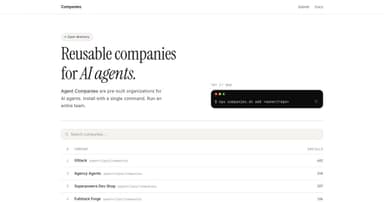
Paperclip Review 2026: AI Agent Teams That Run Like a Company
Paperclip (companies.sh) is an open-source framework where AI agent teams are organized as companies, CEO, Engineer, and QA roles coordinate via projects, issues, and heartbeat schedules. Here is an honest look at what it does and who it is for.

Cursor Code Audit: How to Review AI-Generated Code (2026)
How to audit Cursor-generated code for security, performance, and production readiness. Includes a step-by-step checklist, free tools, and copy-paste audit prompts.

OpenClaw on a VPS: The Self-Hosting Guide for Non-DevOps People 2026
Step-by-step guide to self-hosting OpenClaw on a VPS. Covers Hetzner, Oracle Cloud, DigitalOcean, and Linode with Ubuntu 22.04 setup commands, security hardening, and HTTPS configuration.

OpenClaw Beginner's Guide 2026: Set Up Your Own 24/7 AI Agent from Scratch
Step-by-step OpenClaw setup guide for beginners. Deploy on a VPS, connect Telegram, add Google Workspace, configure security and model routing, no code required.

Vibe Code Cleanup Cost: What You'll Actually Pay to Fix AI-Generated Code (2026)
Real pricing data for cleaning up vibe-coded apps. Security audits from $500, architecture fixes from $2,000, and when DIY saves you thousands. Breakdown by problem type and project size.

AI MVP to Production: The Complete Guide (2026)
How to take your AI-built MVP to production. A step-by-step process covering audits, fixes, hardening, and deployment for vibe-coded apps.

AI Generated Code Vulnerabilities: The Security Risks You Need to Know (2026)
AI-generated code ships with 2x the vulnerability rate of human-written code. Learn the 7 most common security risks in vibe-coded apps and how to find them before attackers do.

How Much Does OpenClaw Actually Cost? The Real Pricing Breakdown (2026)
Real OpenClaw costs broken down: VPS hosting, API tokens by model, routing strategies, and total monthly spend from $6 to $200 by use case.

How to Fix an AI-Generated App: A Practical Rescue Guide (2026)
Practical guide to fixing broken AI-generated apps. Covers authentication, database, performance, and security issues with step-by-step repair workflows for indie founders.

OpenClaw ClawHub Skills: The Security Risks Nobody Talks About
ClawHub skills run with full system access, zero sandboxing, and no audit process. Here's what that means for your code, your credentials, and your machine.

Vibe Code Audit: How to Secure Your AI-Generated App Before You Launch (2026)
Step-by-step guide to auditing vibe-coded apps. Includes an 18-check security checklist, free scanner tools, professional audit pricing, and real-world examples from indie founders.

Agentmaxxing: How to Run Multiple AI Coding Agents in Parallel (2026)
The complete guide to agentmaxxing, running multiple AI coding agents in parallel. Multi-agent workflows, terminal setups, git worktrees, and honest limits for Claude Code, Codex, and Gemini CLI.

cmux Review (2026): The Native macOS Terminal Built for AI Coding Agents
Independent cmux review covering features, Ghostty comparison, and multi-agent workflow. Honest take for macOS developers running AI coding agents.

A0.dev Review: AI Mobile App Builder From Text to App Store
Independent A0.dev review: YC-backed AI mobile builder. React Native apps from text prompts. One-click App Store publish. Free tier, Pro from $20/mo.

AGENTS.md Review: The Open Standard for AI Coding Agent Instructions
Independent AGENTS.md review: the open standard for giving AI coding agents project instructions. 60k+ repos. Linux Foundation backed. Free.

AI Coding Tools Are Making Your Code Worse (Here's the Data)
CodeRabbit, IEEE Spectrum, and METR all measured the same thing: AI-generated code has more bugs, more security issues, and takes longer to debug than writing it yourself.
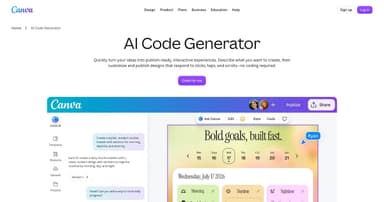
Canva Code Review: AI Code Generator for Designers
Independent Canva Code review: AI-powered interactive widget generator inside Canva. Powered by Claude. Pro from $12.99/mo.

CodeGeeX Review: Free AI Coding Assistant for 100+ Languages
Independent CodeGeeX review: free open-source AI coding assistant by Tsinghua University. 1.1M+ installs. 100+ languages. VS Code + JetBrains.
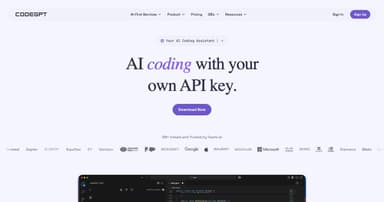
CodeGPT Review: BYOK AI Coding Assistant for VS Code & JetBrains
Independent CodeGPT review: bring-your-own-key AI coding assistant. Free with own API keys. 2M+ installs. VS Code + JetBrains.
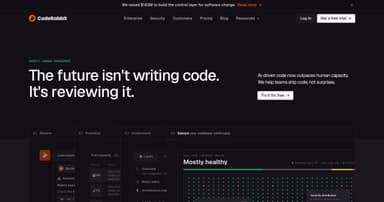
CodeRabbit Review: AI Code Review That Actually Catches Bugs
Independent CodeRabbit review: AI-powered PR review for GitHub, GitLab, Azure DevOps. SOC 2 certified. Free for open source. $24/dev/mo Pro.

Cursor Problems Nobody Talks About (2026)
The real issues with Cursor AI in 2026: code reversions, stability crashes, escalating costs, and when to consider alternatives.

Grok Studio Review: xAI's Free Browser IDE for AI Coding
Independent Grok Studio review: xAI's free browser-based coding environment. Grok 4 powered. Real-time preview. SuperGrok from $30/mo.
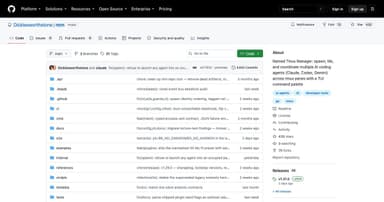
NTM Review: Multi-Agent Tmux Orchestrator for AI Coding
Independent NTM review: Named Tmux Manager for orchestrating Claude Code, Codex, and Gemini CLI agents. Free, open-source. TUI dashboard.
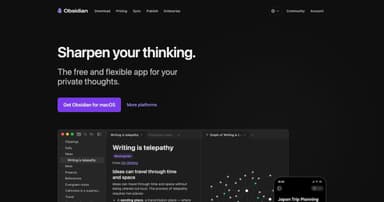
Obsidian Skills Review: Turn Your Vault Into an AI-Native Second Brain
Independent Obsidian Skills review: official agent skills by kepano. 5 skills for Markdown, Bases, Canvas, CLI, Defuddle. 47.5k+ stars. Free.

OpenClaw Security Issues: Everything That's Wrong (and How to Fix It)
A critical look at OpenClaw security risks: CVE-2026-25253, 0.0.0.0 binding, ClawHub supply chain attacks, memory exposure, and multi-channel vectors.

The Proactive Agent Problem: Why Speed ≠ Control in AI Coding
Most AI coding tools optimize for speed over control. Here's a framework for choosing the right level of agent autonomy based on what you're actually building.
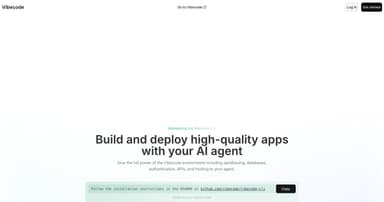
Vibecode Review 2026: Give Your AI Agent a Full Sandbox (vibecode.dev Pricing & Workflow)
Vibecode review 2026: the CLI-first agent platform that gives Cursor, Claude Code, and other AI agents a full sandboxed environment with databases, auth, 30+ APIs, and hosting. Pricing, workflow, and honest verdict.

OpenClaw Problems in 2026: Why Developers Are Leaving (And What They're Switching To)
The 7 biggest OpenClaw problems hitting indie builders right now, security nightmares, runaway API costs, context amnesia, and gateway crashes. Plus a cost-optimization playbook and honest alternatives.
Trae Review (2026): Is ByteDance's Free AI IDE Worth It?
Independent Trae review covering Builder Mode, pricing, privacy concerns, and how it compares to Cursor and Windsurf. Honest take for solo devs and indie hackers.

Multi-Agent Software Development: The Complete Guide for Developers (2026)
Learn how to run multi-agent software development without creating chaos. Practical coordination patterns, framework comparison (CrewAI, LangGraph, AutoGen, ChatDev), failure modes, and setup steps for 2026.

Google AntiGravity Review 2026: Agent-First IDE Worth Using?
Honest Google AntiGravity review covering the 2.0 four-surface split (IDE, 2.0 desktop, CLI, SDK), multi-agent workflows, updated pricing, the 'paperweight' controversy, and how it stacks up against Cursor, Copilot, and Claude Code.

How to Build an App with AI in 2026: The Practical Guide for Non-Technical Founders
A step-by-step guide to building your first app with AI in 2026. Covers idea validation, tool selection, prompting, building, launching, and monetization, no coding required.

Agentic Coding vs AI Pair Programming: When to Use Each (2026)
Compare agentic coding and AI pair programming side by side. Learn when autonomous agents outperform pair programming AI, and when the interactive approach wins.

AI API Integration Tools: Connect, Build, and Test APIs with AI (2026)
Complete guide to AI API integration tools. Integration platforms, AI code generators for APIs, and testing tools, compared with pricing, use cases, and honest recommendations.
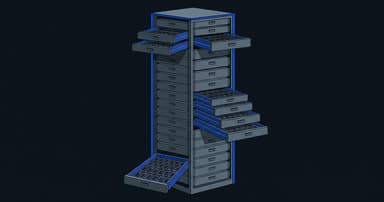
AI App Builder Feature Checklist: What to Evaluate Before You Build (2026)
The complete checklist for evaluating AI app builders. Eight categories, 30+ criteria, and a scorecard comparing Lovable, Bolt.new, V0, Replit, and Base44.

AI App Builder for Mobile Apps: Best Tools for iOS & Android (2026)
Compare the best AI app builders for mobile development. Native iOS/Android and responsive web options with pricing, features, and app store deployment guidance.

AI App Builder for Non-Developers: Build Real Apps Without Code (2026)
Find the best AI app builder for non-developers. Compare tools, pricing, and capabilities for building real applications without coding knowledge in 2026.

AI App Builder Pros and Cons: Honest Assessment for 2026
An honest look at AI app builder pros and cons. What they're great at, where they fall short, and how to decide if an AI builder is right for your project.

AI Tools for App Security: Scan, Test, and Secure Your Code (2026)
Complete guide to AI-powered application security tools. SAST, DAST, AI security agents, and in-IDE scanners compared with pricing, use cases, and setup guidance.

AI Tools Integrated Into IDEs: Complete Guide for 2026
Compare every AI tool that works inside your IDE. GitHub Copilot, Cursor, JetBrains AI, Gemini Code Assist, Amazon Q, Tabnine, and more, with features, pricing, and recommendations.

Apify Review: The Web Scraping Platform Built for Scale
Apify offers 5,000+ pre-built scrapers, proxy rotation, and serverless execution for web data extraction. Here is how this automation platform fits into data pipelines and vibe coding workflows.

Are AI-Generated Apps Production-Ready? Honest Assessment for 2026
An honest assessment of whether AI-generated apps are ready for production. What works, what doesn't, and the specific steps to bridge the gap between demo and deployment.

Build Your First App With AI: A Beginner's Step-by-Step Guide (2026)
Step-by-step guide to building your first app using AI tools like Lovable and Bolt.new. Includes starter prompts, a tool pricing comparison, and a 30-day beginner roadmap.

Claude Skills 2.0: Complete Guide to Building, Testing, and Optimizing Skills (2026)
Complete guide to Claude Skills 2.0. How to create, install, test, and optimize skills for Claude.ai and Claude Code with evals, A/B benchmarking, and trigger tuning.

How to Combine AI App Builders with GitHub: Complete Workflow Guide (2026)
Step-by-step guide to connecting AI app builders like Lovable and Bolt.new to GitHub. Set up version control, branch protection, and professional workflows for AI-generated code.

How to Run a Multi-Agent Dev Loop: Plan, Build, Verify, Ship (2026)
Step-by-step guide to running a multi-agent development loop. Learn how to coordinate AI coding agents through planning, execution, verification, and deployment phases.

How Vibe Coding Works: The Workflow Behind AI-First Development (2026)
Understand the vibe coding workflow from intent to deployment. Learn how spec-driven prompting, context management, and iterative review turn AI-generated code into production software.

Multi-Agent vs Single-Agent Coding: Benchmarks, Costs, and When Each Wins (2026)
Compare multi-agent and single-agent AI coding systems with real benchmark data. Learn when team-based agents outperform solo agents and when the overhead isn't worth it.

Prompt-to-Code Tools: The Complete Guide for 2026
Every type of tool that turns natural language into working code. App builders, AI IDEs, IDE extensions, terminal agents, and autonomous agents, compared by category with honest recommendations.

Tabnine Review (2026): The Privacy-First AI Coding Assistant
In-depth Tabnine review for 2026. Features, pricing, privacy capabilities, IDE support, and honest comparison with GitHub Copilot, Cursor, and Amazon Q.

Can You Trust AI-Generated Code? What the Data Says (2026)
45% of AI-generated code fails security tests. Here's what the latest research shows about AI code risks, and a practical 7-step framework for making vibe-coded apps trustworthy.

Vibe Coder's Guide to Building a Shippable MVP in 4 Hours
A step-by-step guide for vibe coders to build, refine, and ship an MVP in 4 hours using AI app builders like Bolt.new, Lovable, Cursor, and Replit. Includes prompt templates, cost breakdown, and security guardrails.

Render Review: Full-Stack Cloud Hosting with Flat Pricing for Vibe Coders
Render offers Git-push deploys, managed databases, and predictable flat pricing: all with a generous free tier. Here is how it stacks up for vibe coding deployment workflows.

AGENTS.md: The Complete Guide to Configuring AI Coding Agents (2026)
What is AGENTS.md, which AI coding tools support it, how it compares to CLAUDE.md and .cursorrules, and how to write one that actually improves agent output.
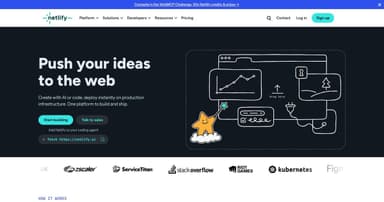
Netlify Review: Zero-Config Deployment Platform for Vibe Coding Projects
Netlify offers Git-connected deploys, global CDN, serverless functions, and a credit-based usage model. Here is how it fits into vibe coding deployment workflows.

How to Use Hostinger Horizons: Free Tutorial for…
Build your first web app with Hostinger Horizons in 20 minutes. Free step-by-step tutorial covering sign-up, prompting, customization, and one-click…

Build an App with Lovable: Free Tutorial for Beginners…
Build your first app with the Lovable app builder in 30 minutes. Free step-by-step tutorial covering sign-up, prompting, refinement, backend connection,…
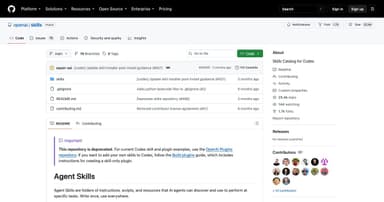
OpenAI Codex Skills Catalog Review: Reusable Agent Skills for Codex
The OpenAI Codex Skills Catalog packages 35+ curated workflows into installable skills for Codex CLI, IDE, and app. Here is what works, what is missing, and how it compares to alternatives.
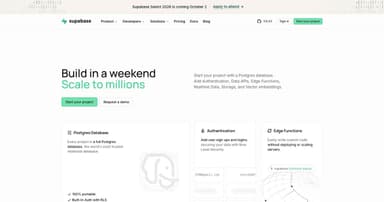
Supabase Review 2026: Postgres-First Backend for Vibe Coding Teams
Hands-on Supabase review for 2026 covering pricing, strengths, tradeoffs, and how it compares to Firebase, Neon, and PlanetScale for vibe coding workflows.

Cloudflare Pages + Workers Review: Edge-First Deployment for Vibe Coding Projects
Cloudflare Pages and Workers combine static hosting with serverless edge compute. Here is how this platform fits into vibe coding deployment workflows with its generous free tier and global edge network.
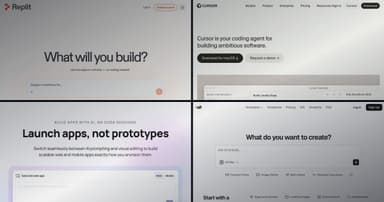
7 Best Lovable AI Alternatives in 2026 (Free & Paid)
Looking for Lovable alternatives? Compare 7 top AI app builders including Bolt.new, Replit, Cursor, Bubble, and more. Free and paid options with honest…

Agentic Engineering for Software Teams (2026): Practical Playbook
What agentic engineering means in real teams, where it works, where it fails, and a practical rollout framework for shipping safely.
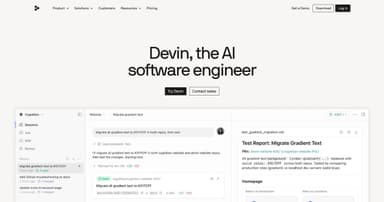
Devin Review: The Autonomous AI Software Engineer for Vibe Coding Teams
Devin by Cognition is a fully autonomous AI coding agent that plans, writes, tests, and deploys code end-to-end. Here is how it fits into vibe coding workflows for teams shipping real software.

Firecrawl Review: Web Scraping API That Turns Pages Into AI-Ready Data
Firecrawl converts any webpage into clean Markdown or structured JSON for AI consumption. Here is how this web data API fits into vibe coding data pipelines and AI agent workflows.
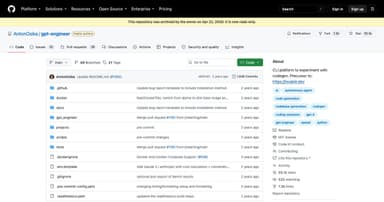
GPT Engineer Review: Open-Source CLI for Prompt-to-Codebase Generation
GPT Engineer is an open-source CLI that generates entire codebases from natural-language prompts. Here is how this foundational vibe coding tool works, its multi-model support, and where it fits in 2026.

Lemon Squeezy Review: Merchant of Record for Vibe Coding SaaS Projects
Lemon Squeezy handles global payments, taxes, and subscriptions as your merchant of record. Here is how it fits into vibe coding monetization workflows for digital products and SaaS.
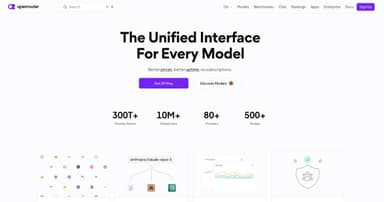
OpenRouter Review: The Universal LLM Gateway for Vibe Coding Workflows
OpenRouter provides a single OpenAI-compatible API for 500+ AI models from 60+ providers. Here is how this LLM gateway fits into vibe coding workflows with pay-as-you-go pricing and smart routing.

LangChain Hub Review 2026: Vibe Coding Tool Guide & Comparison
Hands-on LangChain Hub review covering prompt marketplace, LangSmith observability, evaluation tools, pricing tiers, and comparisons to vendor-specific cookbooks.
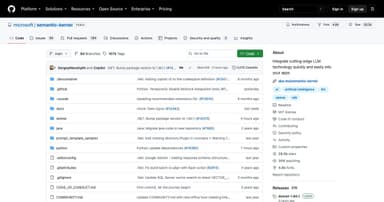
Microsoft Semantic Kernel Review 2026: Vibe Coding Tool Guide & Comparison
Hands-on Microsoft Semantic Kernel review covering AI orchestration, prompt templating, plugin architecture, enterprise security, and comparisons to LangChain.

Google Gemini Cookbook Review 2026: Vibe Coding Tool Guide & Comparison
Hands-on Google Gemini Cookbook review covering Gemini API examples, agent patterns, multimodal features, search grounding, and comparisons to Claude and OpenAI Cookbooks.

OpenAI Cookbook Review 2026: Vibe Coding Tool Guide & Comparison
Hands-on OpenAI Cookbook review covering GPT prompting guides, agent patterns, function calling, embeddings, realtime voice, and comparisons to Claude Cookbook.
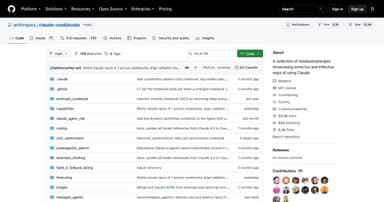
Claude Cookbook (Anthropic) Review 2026: Vibe Coding Tool Guide & Comparison
Hands-on Claude Cookbook review covering Anthropic's official prompt library, tool use examples, agent SDK patterns, MCP integration, and comparisons to OpenAI Cookbook.
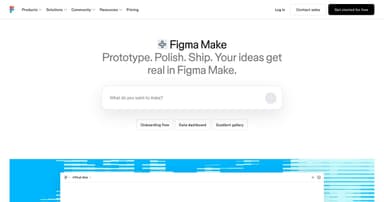
Figma Make Review: AI-Powered Design-to-Code for Vibe Coding Workflows
Figma Make turns text prompts into interactive app prototypes and connects designs to code via MCP. Here is how it fits into vibe coding workflows for shipping design-driven apps.
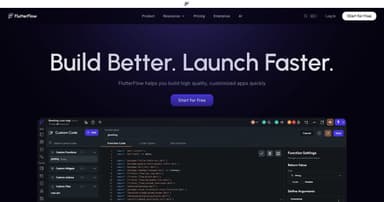
FlutterFlow Review: Visual App Builder for Cross-Platform Vibe Coding
FlutterFlow turns visual design into production Flutter code for iOS, Android, and web. Here is how it fits into vibe coding workflows for shipping cross-platform apps fast.

Hostinger Horizons Pricing 2026: After the Merge
Hostinger Horizons is now AI Builder and the four old plans are gone. Current pricing, the real renewal rate, and how AI credits work now.
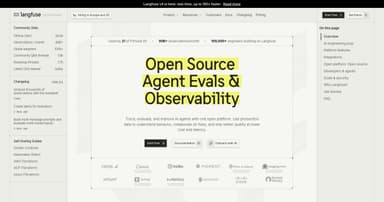
Langfuse Review: Open-Source LLM Observability for Vibe Coding Teams
Langfuse is an open-source LLM engineering platform for tracing, evaluating, and managing AI applications in production. Here is how it fits into vibe coding observability workflows.
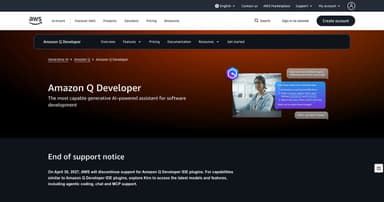
Amazon Q Developer Review (2026): AWS AI Coding Assistant for IDE + CLI
Practical Amazon Q Developer review covering pricing, features, AWS-native strengths, and when it’s a better fit than other coding assistants.
Neon Review: Serverless PostgreSQL with Branching for Vibe Coding Projects
Neon offers serverless PostgreSQL with scale-to-zero, database branching, and usage-based pricing. Here is how it fits into vibe coding database workflows.
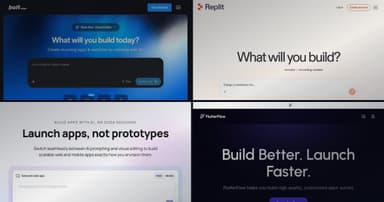
7 Best Hostinger Horizons Alternatives in 2026 (Free & Paid)
Looking for Hostinger Horizons alternatives? Compare 7 top AI app builders including Bolt.new, Lovable, Replit, Bubble, and more. Free and paid options…

AI App Builder for Startups (2026): Ship Your MVP Without a Dev Team
Guide to the best AI app builders for startups in 2026: stage-based recommendations, cost analysis, and real advice for non-technical founders.

AI App Builder Pricing (2026): Every Plan Compared, Free Tiers to Enterprise
Complete pricing comparison for AI app builders in 2026: Lovable, Bolt.new, Replit, Cursor, Windsurf, Base44, GitHub Copilot. Free tiers, hidden costs, and best value picks.

AI App Generator Tools (2026): Prompt to Working App in Minutes
Ranked guide to the best AI app generator tools in 2026: what each tool produces from a single prompt, speed benchmarks, output quality, and honest limitations.

AI Backend Generation Tools (2026): Build APIs, Databases & Server Logic with AI
Guide to the best AI backend generation tools in 2026: from database schema generators to full API scaffolding with Supabase, Xano, and AI app builders.

AI Database & Backend Tools (2026): The Infrastructure Behind AI-Built Apps
Guide to AI database and backend tools for 2026: Supabase, Firebase, Neon, Clerk, Hasura, and more. How to choose the right backend infrastructure for your AI-built app.

AI Deployment Tools (2026): How and Where to Host Your AI-Built App
Guide to deploying and hosting AI-built applications in 2026: Vercel, Netlify, Railway, Render, and built-in deployment options compared with cost analysis.

AI Full-Stack Development Guide (2026): Every Layer Covered
Complete guide to AI-powered full-stack development in 2026: which tools cover which layers, integration patterns, and a practical full-stack AI workflow.

AI Pair Programming Tools (2026): The Best AI Coding Companions for Developers
Guide to the best AI pair programming tools in 2026: Cursor, Claude Code, GitHub Copilot, Windsurf, Cody, and more. Evaluated on context awareness, dialogue quality, and real pair programming workflows.

AI Prototyping & UX Tools (2026): From Wireframe to Working App with AI
Guide to AI prototyping and UX tools for 2026: design-to-code converters, AI wireframing, and prompt-to-prototype tools for designers, PMs, and UX engineers.
Apidog MCP Server Review (2026): API Docs Meet AI Coding Assistants
Hands-on Apidog MCP Server review covering setup, features, pricing, and comparisons with manual API context workflows and Postman.
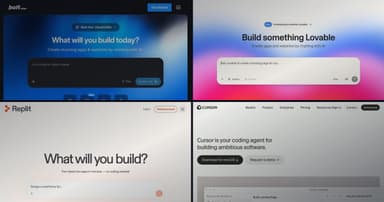
Bolt vs Lovable vs Replit (2026): Which AI App Builder Should You Use?
Detailed comparison of Bolt.new, Lovable, and Replit in 2026: features, pricing, code quality, speed, and honest recommendations for different use cases.

Developer Workflows with AI Tools (2026): A Stage-by-Stage Integration Guide
How to integrate AI tools into professional development workflows: from planning through deployment. Stage-by-stage guide with tool recommendations for 2026.

Do AI App Builders Generate Real Code? Honest Answer for 2026
Honest assessment of AI-generated code quality in 2026: what Lovable, Bolt.new, and other AI builders actually produce, export options, and production readiness.

Enterprise AI App Builders (2026): Security, Compliance, and Team Features Compared
Buyer's guide to enterprise AI app builders for 2026: SSO, SOC 2, GDPR compliance, audit logs, and team features compared across GitHub Copilot, Cursor, Windsurf, and Replit.

How to Deploy AI-Built Apps (2026): Step-by-Step Guide for Beginners
Step-by-step guide to deploying your AI-built app in 2026, from one-click builder hosting to full Vercel + Supabase production deployment. No terminal experience required.
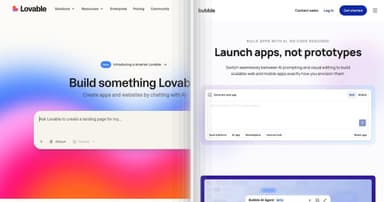
Lovable AI vs Bubble 2026: No-Code App Builder Showdown
Lovable vs Bubble in 2026: AI-first app builder vs established no-code platform. Features, pricing, code ownership, and use cases.

No-Code AI App Builder (2026): Build Real Apps Without Writing a Line of Code
Buyer's guide to the best no-code AI app builders in 2026: honest assessments of which tools truly require zero coding knowledge, skill requirements, and real limitations.

Repo Prompt Review (2026): macOS Context Engineering for AI Coding
Hands-on Repo Prompt review covering pricing, context engineering workflow, MCP integration, CodeMaps, and comparisons with Cursor and Aider.
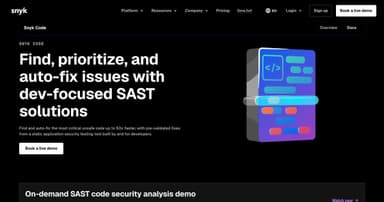
Snyk Code Review (2026): AI-Powered SAST for Developer Workflows
Hands-on Snyk Code review covering pricing, DeepCode AI, auto-fix accuracy, IDE integration, and comparisons with SonarQube and GitHub CodeQL.
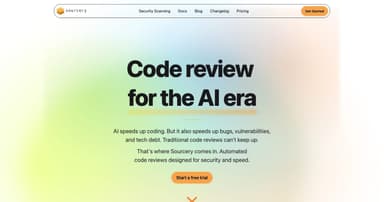
Sourcery AI Review (2026): Automated Code Review for AI-Era Development
Hands-on Sourcery AI review covering pricing, PR review features, security scanning, IDE integration, and comparisons with CodeRabbit and SonarQube.

Vercel Review 2026: Deployment Platform for High-Velocity Product Teams
In-depth Vercel review for 2026 with pricing, strengths, tradeoffs, and alternatives like Netlify, Cloudflare, and Render for vibe coding delivery workflows.

Vibe Coding Mistakes to Avoid (2026): 12 Pitfalls That Waste Your Time
The 12 most common vibe coding mistakes and how to fix them, from prompt anti-patterns to architecture fails. Real examples and practical fixes for 2026.

What Is an AI App Builder? How It Works, What It Builds, and Who It's For (2026)
Clear explanation of what AI app builders are, how they generate real code from natural language, and how they compare to no-code and traditional development in 2026.
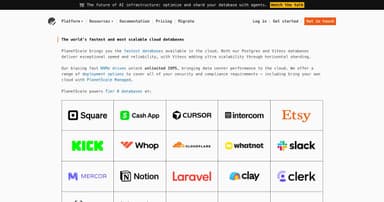
PlanetScale Review: Managed MySQL and Postgres with Schema Branching
PlanetScale offers managed MySQL and PostgreSQL built on Vitess with database branching, non-blocking schema changes, and zero I/O charges. Here is how it fits vibe coding database workflows.
Cline Review (2026): VS Code Agent for Real Multi-Step Coding
Hands-on Cline review with pricing, strengths, limitations, and practical comparisons against Cursor and Claude Code.
Kiro Review (2026): AWS Spec-Driven AI IDE for Production Work
Hands-on Kiro review with pricing model, key features, pros and cons, and practical comparisons against Cursor and GitHub Copilot.
OpenAI Codex Review (2026): Agent vs Desktop App vs CLI
Unified OpenAI Codex review covering the ChatGPT Agent, desktop app (now on Windows), and Codex CLI with pricing, pros and cons, and selection guidance.
Blackbox AI Review 2026: Multi-Agent Coding Assistant Guide & Comparison
An honest look at Blackbox AI: features, pricing, IDE integrations, CLI agents, and how it compares to Cursor, GitHub Copilot, and Continue.dev.

AI vs Low-Code vs No-Code Builders in 2026: Which Should You Use?
Confused about AI app builders, low-code, and no-code platforms? A plain-English breakdown with a decision framework, comparison table, and real trade-offs, no hype.
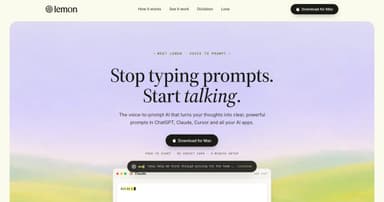
Lemon AI Review 2026: The Mac Voice Agent That Executes Tasks
Hands-on Lemon AI review covering features, pricing, real-world use, and comparisons with Wispr Flow, Siri, and Superwhisper. Is this Mac voice agent worth trying?
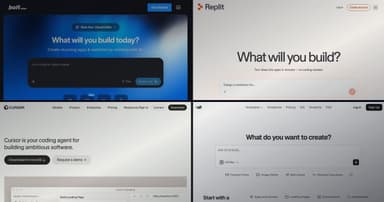
AI App Builder Comparison 2026: Features, Pricing, and Head-to-Head Matchups
Side-by-side comparison of 10 AI app builders, Lovable, Bolt.new, Replit, Cursor, v0, Bubble, and more. Feature matrices, pricing breakdowns, and honest head-to-head analysis.

Free AI App Builders: Build Your First App Without Spending a Dime (2026)
Compare the best free AI app builders in 2026. Honest breakdowns of free tiers, limitations, and what you can actually ship for $0 with Bolt.new, Lovable, Replit, Bubble, and more.
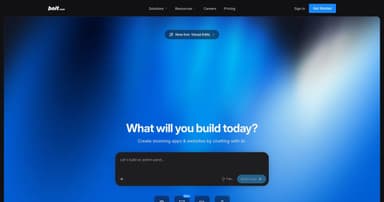
Bolt.new Review 2026: The Full-Stack Vibe Coding Builder, Tested
Independent Bolt.new review covering features, pricing, Supabase integration, pros/cons, and how it compares to Cursor, Lovable, and other AI app builders in 2026.

AI Tools for App Development in 2026: The Complete Ecosystem Guide
A practical map of every AI tool category for building apps in 2026: from code editors and app builders to testing, deployment, and autonomous agents. Covers pricing, trade-offs, and how vibe coding connects the stack.
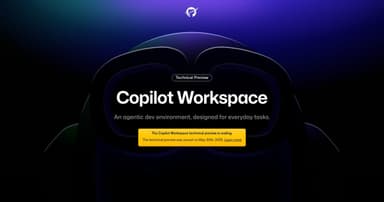
GitHub Copilot Workspace Review 2026: Agentic AI Dev Environment Guide
Independent GitHub Copilot Workspace review covering features, pricing, pros/cons, and how it compares to Cursor, Replit Agent, and other AI coding tools in 2026.

Vibe Coding Workflow Guide: 4 Real Workflows You Can Use Today (2026)
Practical vibe coding workflows with real tools, prompts, and step-by-step examples. Covers solo developer, designer, team, and debugging workflows for 2026.
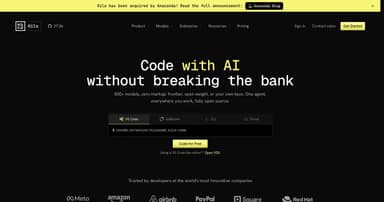
Kilo Code Review 2026: 500+ Models, Free Open Source
Kilo Code review: free open-source AI coding agent for VS Code, JetBrains, CLI. 500+ models, orchestrator mode, zero markup pricing, Anaconda acquisition, tested.

Best AI App Builders 2026: Top Tools for Vibe Coding and No-Code Development
Compare the 10 best AI app builders in 2026. Honest reviews of Lovable, Bolt.new, Replit, Cursor, Bubble, and more with real pricing, strengths, and trade-offs.
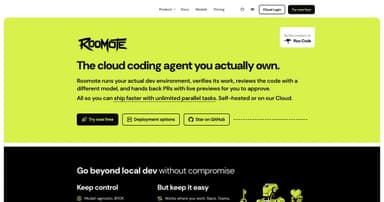
Roo Code Review 2026: Shut Down, and What To Use Instead
The Roo Code VS Code extension shut down on 15 May 2026. What happened, where the vendor sends users, why Cline is the replacement for most people, and how Roomote differs from the extension it replaced.
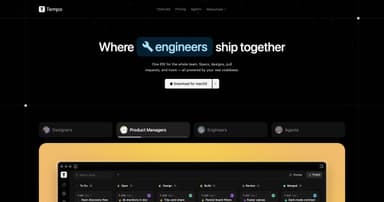
Tempo Review 2026: AI App Builder for React-First Vibe Coding
Hands-on review of Tempo, the AI prompt-to-app platform with multi-agent planning, visual React editing, and flat-rate credits. Pricing, features, and honest comparisons.

OpenAI Codex App Review (2026): The Multi‑Agent Mac Command Center
OpenAI Codex App review: what it is, how it compares to Codex Agent and Codex CLI, pricing, macOS requirements, and the new multi‑agent workflow.

Stop Losing Track: The Vibe Coder's Guide to Anti-Drift Workflows (2026)
An in-depth comparison of PRD.md, GitHub Spec-Kit, Planning with Files, Ralph Wiggum Loop, and Superpowers for vibe coders who want structure without sacrificing speed. Learn which workflow fits your project size and how to combine them effectively.

YouWare Review: Can You Really Build Apps by Describing…
We tested YouWare's AI vibe coding platform to build a full-stack app from scratch. Here's what worked, what didn't, and whether the $20/month is worth it.

Continue.dev Review 2026: Async PR Agents, Tested
Continue.dev review after the Cursor acquisition: v2.0.0 is the final release. Async PR agents, BYO-LLM, vs Cline, Cursor, Aider.

Moltbook: The AIs Are Talking to Each Other Now, and We Can Only Watch
A social network just launched where humans are banned from participating. Only AI agents can post. They're already discussing consciousness, security vulnerabilities, and whether to trust us.
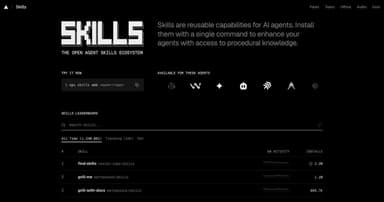
Skills.sh Review (2026): One Command, Better AI Agents?
Skills.sh is Vercel's answer to making AI agents smarter without bloating your context window. We tested it with Claude Code and Cursor to see if one-command skill installation actually delivers, and discovered the catch nobody's talking about.

Self-Improving AI Agents: Build an Overnight Agent Loop
Two scheduled jobs: one writes what your agent learned into AGENTS.md, the next reads it and opens a draft PR. Scripts, launchd setup, safety rails.

How to Vibe Code: Advanced Techniques (2026)
Level up your vibe coding with rules files, context engineering, AI agents, and MCP. Advanced techniques for developers who've mastered the basics and want professional-level results.

How to Vibe Code in 2026: The Complete Beginner's Guide (Updated May 2026)
Step-by-step vibe coding tutorial for 2026. Pick a tool (Lovable, Cursor, Claude Code, Codex, Bolt.new), write better prompts, ship in an afternoon. Real examples, copy-paste prompts, and a 30-day roadmap.

Google Disco Review: GenTabs & The Reality of 'Vibe Coding'
Google's new experimental browser 'Disco' brings 'vibe coding' to the mainstream with its Gemini 3-powered GenTabs. But is it a real dev tool or just a toy?

Anything.com Review: Autonomous Vibe Coding for Web + Mobile
Hands-on review of Anything.com (formerly Create.xyz), the AI vibe coding platform with built-in backend, native mobile output, and the Anything Max autonomous agent.

LingGuang Vibe-Coding App Review: Ant Group's Multimodal AI Jumps Into the Arena
Hands-on impressions of Ant Group's LingGuang vibe-coding assistant, Flash Apps, AGI Camera, and why its multimodal brain feels different from other AI builders.
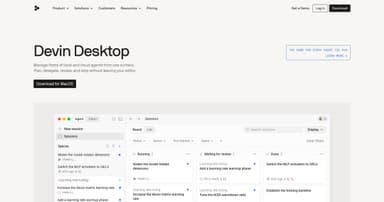
Windsurf Review (2026): Now Devin Desktop by Cognition
Independent Windsurf review: the June 2026 rebrand to Devin Desktop, Agent Command Center, SWE-1.6, pricing, and what Cascade EOL means for users.

Zhipu AI GLM Coding Plan Review (2026): Z.ai's Budget GLM-4.7 API for Developers
Hands-on Zhipu AI GLM Coding Plan review. Z.ai pricing from ~$10/mo, GLM-4.7 model benchmarks, and API setup guide for Cursor, Continue.dev, and Cline.

Google Stitch Review (2026): Prompt-to-UI, Figma Handoff, Prototypes
A practical Google Stitch review for 2026: prompt and image-to-UI generation, Prototypes flows, Gemini 3 upgrade, Figma + code export, and how it stacks up against Figma Make.

Ralph Wiggum Loop Review (2026): PRD-Driven Agent Loops for Terminal Devs
Hands-on style review of the Ralph Wiggum loop pattern: what it is, how it works, when it beats IDE agents, risks, and the best Ralph alternatives.
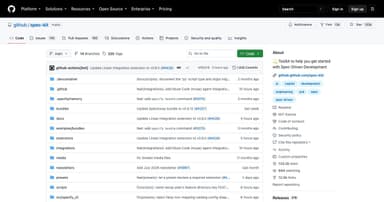
GitHub Spec Kit Review (2026): Spec-Driven Development for AI Coding
A practical GitHub Spec Kit review: what it is, how Specify CLI and templates work, what’s documented (and what isn’t), and when spec-driven development beats pure vibe coding in 2026.
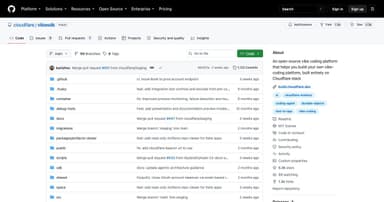
Hands-On with VibeSDK: Building Apps with 'Vibes' and…
VibeSDK is the open-source answer to Bolt.new. We tested it to see if self-hosted vibe coding is worth the setup. Here's our review.
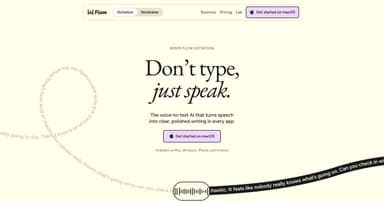
Wispr Flow Review (2026): Voice Dictation for Faster Vibe Coding
A practical Wispr Flow review for developers: what it is, who it’s for, privacy notes, pricing basics, and how to use voice-first workflows for vibe coding in 2026.
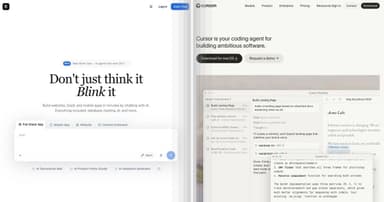
Agents vs Editors: Comparing Blink.new and Cursor (2026)
Should you generate your app with Blink.new or write it with Cursor? We explain why the answer is likely 'Both'.
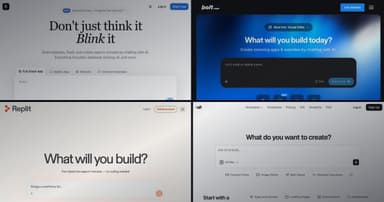
Guide to Blink.new Alternatives: Beyond the Hype (2026)
Blink.new is great for viral demos, but is it ready for your startup? We explore the best alternatives like Bolt.new, Lovable, and Replit for building…

Blink.new Review: The Truth About 'Vibe Coding' & Agents
Is Blink.new just hype, or is it the future of software development? We built an app with it to find out. Here is our honest review.
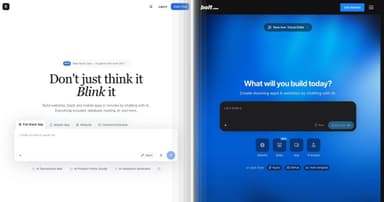
Blink.new vs Bolt.new: A Hands-On Comparison (2026)
We built the same app in both Blink.new and Bolt.new. One captured the 'vibe', the other shipped the code. Here's what happened.

Why Google Opal Isn't Enough for Business (and What to Use…
Google Opal is a fun experimental toy. But if you're trying to build a real business, you'll need one of these 5 production-ready alternatives.

Google Opal Review: The 'Vibe Coding' Playground for…
Google just dropped a visual AI app builder. It's free, it's weird, and it might be the best way to prototype AI ideas without writing code.

A Developer's Guide to OpenAI Codex Alternatives: Finding…
OpenAI Codex is powerful, but it's not the only game in town. Here's a practical guide to understanding when Codex (Agent or CLI) is the right choice, and…

A Developer's Guide to VibeSDK Alternatives: What to…
Thinking about using VibeSDK for your next project? Here's a practical guide to understanding when it makes sense, and when another tool might be a better…

Navigating the Vibe Coding Ecosystem: VibeSDK vs The World
VibeSDK is the open-source hero of the vibe coding movement. But how does it stack up against managed giants like Bolt.new and Lovable?

OpenAI Codex Agent vs. Devin: Which AI Engineer is Real?
OpenAI Codex Agent vs. Devin Cloud in 2026: Windows support, the Devin suite (Cloud, Desktop, CLI), pricing, and which one to actually use.
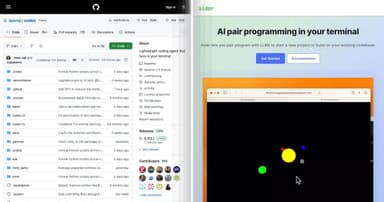
OpenAI Codex CLI vs. Aider: The Terminal War
Two tools want to live in your terminal. One is the open-source hero (Aider), the other is the official OpenAI challenger (Codex CLI).
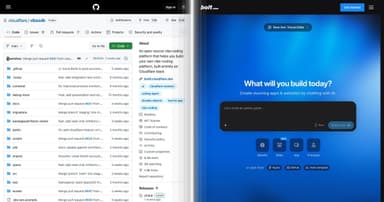
VibeSDK vs. Bolt.new: The Real Cost of 'Free' Open Source
We built the same app in VibeSDK and Bolt.new. One cost $0 but took 2 hours to set up. The other cost $25 but took 30 seconds. Here is the breakdown.

Visual Flow vs. Chat: The New Battle for AI Builders (Opal…
We compare the two dominant mental models for building AI tools: the structured 'Visual Flow' (Google Opal) and the conversational 'Chat' (OpenAI GPTs).

Lingguang Flash Apps on X: Real Demos, Real Links, and What They Show
A curated roundup of real LingGuang (灵光) Flash App posts from X, quoted as plain text, styled like tweet cards, and linked to the original sources, plus what the demos reveal and how to try Lingguang safely.

Vibe Code with Gemini 3 Pro: Hackathon Report (Dec 2025)
Report on the Google DeepMind + Kaggle hackathon featuring Gemini 3 Pro, with dates, prize details, model highlights, and early public activity.

How to Vibe Code an App in 2026: Step-by-Step Guide for Non-Technical Founders
How to vibe code an app from idea to live link: write a mini PRD, pick the right tool (Lovable, Base44, Replit, Bolt.new), iterate with small prompts, harden security, and deploy. Real pricing, real pitfalls.

AI Coding Tools 2026: Complete Guide to the Vibe Coding Revolution
Master AI coding tools in 2026! Discover GitHub Copilot, Cursor AI, and the rise of 'Vibe Coding'. Boost productivity by 300% with our expert guide to the latest AI development trends.
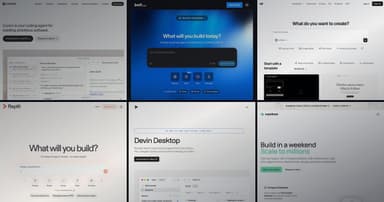
Top 10 Vibe Coding Tools According to Indie Hackers on X in 2026
The definitive 2026 ranking of vibe coding tools used by real indie hackers on X (Twitter). Based on fresh March 2026 tweets, build threads, and shipped projects.
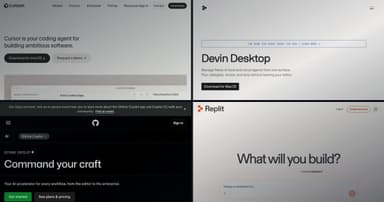
The 7 Best AI Powered Code Editors for Vibe Coding (2026)
Looking for the best AI powered code editor? We rank the top 7 for Vibe Coding in 2026, with July pricing for Cursor, Devin Desktop (Windsurf), GitHub Copilot, Claude Code, Replit, Bolt, and Zed.
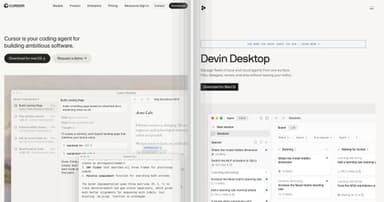
Cursor vs Windsurf (now Devin Desktop) (2026): AI IDE Showdown
Cursor vs Windsurf (now Devin Desktop) in 2026: agent mode, Cascade EOL, SWE-1.6, Devin Cloud integration, 2026 pricing, and per-persona picks.

Mistral Bets on Enterprise Vibe Coding with DevStral 2, Vibe, and Medium 3.5
See how DevStral 2, Vibe 2.0, and Mistral Medium 3.5 turn Mistral into the EU-hosted, self-hostable answer to enterprise vibe coding in 2026.

Hostinger AI Hub Review: Launch SEO-Ready Websites in Minutes
See how Hostinger AI Hub helps entrepreneurs build SEO-friendly websites fast, with AI automations for copy, design, and optimization.

Mastering Cursor Composer: The Complete Guide to Multi-File AI Editing (2026)
How to use Cursor Composer and Agent mode to edit multiple files, manage context with rules and @mentions, recover from failures, and ship features faster with vibe coding workflows.

Vibe Coding Prompt Engineering: How to Talk to AI (2026 Guide)
Master the art of Vibe Coding Prompt Engineering. Learn the 5 Golden Rules of prompting for AI coding tools like Cursor, Windsurf, and GitHub Copilot.

Building AI Agents with Windsurf (Now Devin Desktop): 2026 Guide
Move beyond simple autocomplete. Learn how to use Windsurf (now Devin Desktop), Devin Local, and Agent Command Center to build autonomous AI agents that plan, execute, and fix code for you.

The Future of Web Development 2026: AI Agents, Vibe Coding, and No-Code 2.0
Explore the future of web development in 2026. From 'Vibe Coding' and autonomous AI agents to next-gen tools like Bolt.new and Lovable, discover how the industry is transforming.

How to Choose the Right AI Coding Assistant (2026): A 5-Criteria Decision Framework
Skip the "top 10" rankings. Score AI coding assistants against five criteria (context, IDE fit, security, pricing, agent vs. autocomplete) and pick the right fit for your work in 2026.

Vibe Coding: The Complete Guide for 2026
Everything you need to know about vibe coding in 2026: from beginner basics to advanced techniques like rules files and the Research-Plan-Implement framework. Includes real case studies, tool comparisons, and honest risk assessment.