
Guide
Mar 18, 2026
Guide
Best Vibe & No-Code AI App Builders (2026)
Discover the top AI-powered no-code app builders that turn natural language into production-ready software in 2026. Compare Lovable, Bolt.new, A0.dev, Canva Code, and more.
Vibe coding and no-code builders use AI to turn natural language descriptions, screenshots, or sketches into fully functional web and mobile applications; no programming knowledge required.


The barrier to entry for building software has never been lower. In 2026, vibe and no-code builders have doubled in size and capability, transforming text prompts, screenshots, and sketches into fully functional applications. From browser-based builders like Lovable and Bolt.new, to mobile-native tools like A0.dev, to Google's new entries (Disco, Opal, Stitch), this category offers an AI builder for every creator. Whether you're a startup founder, marketer, designer, or developer in a hurry, you'll find the right tool below.
Category pages map the full market. If you want a curated shortlist with ranked picks, read Best Vibe & No-Code Builders.
Discover the top AI-powered no-code app builders that turn natural language into production-ready software in 2026. Compare Lovable, Bolt.new, A0.dev, Canva Code, and more.
<strong>Lovable</strong> is the overall leader for prompt-to-app with stunning UI output and Supabase integration. <strong>Bolt.new</strong> is the fastest for prototyping, browser-based, 28 minutes to working prototype in benchmarks. <strong>A0.dev</strong> is the breakout mobile builder, generating production-quality React Native apps. <strong>Canva Code</strong> brings design-first building to Canva's massive user base. <strong>Google Disco</strong> enters with Gemini 3 power. For open-source control, <strong>VibeSDK</strong> and <strong>bolt.diy</strong> let you self-host. The community consensus: prototype fast in Lovable or Bolt.new, then graduate to <a href="/tools/cursor">Cursor</a> for production.
Not all AI builders work the same way. Understanding the different approaches helps you pick the right tool for your project, and avoid the frustration of hitting a wall halfway through.
These are the "magic" tools. You describe what you want in plain English, and they generate a full-stack application, frontend, backend, database, and authentication. Lovable produces the most polished UI and integrates tightly with Supabase. Bolt.new is the fastest, 28 minutes to a working prototype in benchmark tests. Base44 focuses on speed and simplicity for internal tools.
Best for: Non-technical founders validating MVPs, marketers building lead magnets, and developers who want to skip boilerplate scaffolding.
Building for iOS and Android is a different challenge. A0.dev is the breakout star of 2026: it generates production-quality React Native code from natural language. Anything.com handles both web and native mobile development. Rork focuses specifically on mobile app constraints.
Best for: Anyone who needs an App Store or Play Store listing without learning Swift, Kotlin, or Flutter.
If you think visually, these tools start from design rather than text. Canva Code lets Canva's massive design community generate interactive web apps directly from Canva's editor. v0 by Vercel generates beautiful shadcn/ui components from descriptions: the highest code quality in the category. Tempo focuses on visual React development.
Best for: Designers, agencies, and teams where the visual output matters as much as the code.
Google has entered the vibe coding space with multiple tools. Google Disco is the most mature: a Gemini 3-powered app builder with Google Cloud integration. Google Opal focuses on mobile-first building. Google Stitch converts designs to code. All are early but backed by Google's AI muscle.
VibeSDK and bolt.diy give you the AI building experience without vendor lock-in. Self-hosted, open-source, and fully under your control. The tradeoff is more setup work, but you own the entire stack.
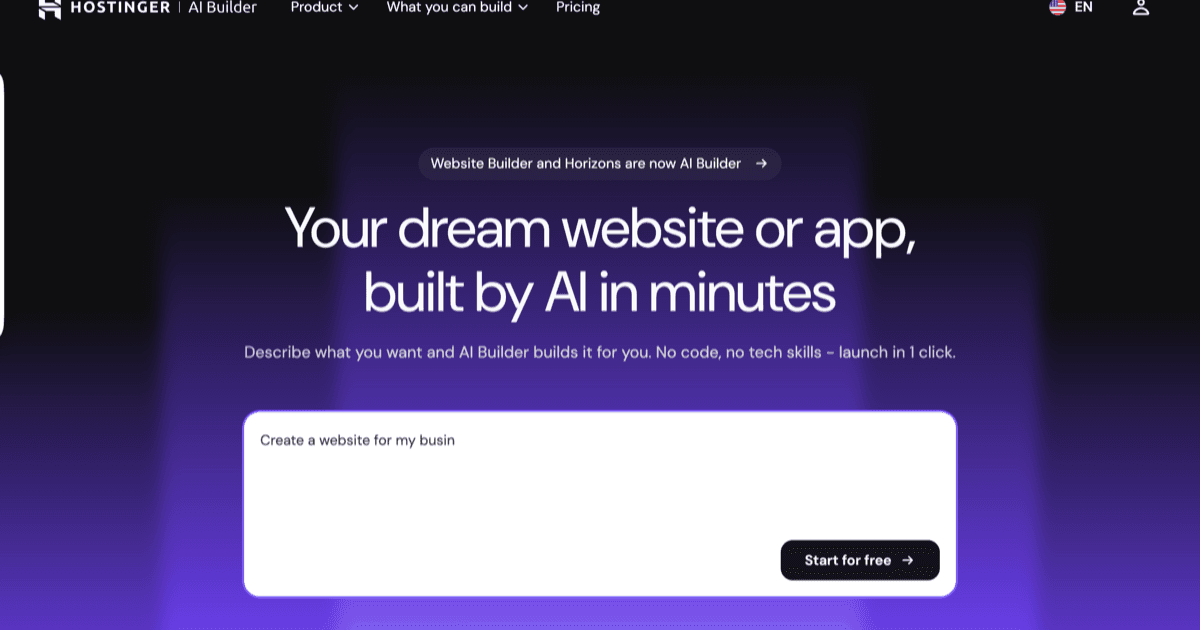 featured
AI platform that turns natural-language prompts into working websites and web apps, with hosting, SSL, CDN, custom domains and one-click publishing included. On 18 August 2026 Hostinger merged Horizons and its Website Builder into this single product: the conversational Horizons experience is now agentic mode, and the drag-and-drop builder is manual mode. Existing Horizons projects continue to work. Ships an integrated backend with databases, user accounts and file storage, plus Stripe e-commerce and built-in AI features that need no external API keys.
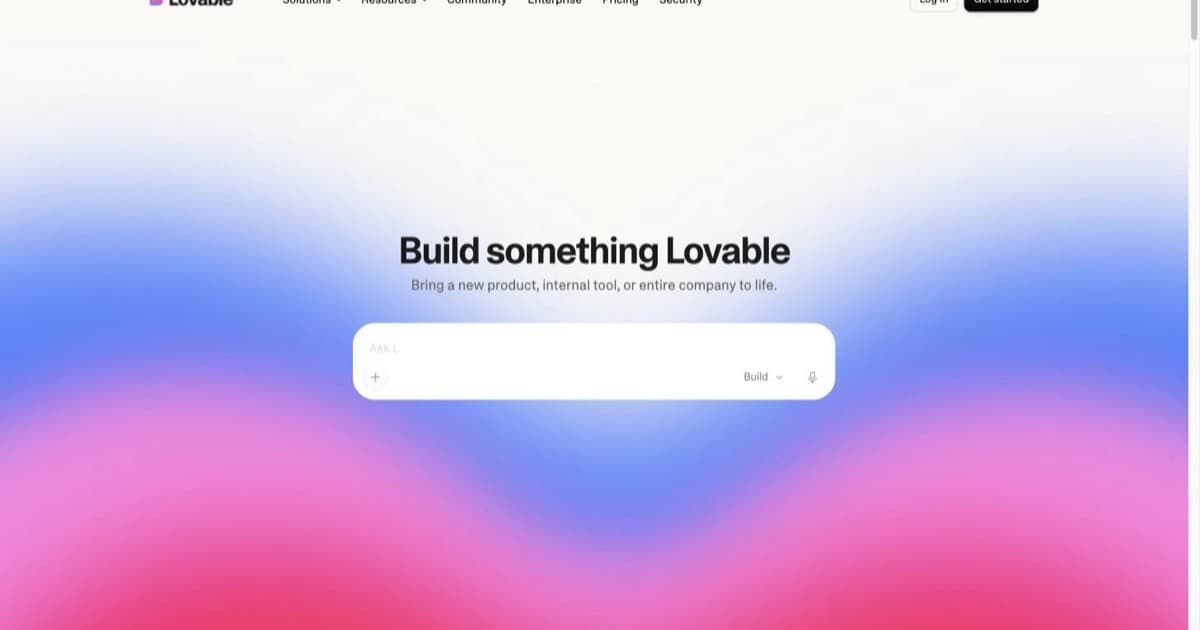 featured
Prompt-first platform to build and iterate full-stack web apps through chat, producing real React/TypeScript/Tailwind code. Lovable adds Lovable Cloud (built-in backend with auth and data persistence), real-time collaboration with unlimited collaborators, agentic mode for multi-step autonomous edits, parallel AI subagents (May 2026) that research, review, and synthesise while the main agent keeps building, AI connectors (Perplexity, ElevenLabs, Firecrawl, Miro), visual CSS editing, themes, built-in analytics, and domain purchasing. Targets non-developers, designers, indie hackers, and agencies who want speed for prototypes, MVPs, and small production apps.
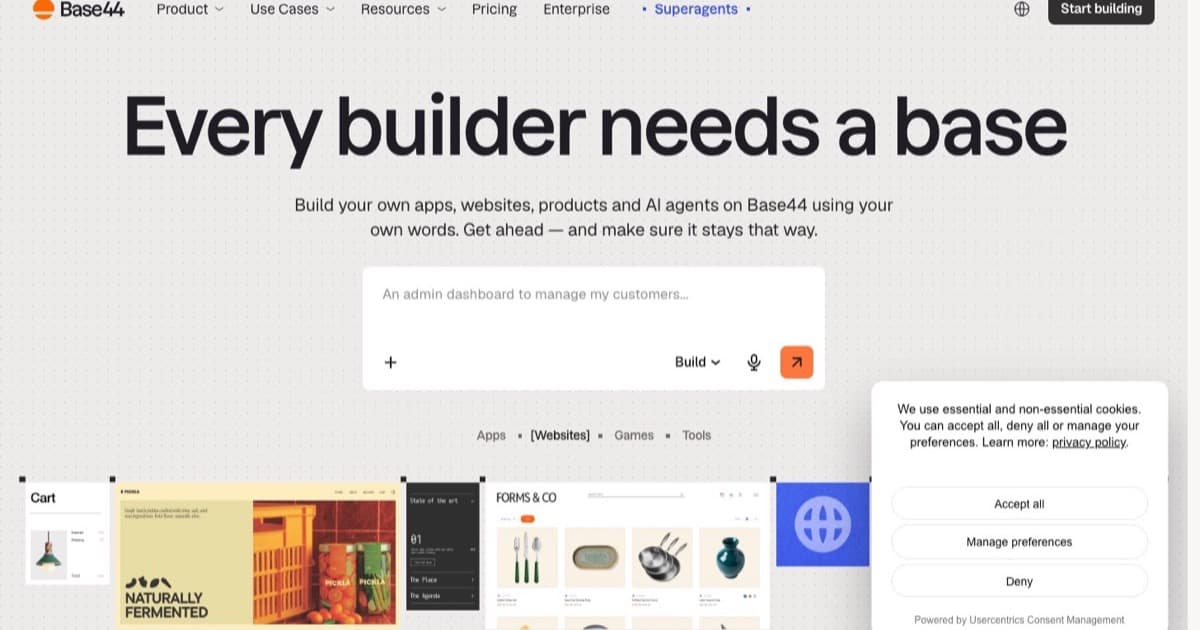 featured
Pure natural-language AI app builder that generates a complete app, backend, database, auth, hosting, and integrations, from a single prompt. Ranked #1 in multiple 2025-2026 vibe-coding roundups for its end-to-end automation and beginner friendliness. Acquired by Wix in 2025 in a solo-founder $80M exit, and still shipping (Base 1 model, Superagents, GitHub sync).
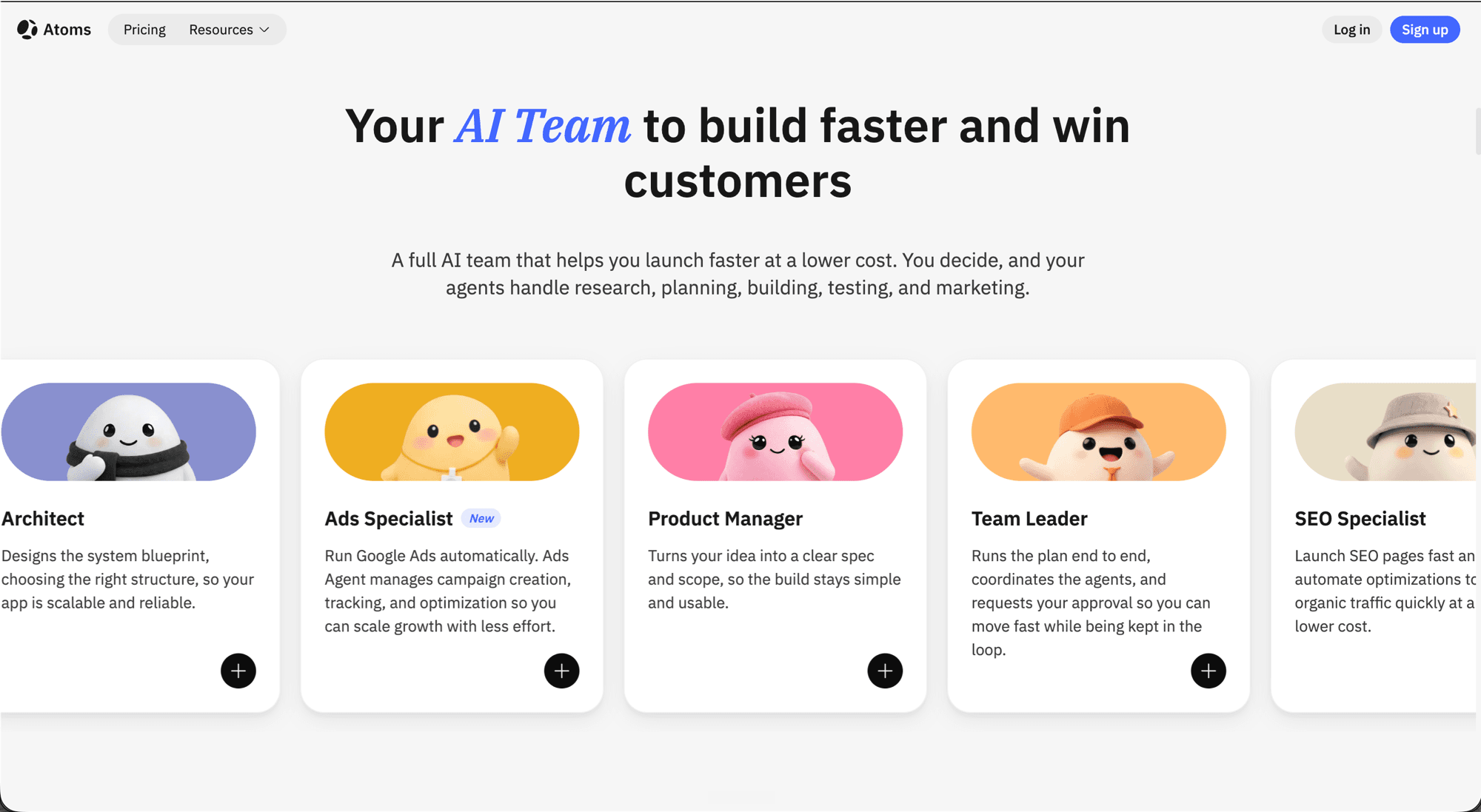 featured
AI employees that validate ideas, build products, and acquire customers in minutes, without coding. A multi-agent crew runs research, planning, full-stack build (frontend, backend, database, auth, Stripe), deployment via Atoms Cloud, and post-launch growth with built-in SEO and ads agents. Designed for founders who want a faster path from idea to a launchable product, not just another prototype generator.


Flatlogic Generator, renamed AppWizzy: an AI builder for business apps such as CRMs, ERPs and admin panels that hands you the full source code to host and extend yourself.


Agentic app builder that turns a conversation into a deployed React, TypeScript and Tailwind app with auth, database, payments and free hosting on kliv.site included on every plan.


AI app builder with two modes: Vibe Coding for fast iteration and Spec Coding that writes the brief and user stories first. Ships web and native mobile apps, exports the full codebase, and has a desktop app that runs on your own Claude, GPT or Gemini subscription.


Prompt-to-project builder that outputs web, Expo mobile, desktop, Python or Node backends, CLIs and packages, with a built-in Postgres, agent teams, 130+ MCP integrations and code synced to your own Google Drive.
Looking for the open-source agent sandbox on GitHub? That is a different product: see VibeKit by Superagent at /tools/vibekit. This page covers vibekit.bot. Mobile-first AI app builder where every app you create gets its own persistent AI agent, a real GitHub repo under your account, and a live URL at yourapp.vibekit.bot. Describe what you want and the agent builds it, deploys it to a managed container, then keeps working: health checks every 60 seconds, auto-diagnosis and redeploy when something breaks, and AI QA that browses the live app and files bug reports. The agent runs server-side, so the iOS app is a remote control rather than the thing doing the work, and closing your phone does not stop a run. Drive it from the iOS app, the web dashboard, a CLI, a REST API, or an MCP server. Pricing is BYOK-first: connect your own Anthropic or OpenAI key and the agent bills that provider at standard rates with no platform margin. Without a key, requests route through OpenRouter against a credit balance at a platform markup the privacy policy puts at 20 percent, with OpenRouter's data-discount setting enabled on that path only; a free model option keeps building at $0, and the free tier runs $0.50 a session past its first ten. Built and run by one person, Brian Boisjoli, and actively shipping. There is no enterprise tier, no published SOC 2 or SSO, and no Android app.
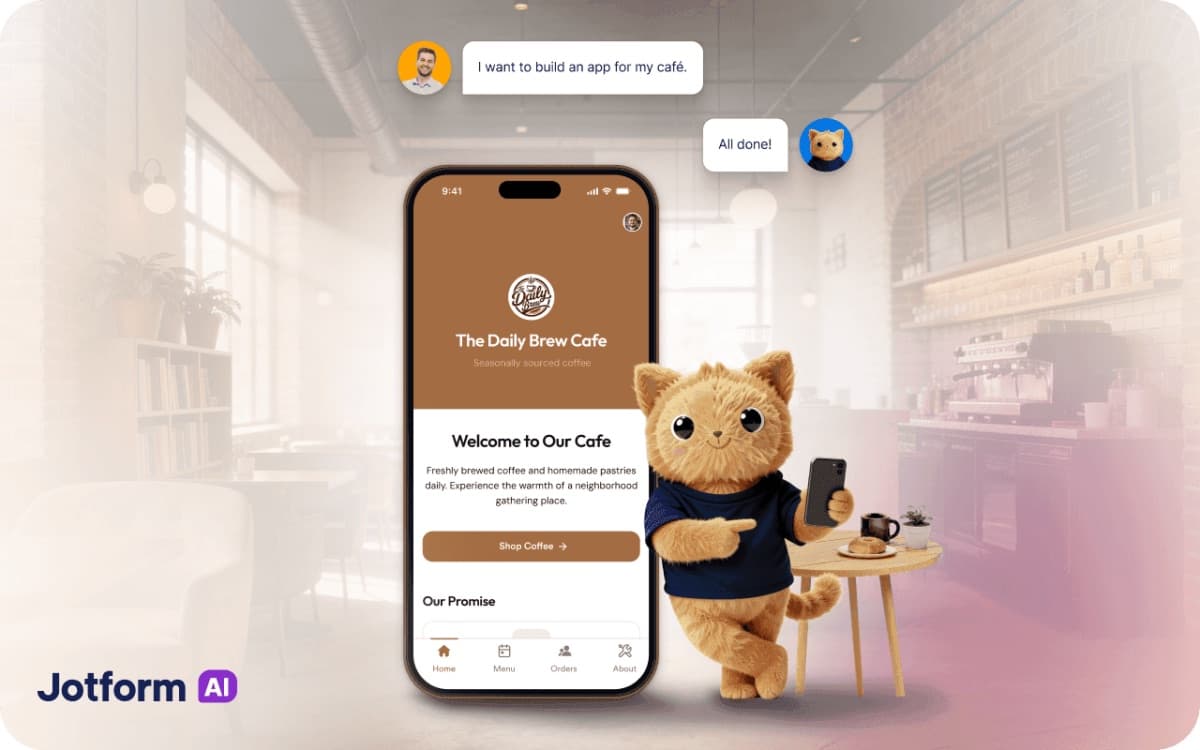
No-code AI app builder from Jotform that turns a prompt, file, URL, screenshot, or voice note into a working web and mobile app with pages, navigation, forms, workflows, and dashboards. Built on Jotform's form and data components, so it is strongest for form-heavy internal tools, client portals, and data-driven apps. Free to use, with form, submission, and user limits set by your underlying Jotform plan.
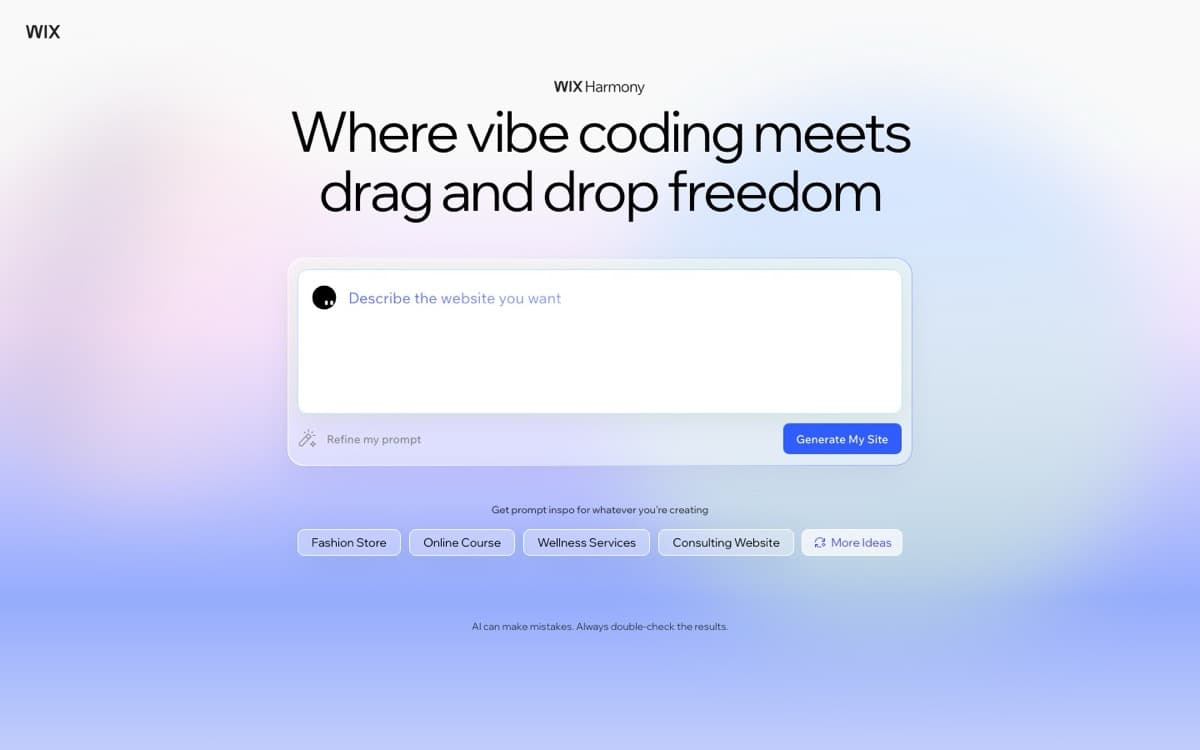
Wix's hybrid editor that pairs the Aria AI agent with traditional drag-and-drop. Describe a site in natural language, get a working layout, then refine pixel-by-pixel on a responsive canvas. Sites run on Wix's managed infrastructure (multi-cloud hosting, technical SEO, accessibility tooling).
Anthropic Labs' conversational design studio inside Claude. Powered by Claude Opus 4.7, it turns natural-language prompts into interactive prototypes, slides, one-pagers, and polished visuals. Ingests your GitHub repo to extract the project's design system, then hands off a structured implementation bundle to Claude Code for production code. In research preview for Pro, Max, Team, and Enterprise users at claude.ai/design.


Experimental Google Labs tool that turns prompts and images into UI designs, supports fast iteration with variants, and offers handoff via Paste to Figma plus front-end code export.


Low-code platform for building internal tools, admin panels, and dashboards. Retool combines 90+ drag-and-drop UI components with JavaScript extensibility and AI app generation to connect any database or API.
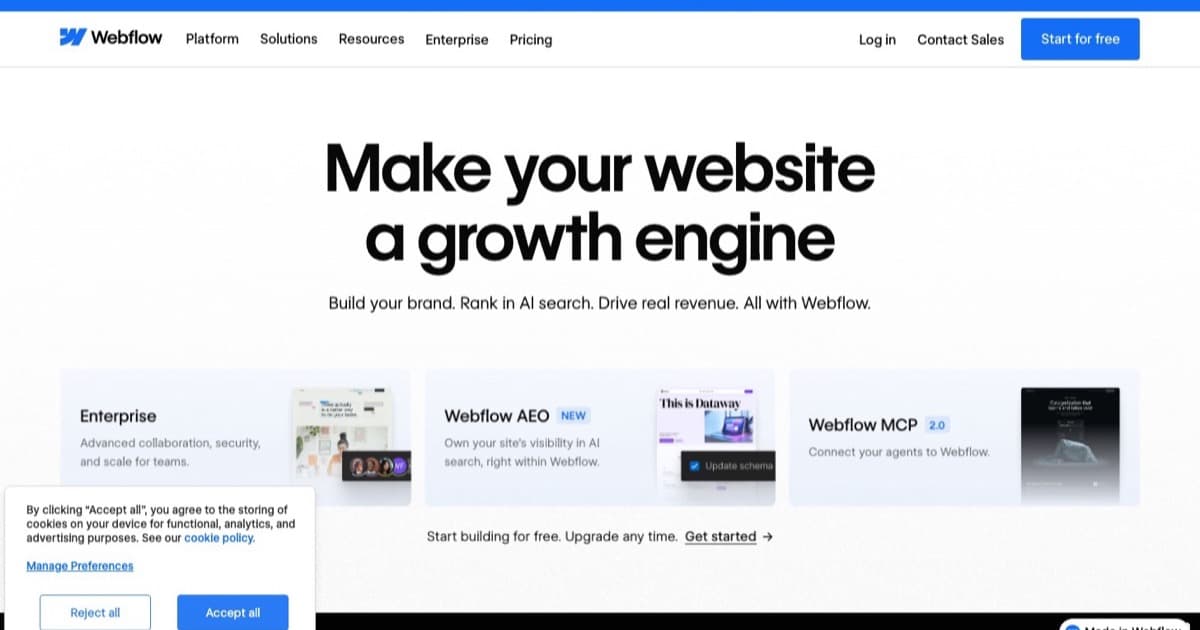
Professional no-code website builder and CMS with pixel-perfect design control. Webflow AI generates layouts and copy, while the visual canvas produces clean semantic HTML and CSS; no templates required.
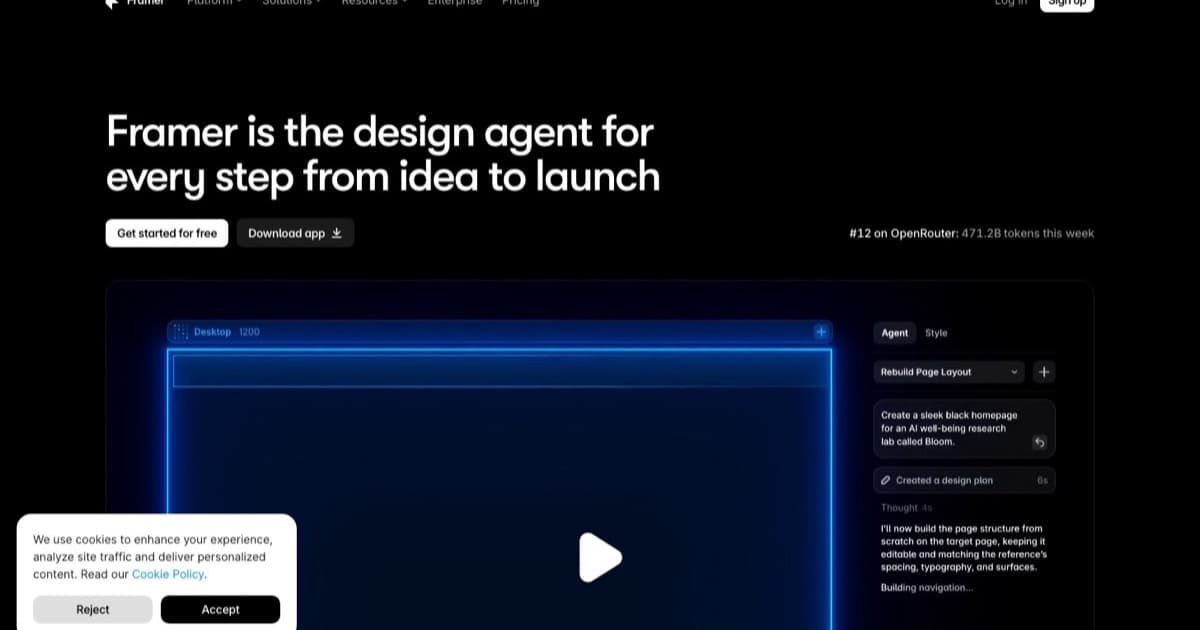
Design-to-website platform with an AI assistant that generates full sites from a prompt, lets you edit visually, and publishes instantly. Beloved by designers and marketers for pixel-perfect, interactive websites without writing code.
Y Combinator-backed AI platform that generates complete React Native apps from text descriptions. Ship to App Store and Google Play with one click: the world's fastest iOS build process.
Canva Code is Canva's AI-powered code generator that transforms text prompts into interactive HTML/CSS/JavaScript widgets directly within the Canva design platform. Launched in partnership with Anthropic, it lets designers, marketers, and non-developers add calculators, timers, quizzes, and mini-apps to presentations, docs, and websites; no coding required.
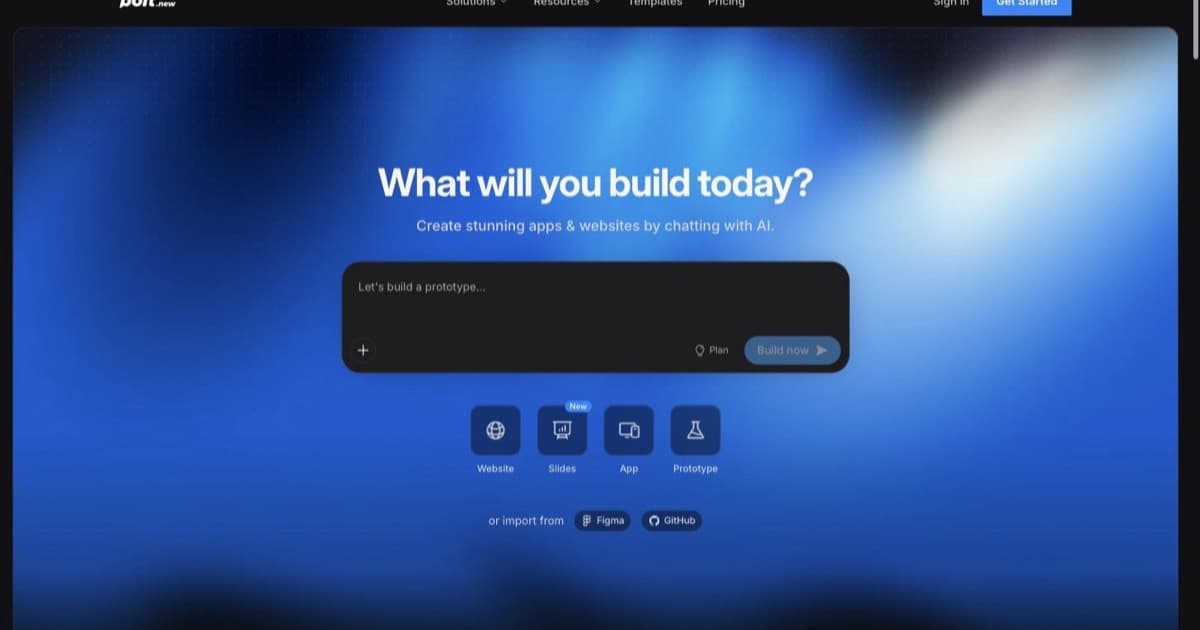
AI-powered, browser-based full-stack app builder that turns natural language prompts into working applications. Built on StackBlitz WebContainers with Supabase integration, Figma/GitHub imports, and one-click deployment; no local setup required.
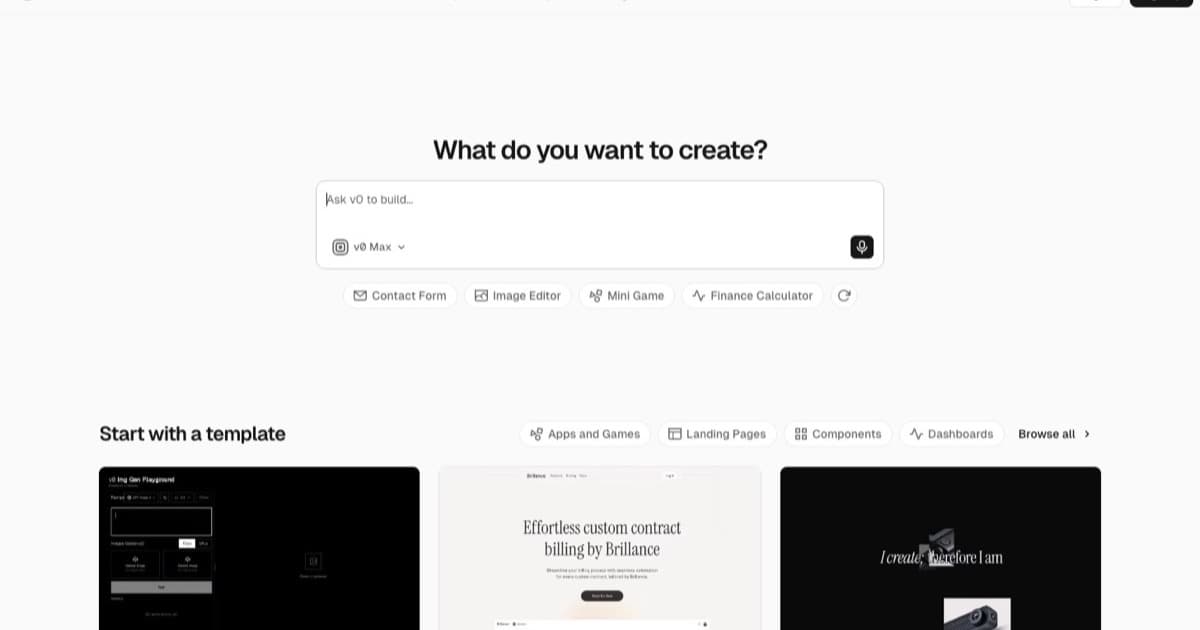
AI-powered design-to-code tool from Vercel. Focuses on generating beautiful UIs and frontend components. Works with Figma imports and allows element-level editing. Best for UI-first web projects.


The 'world's first vibe coding platform' that builds full-stack apps and agents from natural language prompts. Excellent for MVPs and non-technical founders.

AI-powered vibe coding platform (formerly Create.xyz) that turns natural language prompts into production-ready web and native mobile apps with built-in backend services.
AI-powered prompt-to-app platform that turns natural language into full-stack React applications with visual editing, multi-agent planning, and one-click deploys.
Open-source AI "vibe coding" platform built on Cloudflare. Generate full-stack apps from prompts, sandboxed in WebContainers, and deploy instantly to Workers. The self-hosted alternative to Bolt.new.
Full-stack no-code platform for building and scaling web apps with a visual editor and optional AI features.
AI-based builder for creating full-stack web applications by describing your project.

Google's experimental no-code tool that turns natural language into multi-step AI workflows. Think 'Zapier meets Gemini' but with a visual canvas.
AI tool that builds cross-platform native mobile apps (React Native) from your descriptions.
Personal AI engineer for non-coders to build apps, websites, and games using natural language.


Google's experimental AI browser that turns open tabs into ephemeral apps. Uses Gemini 3 to create checklists, planners, and comparison tables instantly.
Desktop-based builder for creating internal tools and projects locally using natural language.
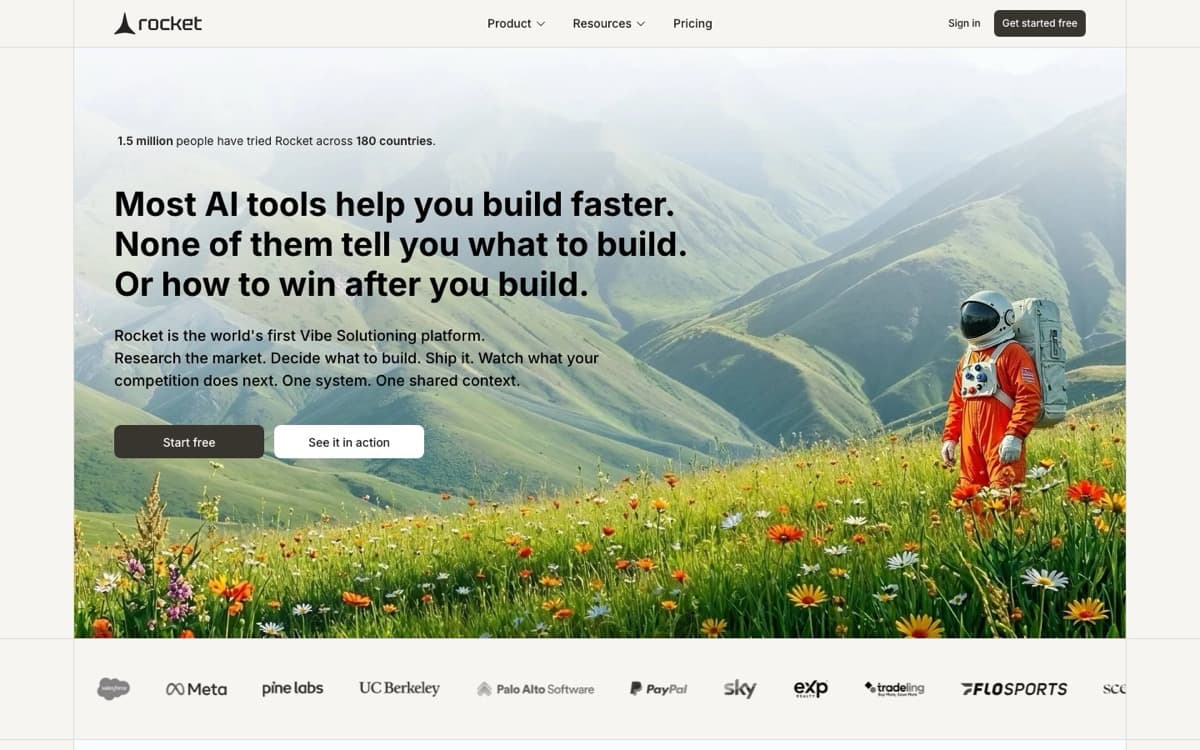
AI platform that generates web and mobile apps from natural language prompts or Figma designs.
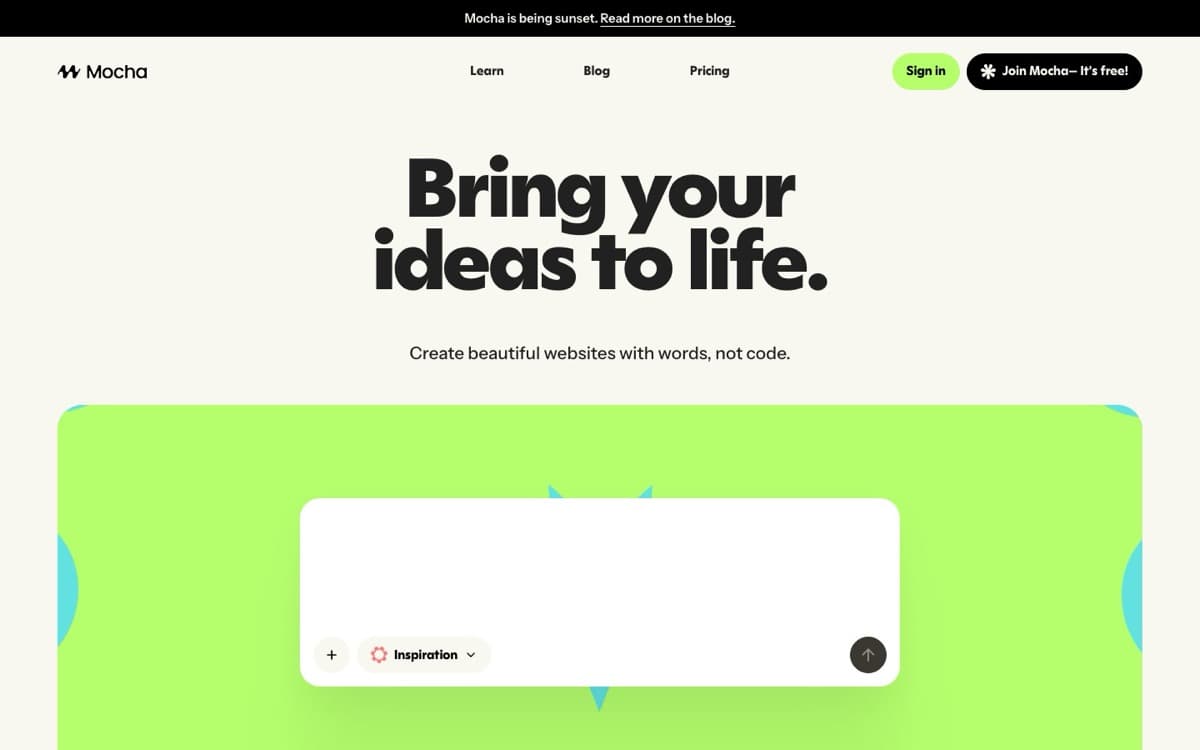
No-code builder that turns plain English ideas into apps with built-in databases and authentication.
AI app generator that can interpret text (and sometimes images/sketches) to produce full-stack apps.
AI builder that creates native mobile apps including backend and authentication from prompts.


AI-powered vibe coding platform that turns natural language prompts into full-stack websites and apps. Features YouBase integrated backend, model switching between GPT-5-Codex and Claude 4.5 Sonnet, and one-click publishing to web and app stores.
Hands-on Base44 review: verified pricing from $16/mo, Superagents, the Base 1 model, credit limits, security after the Wix deal, and how it compares to Lovable and Bolt.
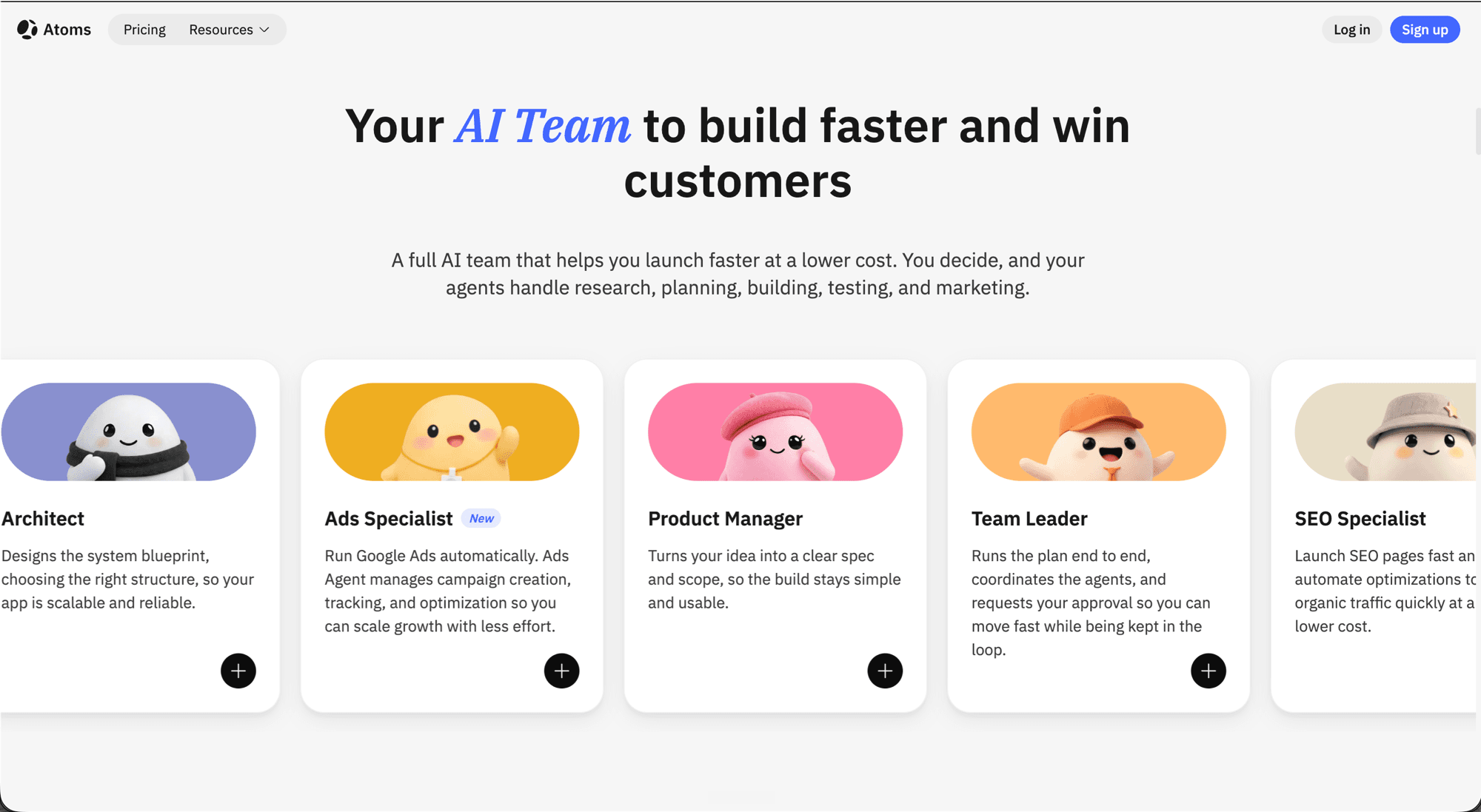
Atoms (atoms.dev) review: multi-agent AI team, pricing, Race Mode, and where it beats Lovable, Bolt, and Base44.
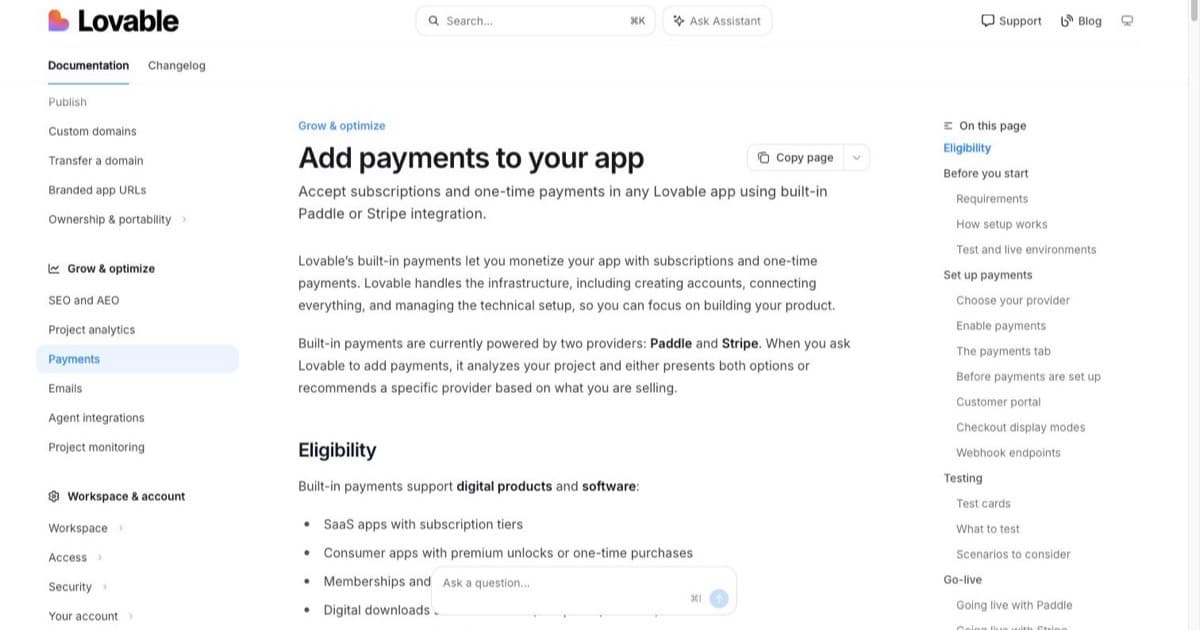
A working plan for building a store with Lovable: the digital-product build that genuinely fits (catalog, Supabase, Stripe checkout), the prompts per stage, and where physical-inventory commerce outgrows a vibe-coded stack.
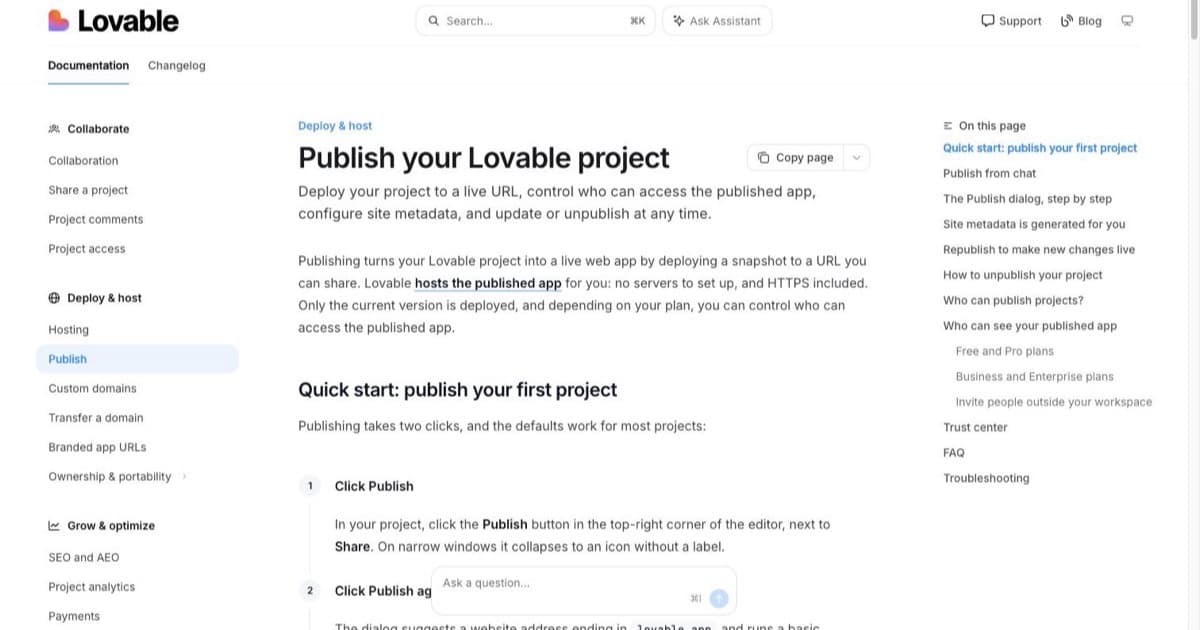
Lovable generates React web apps, not native binaries. What that means for the App Store, when a responsive web app or PWA is genuinely enough, and the four realistic paths from a Lovable build to phones.
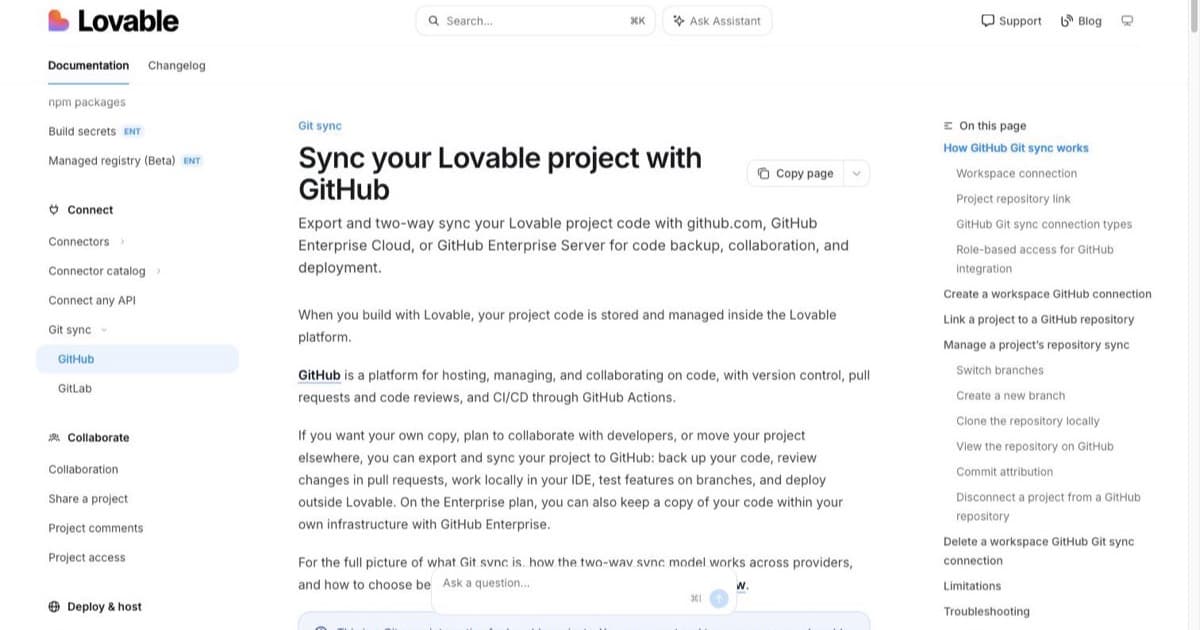
How to connect Lovable's GitHub sync, what actually lands in the repo, where secrets and database data do NOT go, and the prove-it checklist that confirms the code runs without Lovable.
A triage order for broken Lovable apps: status pages first, then the exact error, then the fix prompt. Covers blank screens, auth that dies in production, RLS permission errors, and when to stop prompting and open the code.
"Vibe coding" isn't just a buzzword: it represents a fundamental shift in who can build software. The term describes a workflow where you focus on what you want (the "vibe") and the AI handles how to build it. In 2026, this has moved from novelty to mainstream: Lovable hit $100M ARR in 8 months, and Google, Canva, and Hostinger have all entered the space.
The key difference from old-school no-code is that modern tools generate real, exportable code. You're not locked into a proprietary platform forever; you can start in Lovable, export to GitHub, and continue development in Cursor when the project outgrows the builder. This "graduate workflow" is the most recommended approach across developer communities.
Every benchmark study reaches the same conclusion: AI builders are fast but imperfect. Bolt.new produces working prototypes in 28 minutes. Lovable takes 35 minutes but with higher UI polish. However, code quality degrades over time: the 50th prompt produces worse code than the 5th. For anything you'll maintain long-term, plan to either rebuild or have a developer review the codebase.
Most tools offer free tiers for experimentation. Lovable starts at $20/month (credit-based). Bolt.new is similar at ~$20/month (token-based, often better value for heavy usage). v0 starts at $20/month. Canva Code is included in Canva Pro. VibeSDK and bolt.diy are free and open-source.
For heavy usage, Bolt.new's token-based model typically offers better value than credit-based tools. For budget-conscious builders, the free tiers of Bolt.new, Lovable, and Replit are surprisingly capable for small projects.
A May 2025 study found security vulnerabilities in roughly 10% of AI-generated apps, mostly around authentication edge cases and input validation. If you're shipping anything that handles user data, payments, or authentication, human security review is non-negotiable. Use the builder to get to a working prototype fast, then have a developer audit the critical paths before going to production.
The consensus across Reddit, YouTube, and developer forums: Lovable for "MVPs you plan to keep," Bolt.new for "quick experiments you might throw away," and A0.dev for "the best mobile builder." The most common workflow advice: prototype fast, validate the idea, then rebuild properly if it has legs.
The most recommended approach across developer communities is the "graduate workflow": start fast in a vibe builder, then move to a professional IDE when the project has legs. Specifically:
This workflow combines the speed advantage of vibe builders with the quality and control of professional development tools. It's how many successful indie products were launched in 2026.
For a curated editorial guide with specific recommendations by audience, see our Best Vibe & No-Code AI App Builders guide. For cross-category comparison with IDEs and enterprise tools, see our Best AI App Builders blog guide.
Yes. Most modern tools like Lovable, Bolt.new, and v0 export standard React/Tailwind code to GitHub. Open-source tools like VibeSDK and bolt.diy give you full code ownership from the start. Traditional no-code tools like Bubble do NOT export code, you're locked into their platform.
Vibe coding is a modern approach where you describe what you want in natural language and AI handles the implementation. It's different from old-school no-code because the AI generates real, exportable code rather than visual blocks. The term was popularized in 2025 and now describes an entire category of tools.
Lovable produces more polished UI and is better for MVPs you plan to maintain long-term. Bolt.new is faster for quick prototypes and experiments. For heavy usage, Bolt.new's token-based pricing often offers better value. Many builders use both: Bolt.new to validate, Lovable to build the real thing.
Yes. A0.dev generates production-quality React Native code. Anything.com builds native mobile apps. Google Opal is a new mobile-first option. For simpler cases, any web builder (Lovable, Bolt.new) can create a Progressive Web App (PWA) that works on mobile browsers.
They're excellent for MVPs, internal tools, and simple CRUD applications. For highly complex business logic, code quality degrades after many prompts. The recommended approach is to use builders for the first 80%, then graduate to a professional IDE like Cursor for refinement and long-term maintenance.
For internal tools and low-traffic MVPs, generally yes. For anything handling user data, payments, or authentication, you need human security review. Studies have found vulnerabilities in roughly 10% of AI-generated apps, mostly around auth edge cases and input validation. Build fast, but always audit critical paths before production.
Use this category page as a curated shortlist of Vibe & No-Code Builders tools. You can explore each tool’s features on its tool page, then compare options via their alternatives pages. If you want to browse everything, head back to All Tools.
Popular starting points in this category include Bolt.new, Lovable and v0.
Tools that improve the developer workflow itself: automation, command runners, multi-agent orchestrators, productivity layers.
AI tools for marketing, websites, business operations, and non-developer workflows.
Prompt-to-app builders for non-engineers and rapid prototyping. Generates working apps from natural language.
Full-fledged code editors, agentic IDEs, and pair-programming environments for engineers.
AI assistants that review pull requests, suggest fixes, and act as a second pair of eyes on existing code.
Infrastructure for running, orchestrating, and observing autonomous AI agents (memory, tools, sandboxing).
Cloud-based development environments and prototyping platforms (StackBlitz, Replit-style).
Libraries, SDKs, frameworks, and dev kits that engineers use to build AI features into their own apps.
Hosting, deployment platforms, databases, and backend infrastructure for AI-powered apps.
Curated prompt libraries, skill packs, and reusable prompt frameworks.
Hyperscaler AI platforms (Bedrock, Vertex AI, Azure AI Foundry) — managed services for foundation models.
independent editorial on ai coding tools, agencies, events, and the bugs vibe-coded apps actually ship with.
no spam · unsubscribe anytime