
Guide
Mar 18, 2026
Guide
Best AI Website Builders & Business Tools (2026)
Discover the top AI-powered website builders and business automation tools for 2026. From Squarespace AI and Airtable to Lemon Squeezy and Softr.
AI website builders and business tools use artificial intelligence to automate the creation of marketing websites, internal dashboards, customer portals, e-commerce stores, and business workflows, turning data and intent into business outcomes.


AI hasn't just changed how we write code: it has changed how we build and run businesses. In 2026, AI website builders and business tools can generate stunning marketing sites, power complex internal CRMs, handle digital commerce, and automate business workflows, all from natural language descriptions. From established platforms like Squarespace AI and Airtable, to newcomers like Lemon Squeezy for digital commerce, this category covers every major tool for running a digital business.
Category pages map the full market. If you want a curated shortlist with ranked picks, read Best Website & Business Tools.
Discover the top AI-powered website builders and business automation tools for 2026. From Squarespace AI and Airtable to Lemon Squeezy and Softr.
<strong>Squarespace AI</strong> is the gold standard for brand-focused marketing websites with world-class templates. <strong>Airtable</strong> is the definitive platform for data-driven business operations and AI-native workflows. <strong>Softr</strong> turns your existing Airtable or Google Sheets data into beautiful client portals. <strong>Lemon Squeezy</strong> handles all-in-one digital commerce, payments, subscriptions, and tax compliance. <strong>Hostinger AI Hub</strong> offers the best value for small businesses needing a professional site fast. <strong>Hostinger Horizons</strong> extends into full AI app building for more ambitious projects.
If you want to start fast, try Hostinger AI Hub, Airtable and Squarespace AI Website Builder.
The "website and business tools" category is broad by design: it serves everyone from solo freelancers to growing teams. Here's how to navigate it.
If your primary goal is to look professional, build a brand, and rank on Google, you want a website builder. Squarespace AI takes their legendary design templates and adds AI customization: the safest bet for looking professional. Hostinger AI Hub offers the best value, generating entire websites including copy, logos, and SEO optimization for a fraction of the cost.
In 2026, Wix launched Wix Harmony, combining website building with vibe coding practices. Hostinger and Squarespace have responded with their own AI upgrades. The result: professional-quality websites from a single conversation.
If your data lives in spreadsheets and databases, Airtable and Softr turn it into business applications. Airtable's AI-Native App Platform can summarize data, automate workflows, and generate applications on top of your records. Softr connects to Airtable or Google Sheets and creates branded client portals, directories, and dashboards in minutes.
ToolJet offers a more developer-friendly approach to internal tools, with database connectors and custom logic.
Lemon Squeezy has become the go-to for indie hackers and SaaS founders selling digital products. It handles the entire commerce stack: payments, subscriptions, tax compliance, license keys, and affiliate management; without the complexity of integrating Stripe, handling VAT, or building a billing portal yourself.
Hostinger Horizons extends beyond simple websites into full AI app building, generating functional web applications from prompts with a transparent credit model. It's particularly strong for startups and SMBs that need more than a marketing site but aren't ready for a full development environment.
 featured
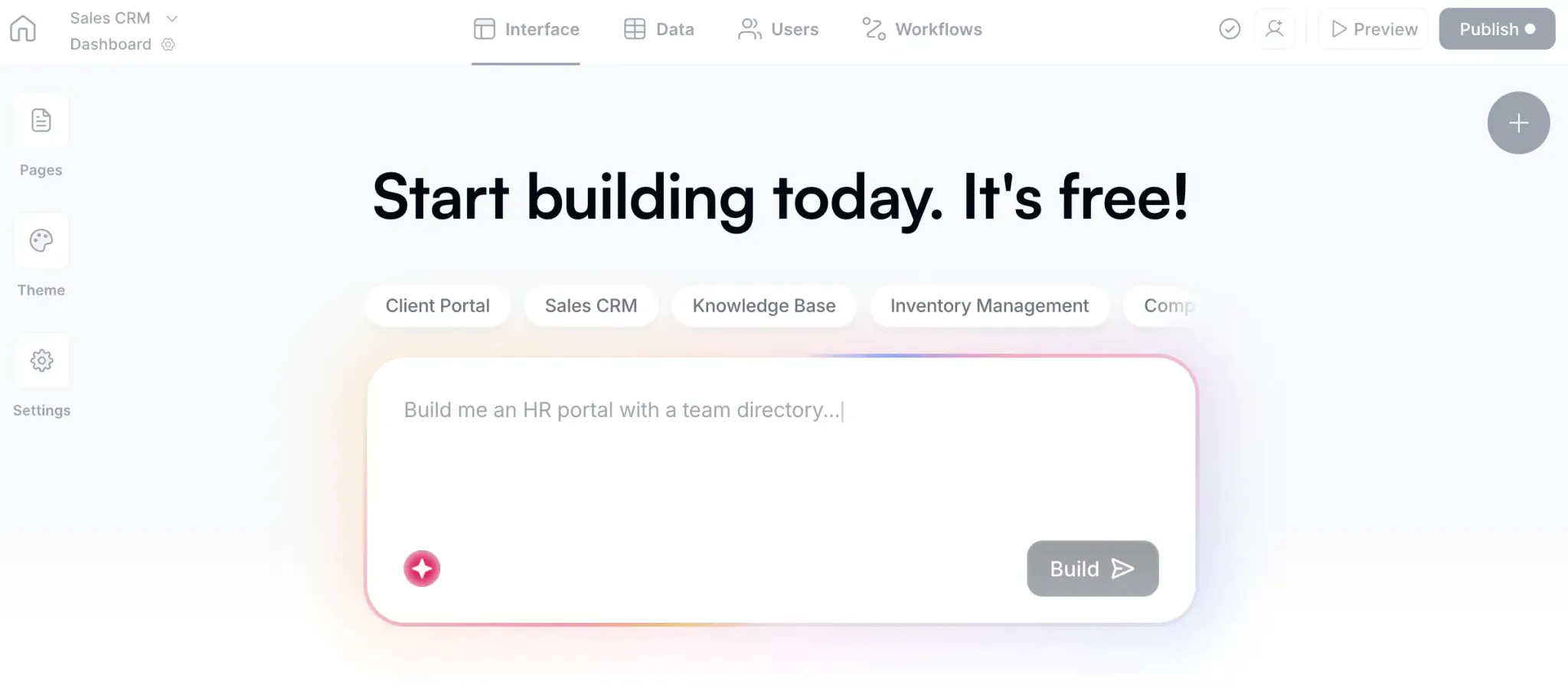
Softr is an AI platform for building the working software your business runs on — client portals, internal tools, dashboards, and operational systems — without relying on developers. Describe what you need, and Softr's AI Co-Builder builds a fully functional app with database structure, business logic, permissions, and interfaces already connected, secure, and ready for real users.
 new
new
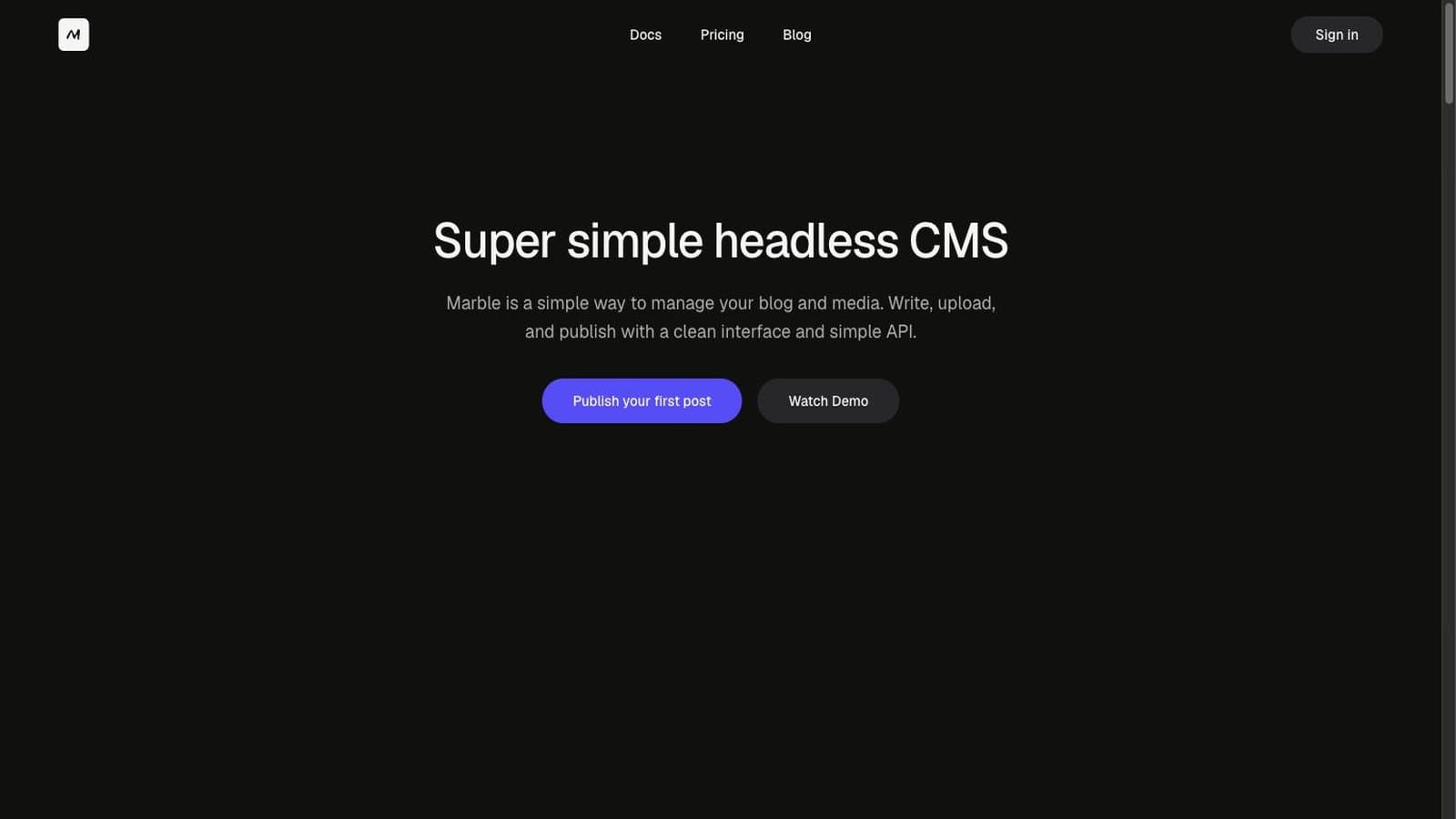
A deliberately small headless CMS for a blog and its media, with an API and an MCP server. The MCP server is the reason it appears here: it lets a coding agent create posts, update content and manage media without leaving the editor, which closes the loop for anyone whose agent writes the copy as well as the code. Free tier is real rather than a trial.
AI-native platform for building internal tools and workflows on top of structured data.
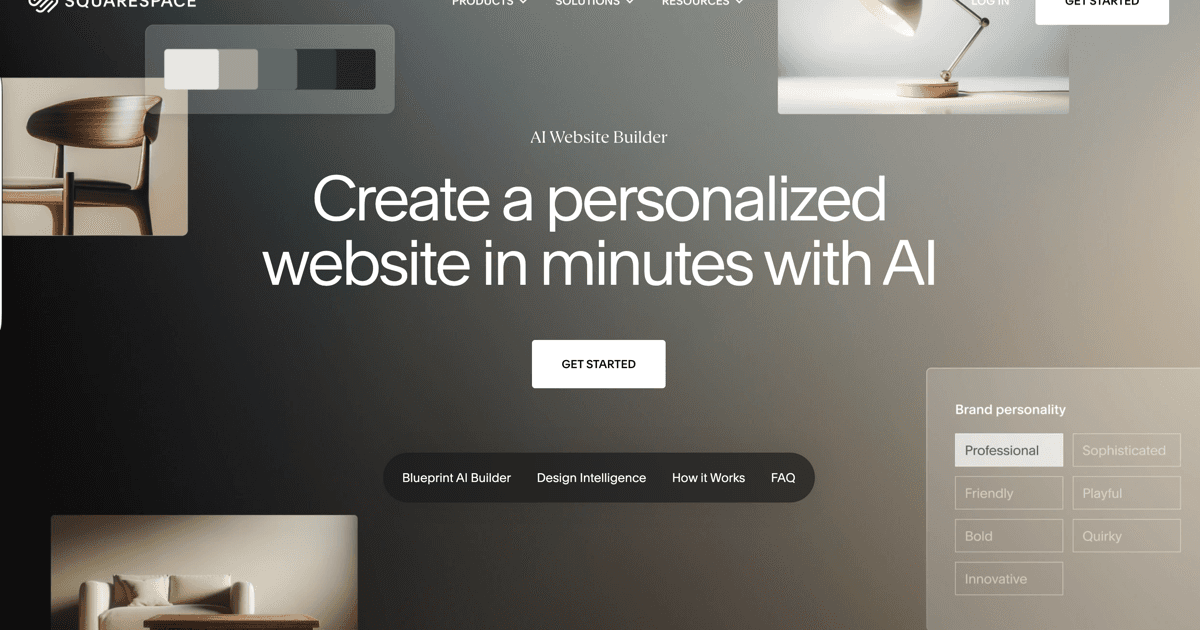
AI-guided website builder that generates a personalized site with copy and design in minutes.
Low-code platform for building and deploying internal tools with integrations and optional AI agents.
AI builder for generating websites, landing pages, and funnels from text descriptions.


All-in-one platform to build web apps like CRMs and portals without coding, with built-in auth and databases.
Merchant of record platform for selling digital products, SaaS subscriptions, and software licenses. Handles payments, tax collection, fraud protection, and billing across 135+ countries, now part of Stripe.

Every AI coding agent priced from its official page in one comparison: Claude Code, Cursor, Codex, GitHub Copilot, Bolt, v0 and Lovable. The real difference is not the price, it is the meter: time windows, dollar allowances, tokens or credits.

The agentic engineering stack for 2026 in four layers: coding agents, orchestration frameworks, data and memory, observability. Live prices for Claude Code, Cursor, Codex, CrewAI, LangGraph, LangSmith and LlamaCloud, plus starter stacks by team size.

Agent Zero is a free, open-source AI framework that spawns subordinate agents in Docker sandboxes with code execution, browser automation, and persistent memory. Updated review covering v1.20, Time Travel, Codex OAuth, A0 CLI Connector, and the 100+ plugin Plugin Hub.

Local-only vibe coding stack for 2026: Qwen 3.6 27B and DeepSeek V4 Pro on Ollama or LM Studio, wired to Aider or Cline. Hardware requirements, config snippets, real walkthrough, and honest gap analysis vs Claude Code.

A practical 30-minute security audit for vibe-coded apps. Covers the 7 gaps AI tools consistently miss (exposed keys, disabled RLS, missing JWT checks, client-side auth, XSS, LLM cost runaway, open CORS) with 2-minute fixes for each.

The Claude Code creator wants to retire "vibe coding." Simon Willison says the two terms are converging. Google Trends says the audience has not moved. Here is what is actually different between vibe coding and agentic engineering, and which one belongs in your job posts.
For small businesses and freelancers, simplicity is key. Hostinger AI Hub offers a "business in a box" solution: it doesn't just build a website; it generates the copy, creates the logo, optimizes for SEO, and even sets up a store. Squarespace AI takes a different approach: world-class design templates with AI-powered customization, giving you magazine-quality layouts without hiring a designer.
The key differentiator between these builders and the vibe coding builders is intent: these tools optimize for business outcomes (looking professional, ranking on Google, converting visitors) rather than code generation. They integrate with the tools your team already uses, email, calendars, payment processors, and analytics.
Airtable has evolved from a "super-powered spreadsheet" into a full-fledged AI platform. Its built-in AI features can summarize records, automate workflows based on triggers, and generate entire applications on top of your data. For teams that think in rows and columns, Airtable is the natural command center.
Softr complements Airtable perfectly: it takes your Airtable data and wraps it in a beautiful, secure frontend with user authentication and role-based permissions. The combination of Airtable (backend) + Softr (frontend) is one of the most popular no-code business stacks in 2026.
Lemon Squeezy has solved a real pain point for digital product sellers: the "billing infrastructure" problem. Instead of integrating Stripe, building a checkout flow, handling international taxes, managing subscription logic, and building a customer portal, you get all of it in one platform. It takes a percentage of sales instead of a flat fee, making it cost-effective for early-stage products.
For teams selling physical products or running larger e-commerce operations, Squarespace's built-in store and Hostinger's e-commerce templates handle the basics well. For complex commerce needs, dedicated platforms like Shopify remain the better choice.
Ranking on Google in 2026 requires more than keywords: it requires topical authority, user engagement, and helpful content. AI tools can analyze search intent, identify content gaps, and draft articles optimized for both readers and search engines. Most website builders in this category now include AI-powered SEO features: meta description generation, heading optimization, and content scoring.
Google has stated they reward high-quality content regardless of how it's produced. The key is ensuring AI-generated content is accurate, helpful, and reviewed by humans; not just raw AI output published at scale.
Squarespace starts at $16/month for personal sites, $27/month for business. Hostinger is more budget-friendly, starting around $3/month for basic hosting with AI features. Airtable has a free tier for small teams, with Pro at $20/seat/month. Softr starts at $49/month. Lemon Squeezy charges a percentage per transaction; no monthly fee.
Across business communities and forums, the most common recommendation is to match the tool to your primary need: Squarespace for brand-first businesses, Hostinger for budget-conscious builders, Airtable + Softr for data-heavy operations, and Lemon Squeezy for anyone selling digital products who doesn't want to think about billing infrastructure.
Wonderish and Probz.ai represent a new wave of AI-native business platforms. Rather than retrofitting AI into existing tools, they're built from the ground up to handle modern business workflows, automated funnels, customer research, and AI-driven decision making. They're early-stage but worth watching if you're building a digitally-native business.
ToolJet offers a more developer-friendly approach to internal tools, with database connectors, custom queries, and JavaScript transformations. It's open-source and self-hostable, making it a good choice for teams that need flexibility beyond what Softr or Airtable provide.
A common question: should you use a business tool (like Squarespace) or a vibe coding builder (like Lovable)? The answer depends on your goal:
For a curated editorial guide, see our Best AI Website Builders & Business Tools guide.
For standard business websites, portfolios, and landing pages, AI builders now produce professional-quality results that rival human designers. Squarespace and Hostinger's AI features generate polished, responsive sites from simple descriptions. For highly custom brand experiences, human design still adds value.
Hostinger AI Hub is much easier and faster to set up: it generates your entire site from a conversation. WordPress offers more flexibility and a massive plugin ecosystem but requires more maintenance and technical knowledge. For most small businesses, Hostinger is the faster path.
Lemon Squeezy is the standout choice. It handles payments, subscriptions, tax compliance, license keys, and affiliate management in one platform. You don't need to integrate Stripe, handle VAT, or build a billing portal. It charges a percentage per transaction instead of a monthly fee.
Yes. Squarespace and Airtable are used by millions of businesses. Hostinger provides enterprise-grade hosting. Softr scales with Airtable's capacity. For very high traffic (millions of monthly visitors), you may eventually need dedicated hosting, but these platforms handle typical business traffic without issues.
Google has stated they reward helpful content regardless of how it's produced. The key is ensuring accuracy, originality, and value. AI-generated content that's reviewed and edited by humans performs well. Raw, unedited AI content published at scale risks penalties.
Vibe and no-code builders (Lovable, Bolt.new) generate full-stack applications from prompts, they're for building software products. Website and business tools focus on business outcomes: marketing sites, commerce, data portals, and internal tools. They integrate with existing business workflows rather than generating code from scratch.
Use this category page as a curated shortlist of Website & Business Tools tools. You can explore each tool’s features on its tool page, then compare options via their alternatives pages. If you want to browse everything, head back to All Tools.
Popular starting points in this category include Hostinger AI Hub, Airtable and Squarespace AI Website Builder.
Tools that improve the developer workflow itself: automation, command runners, multi-agent orchestrators, productivity layers.
AI tools for marketing, websites, business operations, and non-developer workflows.
Prompt-to-app builders for non-engineers and rapid prototyping. Generates working apps from natural language.
Full-fledged code editors, agentic IDEs, and pair-programming environments for engineers.
AI assistants that review pull requests, suggest fixes, and act as a second pair of eyes on existing code.
Infrastructure for running, orchestrating, and observing autonomous AI agents (memory, tools, sandboxing).
Cloud-based development environments and prototyping platforms (StackBlitz, Replit-style).
Libraries, SDKs, frameworks, and dev kits that engineers use to build AI features into their own apps.
Hosting, deployment platforms, databases, and backend infrastructure for AI-powered apps.
Curated prompt libraries, skill packs, and reusable prompt frameworks.
Hyperscaler AI platforms (Bedrock, Vertex AI, Azure AI Foundry) — managed services for foundation models.
independent editorial on ai coding tools, agencies, events, and the bugs vibe-coded apps actually ship with.
no spam · unsubscribe anytime