
open-source Tag
Open Source AI Coding Tools - Transparent and Extensible Platforms
Explore open source AI coding tools that offer transparent codebases, community-driven development, and flexible self-hosting options.

open-source Tag
Open Source AI Coding Tools - Transparent and Extensible Platforms
Open source tools publish their code under permissive licenses, giving teams more transparency, extensibility, and control.
What open source tools cover
Open source tools expose their source code so you can audit, customize, and contribute. In AI coding workflows, this often means greater transparency around how models are used and how data flows through the system.
For teams with strict security or compliance needs, open source options can provide an extra layer of control compared to closed platforms.
Who these tools are for
- Developers who want transparency and the ability to inspect code.
- Teams that need self-hosting or custom integrations.
- Builders who prefer open ecosystems and community support.
Key capabilities
Transparency
You can review the codebase and understand how the tool works.
Extensibility
Open projects are easier to fork, extend, and integrate with custom systems.
Community-driven updates
Features and fixes often ship quickly when there is active community demand.
How to choose an open source tool
- Review the license to confirm it fits your use case.
- Check community activity and maintenance cadence.
- Evaluate whether you need vendor support or can self-manage.
Getting started
Start with a tool that has clear documentation and an active maintainer community. Install it locally, test with a small project, and expand as you gain confidence.
Related resources
- Browse all tools
- AI development tools
- AI developer IDEs and agents
- Example tools: OpenAI Codex CLI, Aider, Zed
Sources
open-source Tools (54)
 featured
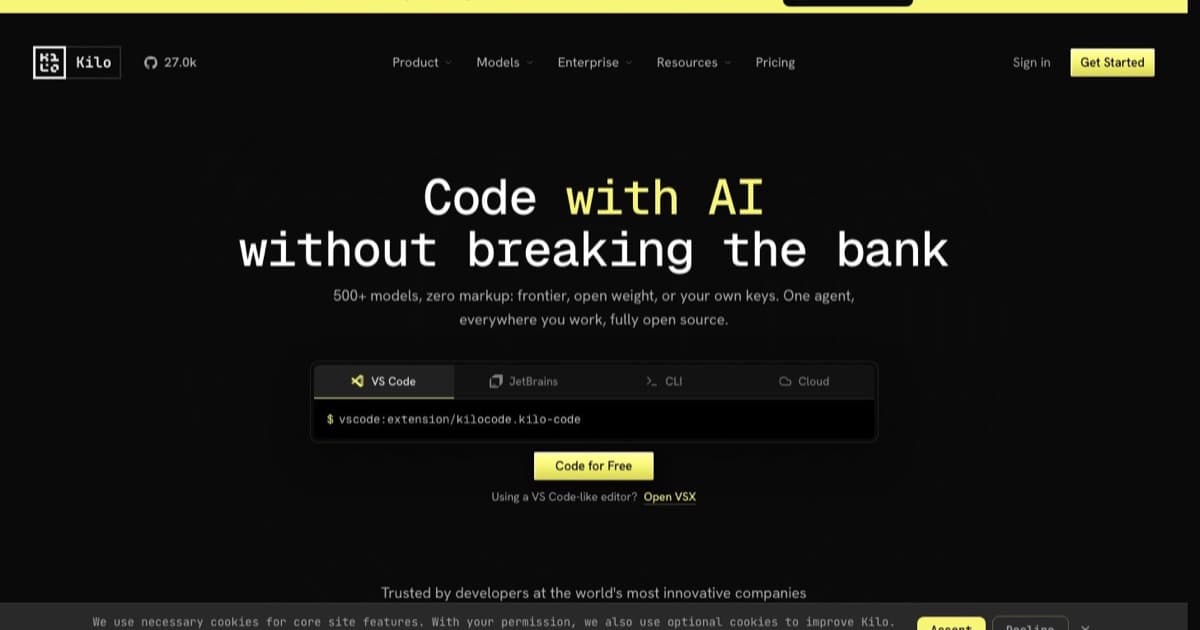
kilo code
Open-source AI coding agent for VS Code, JetBrains, and CLI that supports 500+ AI models. Features agentic workflows, inline autocomplete, browser automation, and an orchestrator mode that breaks complex tasks into coordinated subtasks.
 new
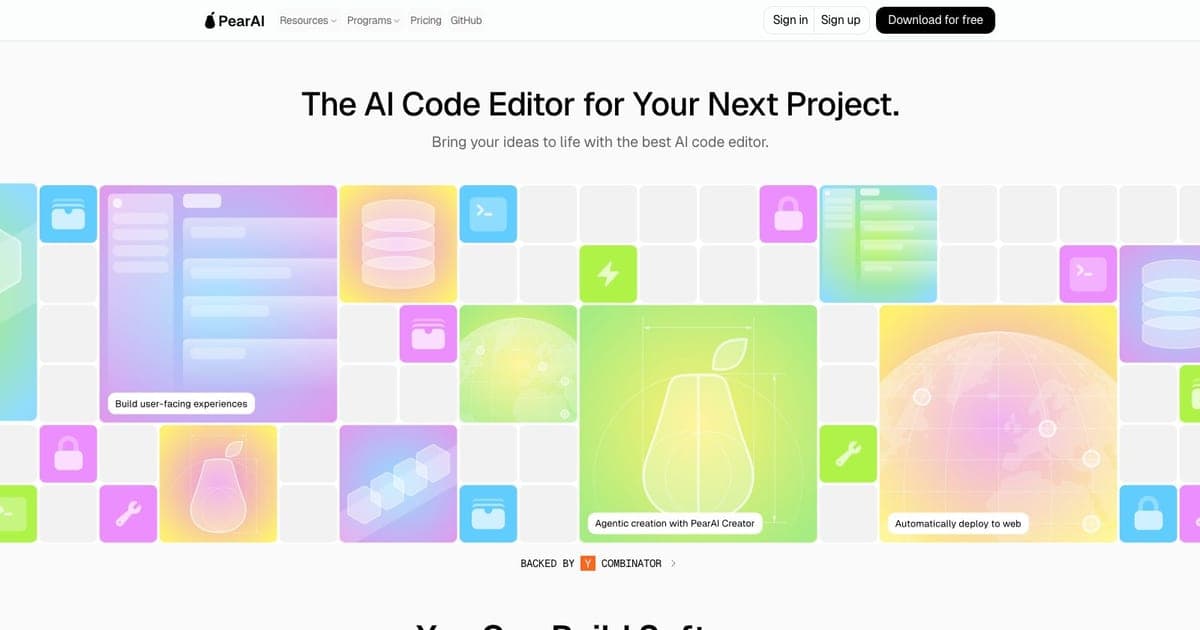
newpearai
Open-source AI code editor built on VS Code, bringing Claude and other frontier models into the editor with your own API key, a local model, or PearAI's hosted router. The free Intern tier is a trial plus bring-your-own-key; Maker is $15 a month and refills $15 of credits rather than granting unlimited requests, with more available pay-as-you-go. Development moved to the pearai-master repository, last pushed 2026-06-19.
 new
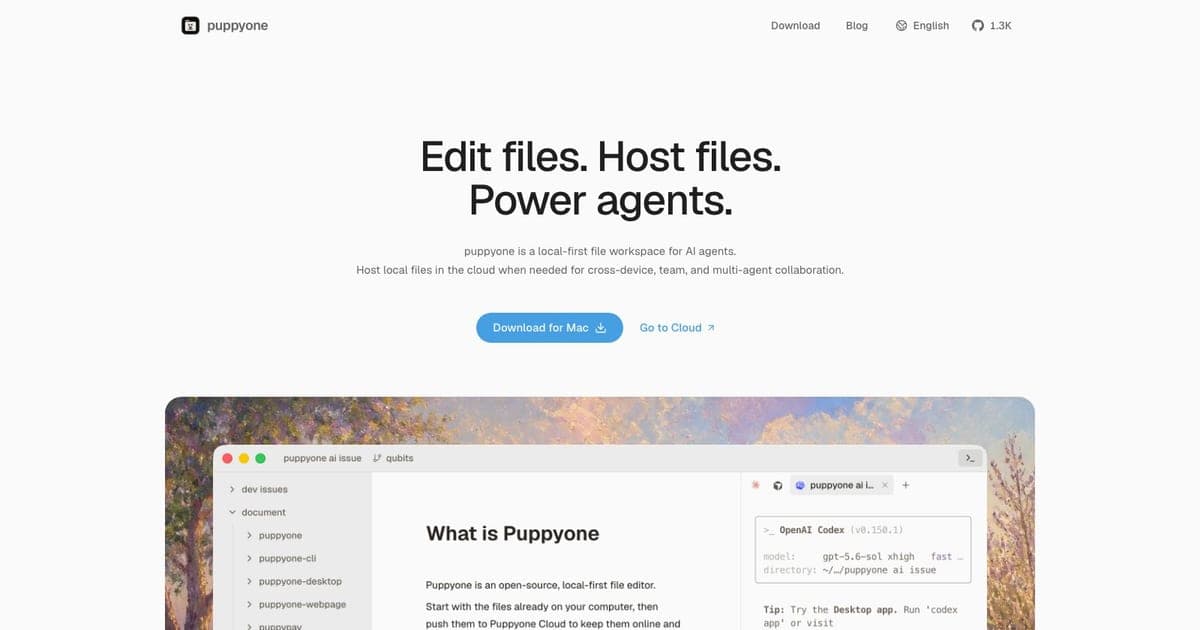
newpuppyone
A file system for agents rather than a vector store: it pulls Notion, Slack, Gmail and Postgres into one versioned tree of readable files, hands each agent a scoped access point, and keeps Git-style history over what they change. Reachable through MCP, a CLI and an API, so Claude Code and Cursor read and write the same tree. The Community Edition is Apache 2.0 and self-hostable with no seat fees, which is the version worth trying first if the point is keeping context on your own machine.
 new
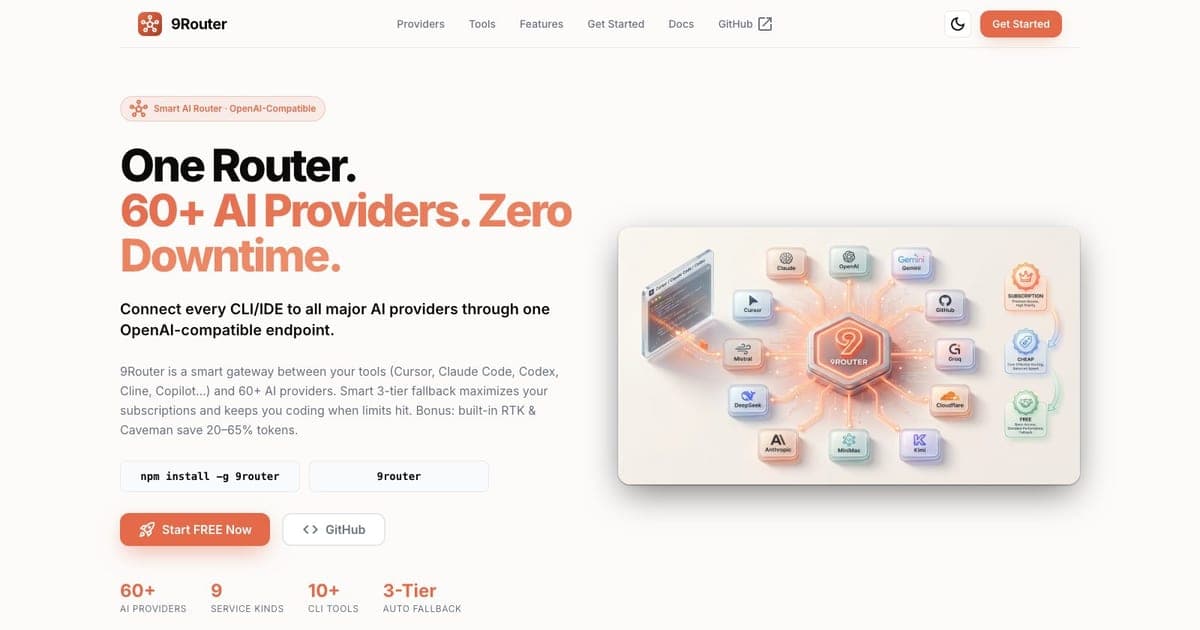
new9router
Self-hosted router that puts one OpenAI-compatible endpoint in front of many model providers, so Claude Code, Codex, Cursor, Cline and Copilot keep working when a subscription hits its quota. Runs as a local Next.js service on localhost:20128 with its own dashboard, compresses tool output before it reaches the model, and falls back across three tiers of provider. Read the security section before you point a real key at it: nineteen security advisories have been published on the repository, all in July 2026, several of them authentication bypasses in the proxy itself.
 new
newopenhuman
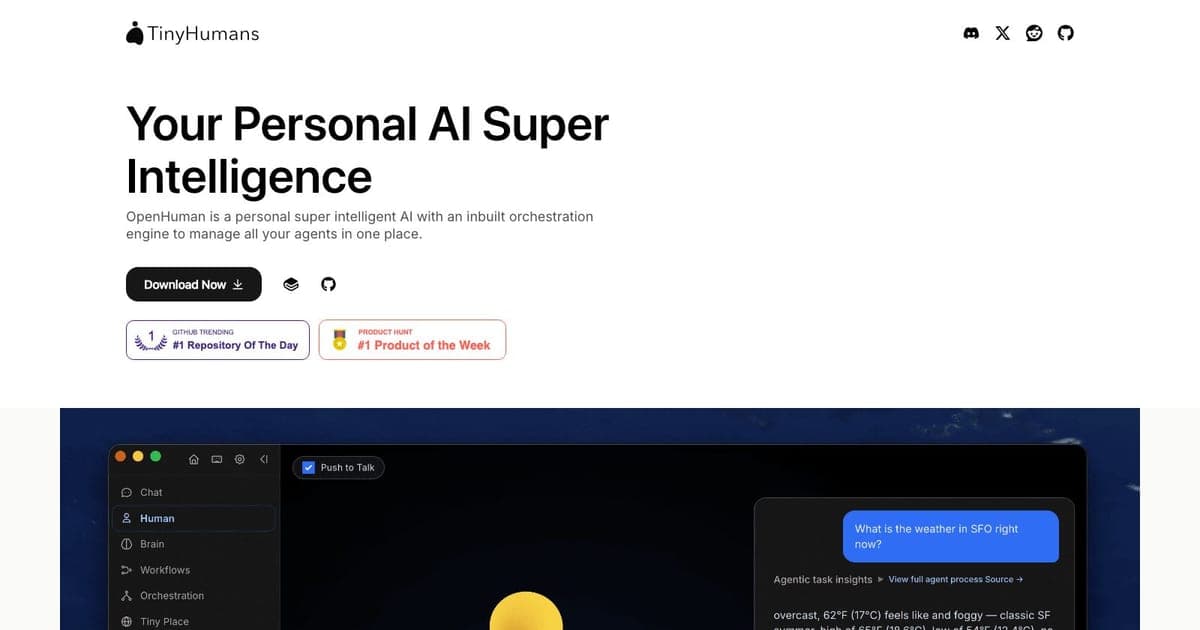
Desktop application from TinyHumans AI that keeps a local memory of your work and runs fleets of agents against it, with connectors to outside services and a research mode over them. Built in Rust and Tauri and distributed as a desktop install rather than a hosted product, which is the point of it: the memory stays on the machine. Young, and moving quickly, so treat the connector count on the marketing site as a moving figure rather than a specification.
moadim
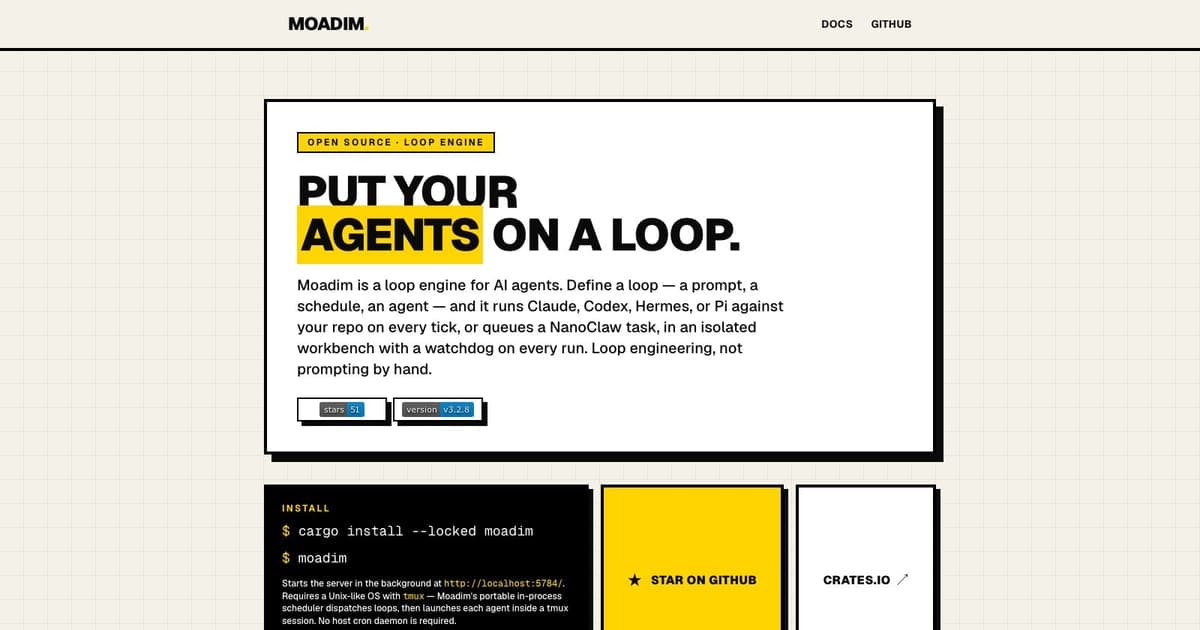
A loop engine that runs coding agents on a schedule against your codebase. A loop pairs a prompt, a schedule and an agent (Claude, Codex, Hermes, NanoClaw or Pi), and each run executes in a throwaway workbench so a hung run gets killed rather than left behind. Everything is exposed twice, as a REST endpoint and as an MCP tool, so another agent can schedule work as easily as you can. Routines live in ~/.config/moadim/ and are git-trackable. It runs entirely on your own machine: no cloud, no account, no data leaving the host.
codenotch
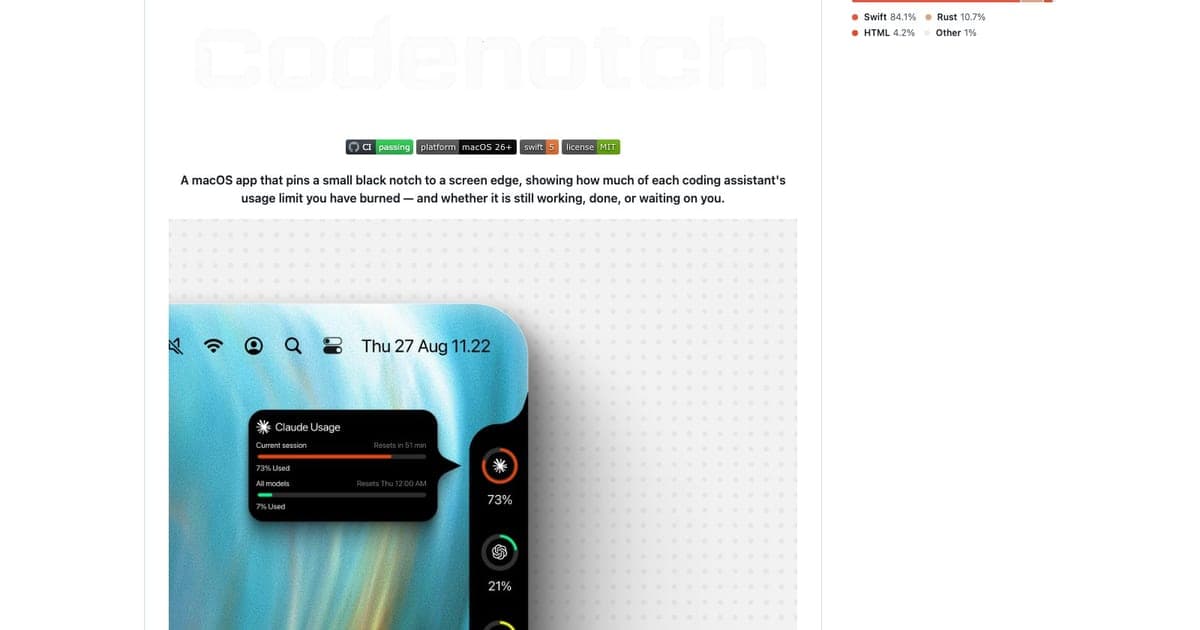
A macOS app that pins the usage limits of Claude Code, Cursor, Codex and Antigravity to an edge of your screen, so you can see how much of a plan is left without asking. It also answers the question the official commands do not: whether a run is still working, shown as a thin arc that spins while a provider is busy. It never signs in anywhere, borrowing the credentials of sessions you already have. Primary platform is macOS, with a Windows port in Rust and Tauri 2; there is no native Linux build.
kit
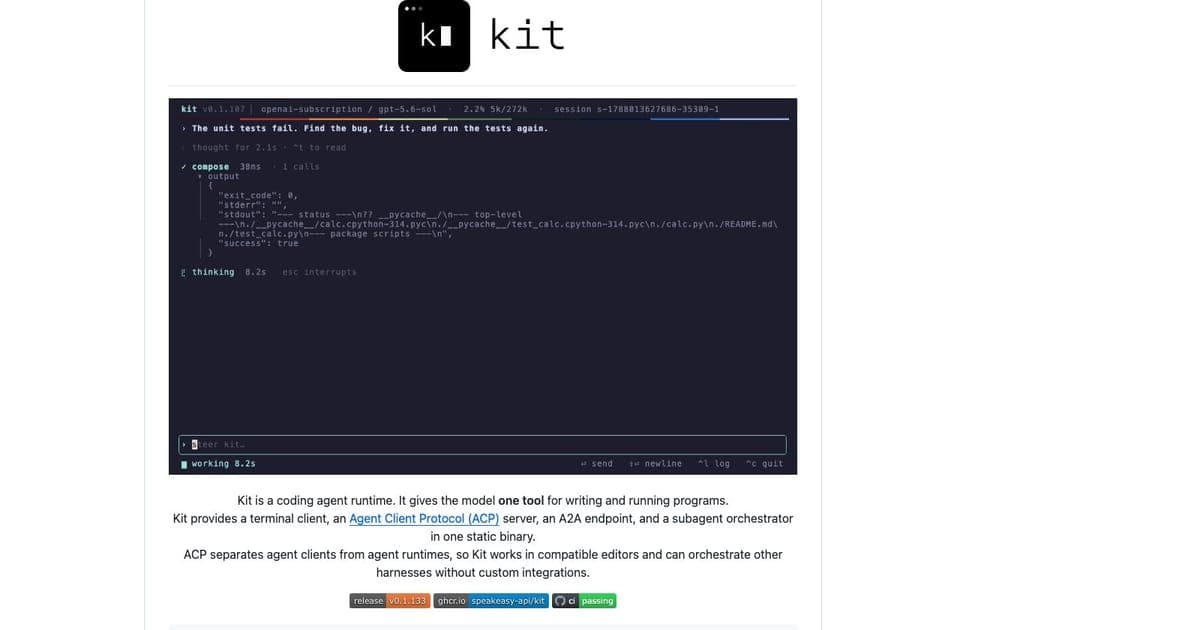
A coding agent runtime from Speakeasy that gives the model a single tool, compose, whose argument is a short program rather than a one-off call. The intent is fewer model round trips: more work completed per request, and less context repeated. It ships a terminal client, an Agent Client Protocol server and an A2A endpoint, speaks ACP v1 and v2 over stdio, HTTP/SSE and WebSocket, and stores sessions as append-only JSONL. Bring your own model, including ChatGPT subscriptions over native OAuth. It is deliberately small and says so: no web UI, no visual debugger, and no permissions framework of its own.
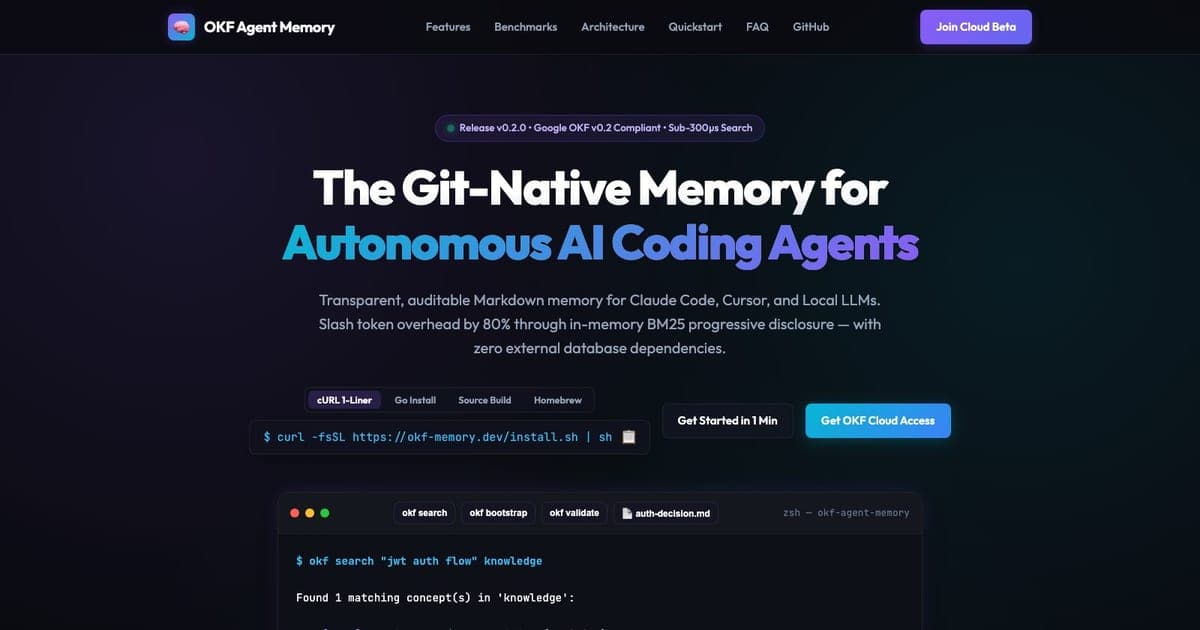
okf agent memory
Persistent memory for coding agents kept as plain files in your repository rather than in a vector database. It implements Google's OKF v0.2 specification with progressive disclosure, so the agent pulls in only the slice of memory a task needs instead of paying for the whole store on every request, and retrieval uses BM25 rather than embeddings. Because the memory is git-native it diffs, reviews and reverts like the rest of your code, and it publishes its own security documentation, which is unusual for a tool whose entire job is persisting context to disk.
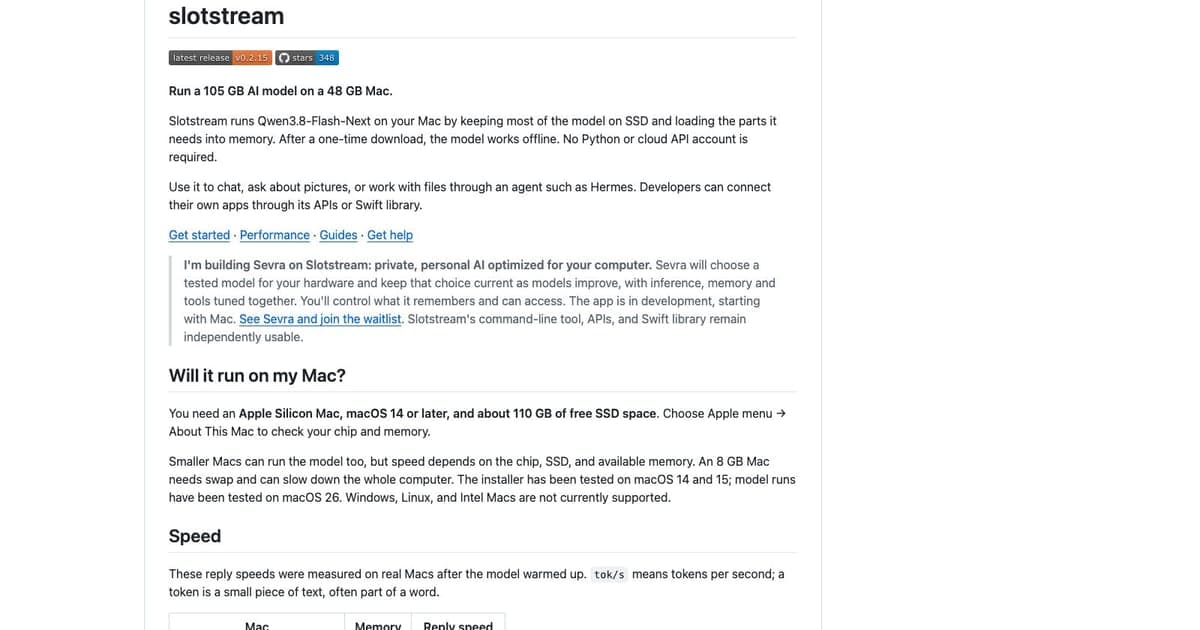
slotstream
Runs mixture-of-experts models that do not fit in a Mac's memory by streaming the experts it needs from SSD, so a 105 GB model can run on a 48 GB machine. Apple Silicon only, built on MLX, and focused on one model family rather than being a general local-model runner. Treat the throughput and SSD-wear figures as the project's own measurements: they are published and detailed, and no independent verification exists yet. The project is weeks old and moving quickly. Sevra, listed as its homepage, is a future consumer app built on top of it rather than a paid tier of it.
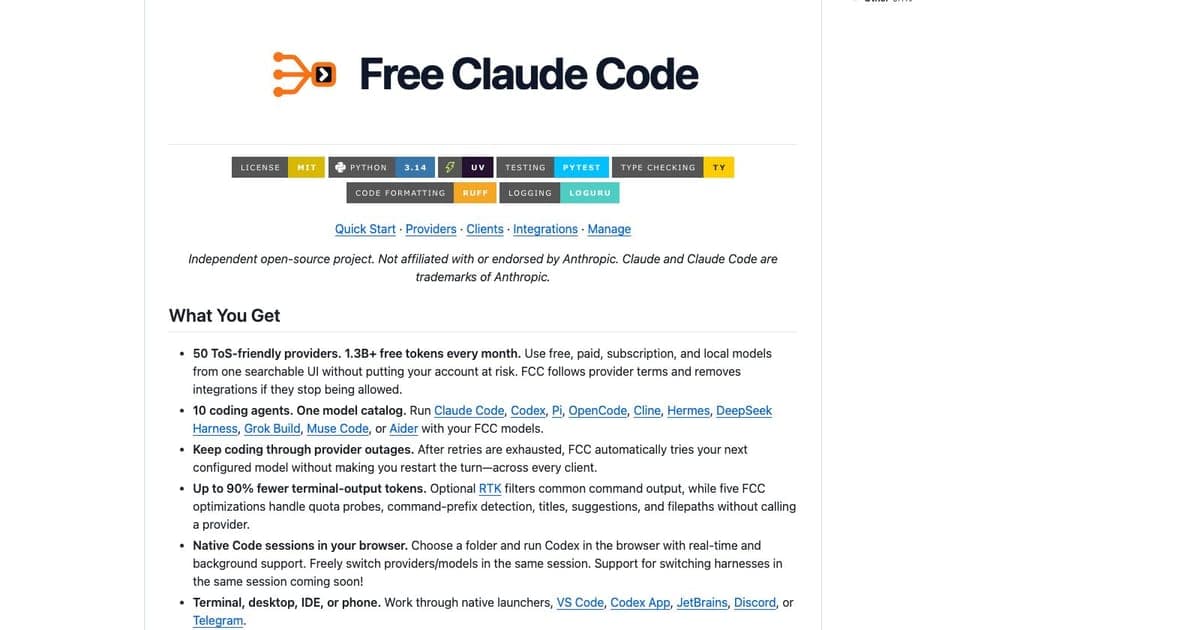

free-claude-code
MIT-licensed local Python gateway that sits in front of coding agents and routes Anthropic-format traffic to free, paid, subscription and local backends. The README claims 50 ToS-friendly providers, 1.3B+ free tokens a month and 10 coding agents (Claude Code, Codex, Pi, OpenCode, Cline, Hermes, DeepSeek Harness, Grok Build, Muse Code, Aider) behind one searchable model catalog, with automatic fallback to the next configured model when a provider fails. It is an independent project, not affiliated with Anthropic: you keep the agent harness, not Claude's weights, and free-tier limits belong to each upstream provider and may change. A GitHub issue titled "Malicious claims about this repo" is a community dispute, not a verified finding, and no privacy or security policy page exists beyond the README.
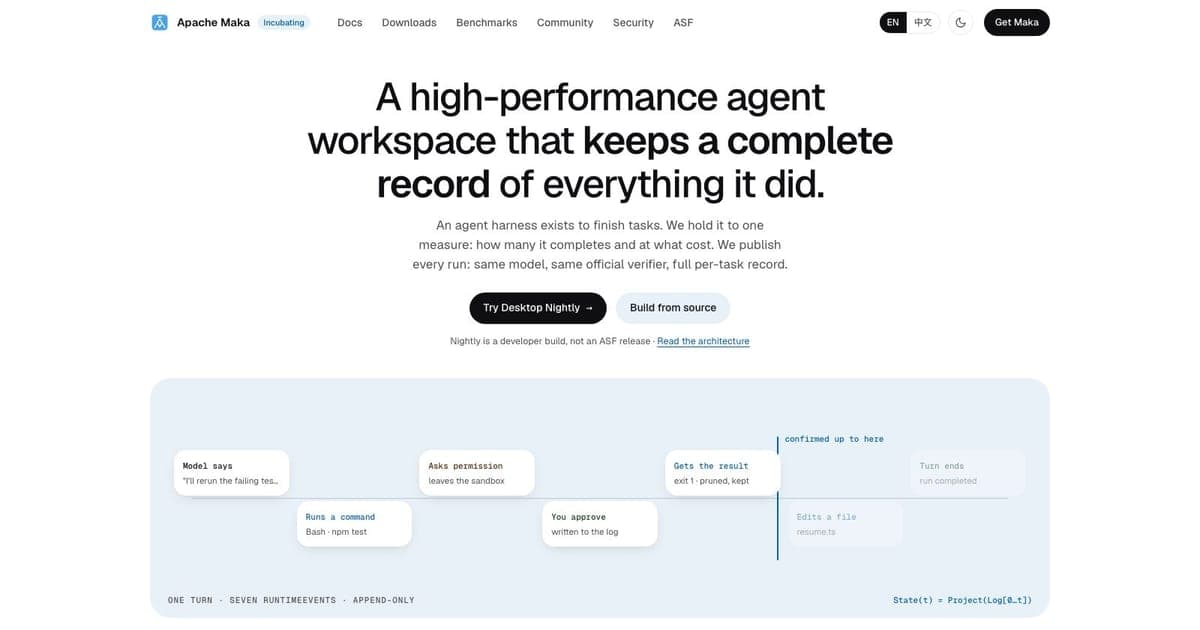

apache maka
Apache-incubating agent workspace where the Desktop app, the TUI and the CLI are thin clients of one Runtime Host, and every model message, tool call, permission decision and termination is written as an append-only RuntimeEvent: the project's own line is "the log is the runtime". You bring the model (a cloud API, a local model or a compatible gateway) and sessions, settings and run records stay on your machine. Its site publishes a nine-harness Terminal-Bench 2.1 table with per-task CSVs rather than a headline claim. Read the status before installing: as of 8 September 2026 Maka has not made an Apache release, the desktop nightlies are unsigned previews not intended for production, and the CLI ships as maka-agent@next on npm (the unrelated maka package is not this project). Its SECURITY.md is unusually direct: the only enforcement boundary against an adversarial LLM is the operating system, and API keys sit in a local plaintext credential file readable only by your OS account.
archify
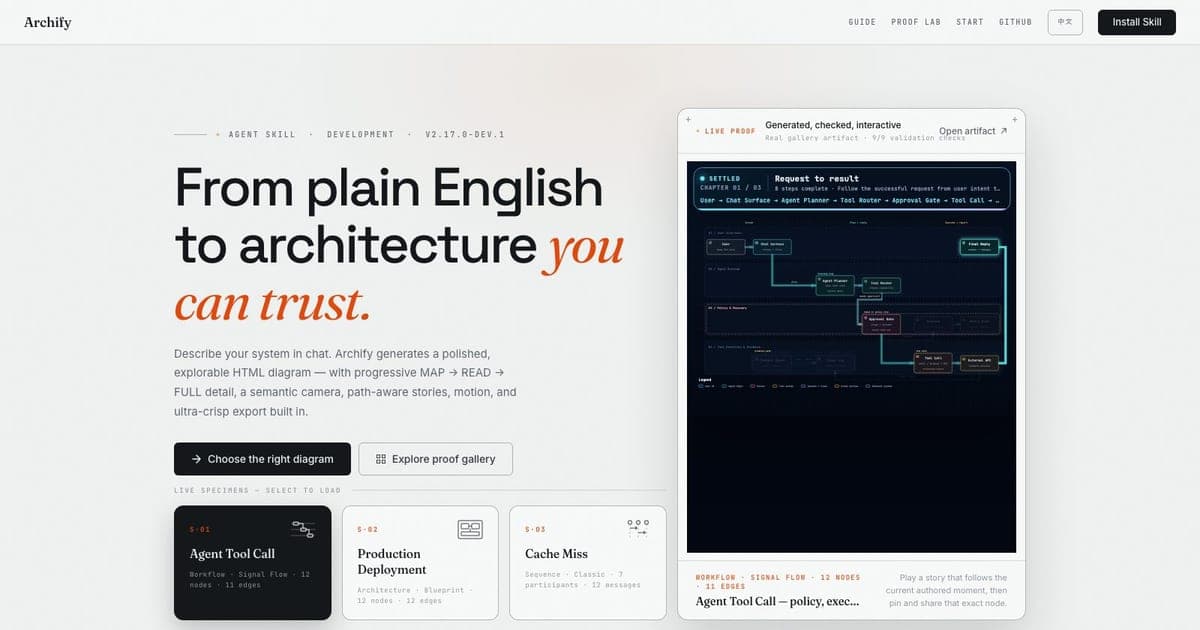
MIT agent skill for Cursor, Claude Code, Codex and OpenCode: describe a system in chat, or point the agent at a repository, and it produces a self-contained interactive HTML diagram (architecture, workflow, sequence, data flow or state machine) with no runtime dependencies, plus PNG, SVG, WebP and clipboard export. The agent writes a typed JSON intermediate representation and Archify compiles it deterministically, which is what makes the output checkable, and a Before/Delta/After compare reviews architecture changes before merge. It is not a drawing editor or a Mermaid theme. Two name collisions to avoid: archifyai.com (building design) and Archify AG (a Swiss CAD firm) are unrelated companies.
void
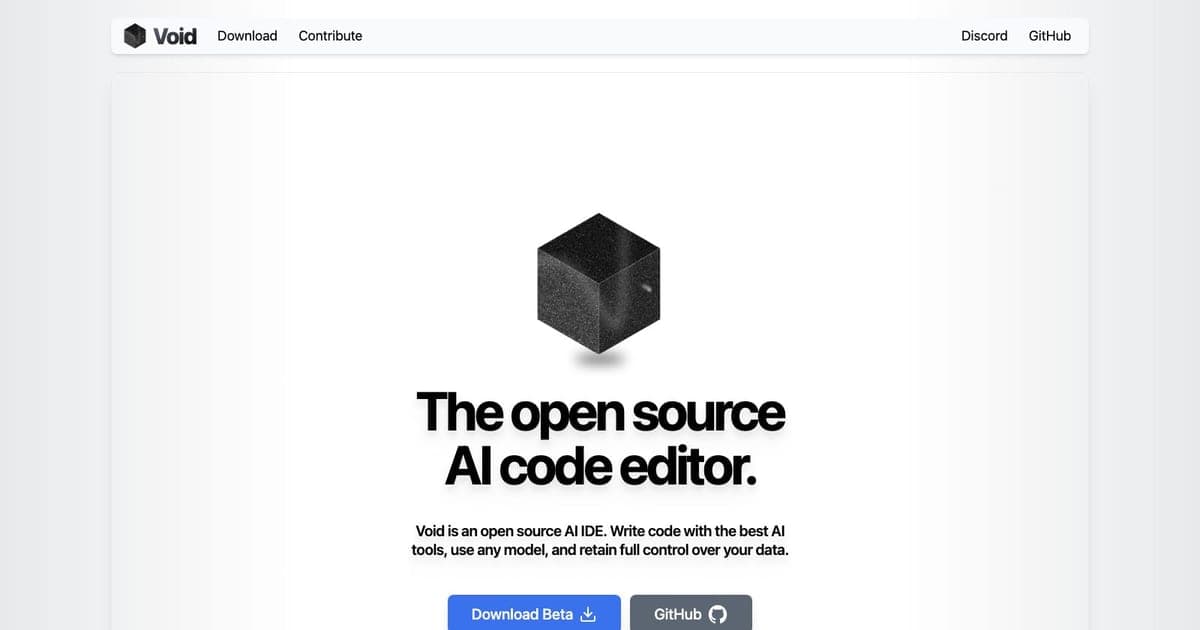
Discontinued. The repository was archived on 2 June 2026 and the README states Void is deprecated and no longer accepting contributions. It was a VS Code fork that sent model calls straight to your own provider or a local model, and the last builds still run, but no fix or security patch is coming.
deepseek harness
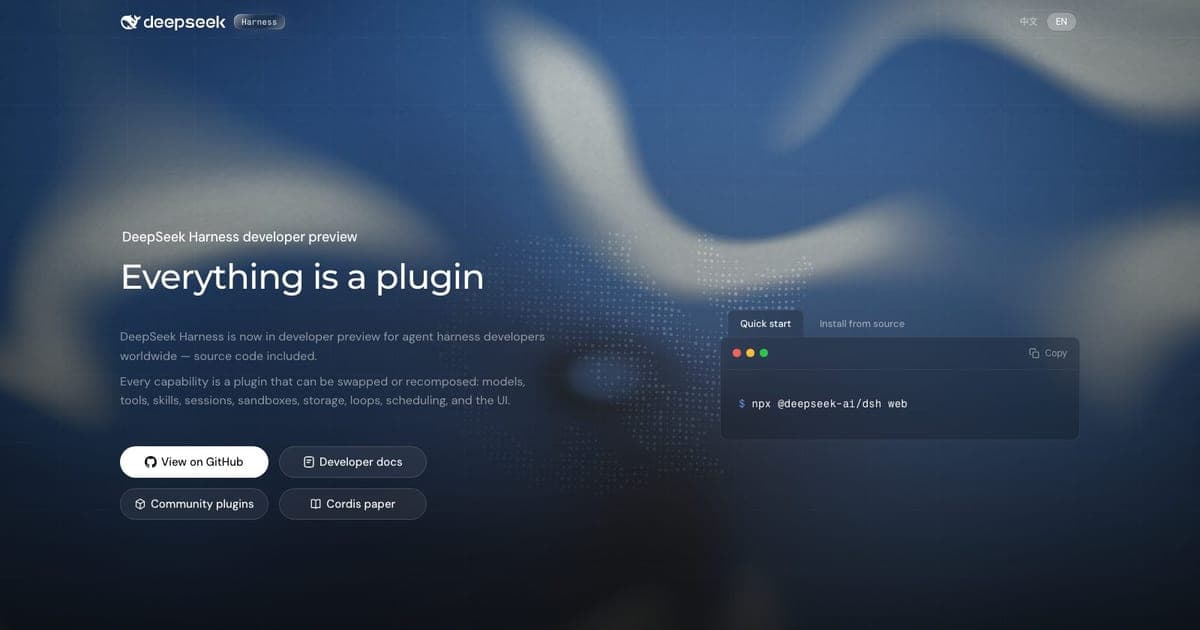
MIT-licensed agent harness from DeepSeek AI, built on the idea that everything is a plugin: models, tools, skills, sessions, sandboxes, storage, loops, scheduling and the UI can each be swapped in configuration without touching the source. Start it with one command and it opens a local Web UI at 127.0.0.1:3080, with an append-only trajectory log you can resume, fork, search and replay. Read the trade-off before installing: DeepSeek calls it a developer preview, warns there will be compatibility-breaking changes, and states plainly that it has had no security audit and must not be treated as production-ready.
omniroute
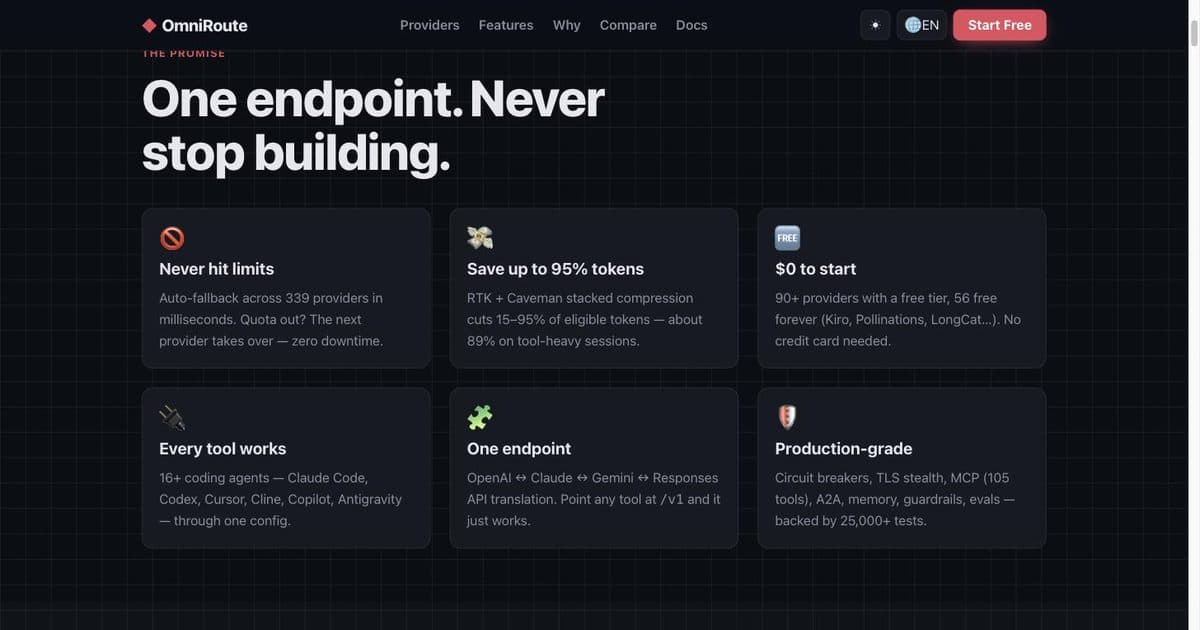
Self-hosted, MIT-licensed AI gateway that puts one OpenAI-compatible endpoint in front of a large multi-provider model catalog. Point Claude Code, Codex, Cursor, Cline, or Copilot at localhost:20128/v1 and it auto-falls back to the next provider when a quota runs out, stacks free tiers, and compresses tokens. Local-first: keys and history stay in SQLite on your machine, no telemetry, no account. Note the trade-offs: provider counts drift between official pages, and draining stacked free tiers can conflict with some upstream providers' terms.
flowise
Support ended 31 August 2026
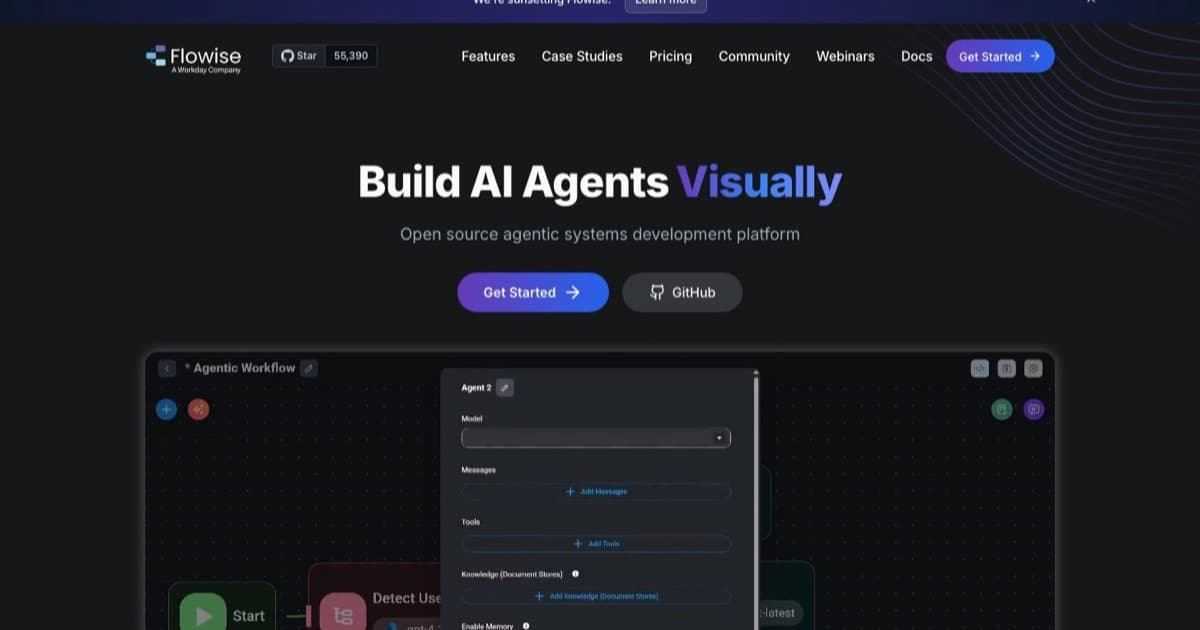
Open-source drag-and-drop tool for building LLM flows and AI agents using LangChain and LlamaIndex nodes. Now sunset: the team announced in July 2026 it is winding down, the repository is archived read-only on GitHub, and official support ended 31 August 2026. The Apache 2.0 code can still be forked and self-hosted, but treat it as frozen software with no security patches coming.

openworker
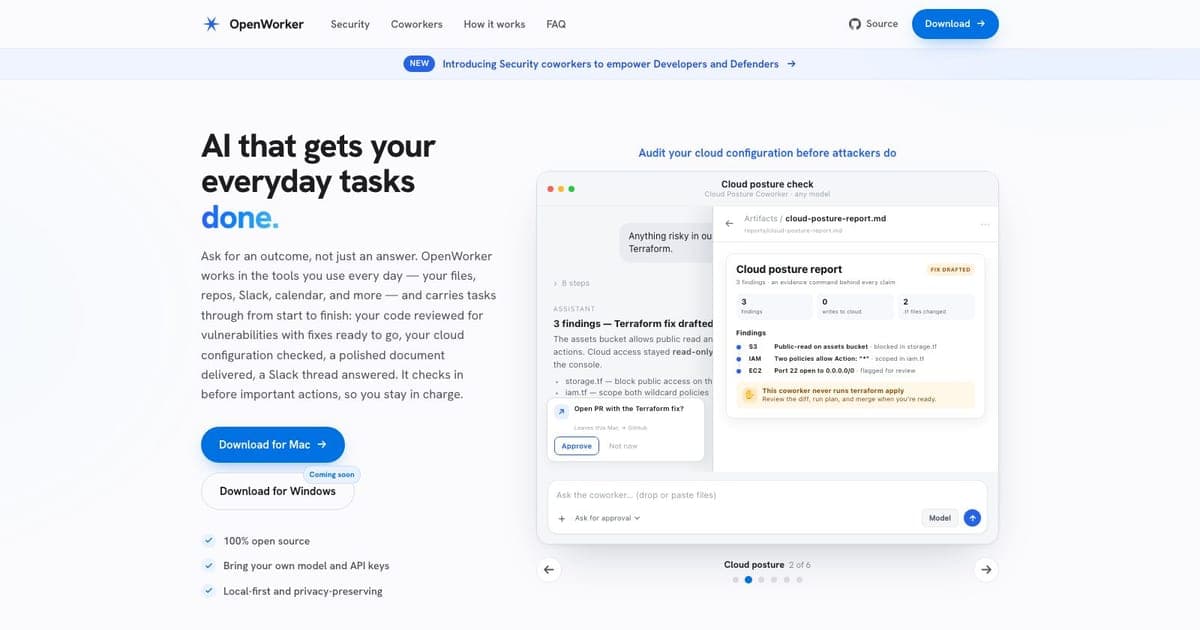
Andrew Ng's open-source desktop agent that hands back finished work instead of chat. It runs on your machine, connects to the tools you already use, and checks in before anything consequential. The August 2026 release added three security coworkers: one drives semgrep and secret scans and triages findings by reachability rather than severity, one checks Terraform against the live cloud read-only and opens infrastructure pull requests, and one audits dependencies. Bring your own API key, or run a local model through Ollama and nothing leaves the machine.
vibekeys
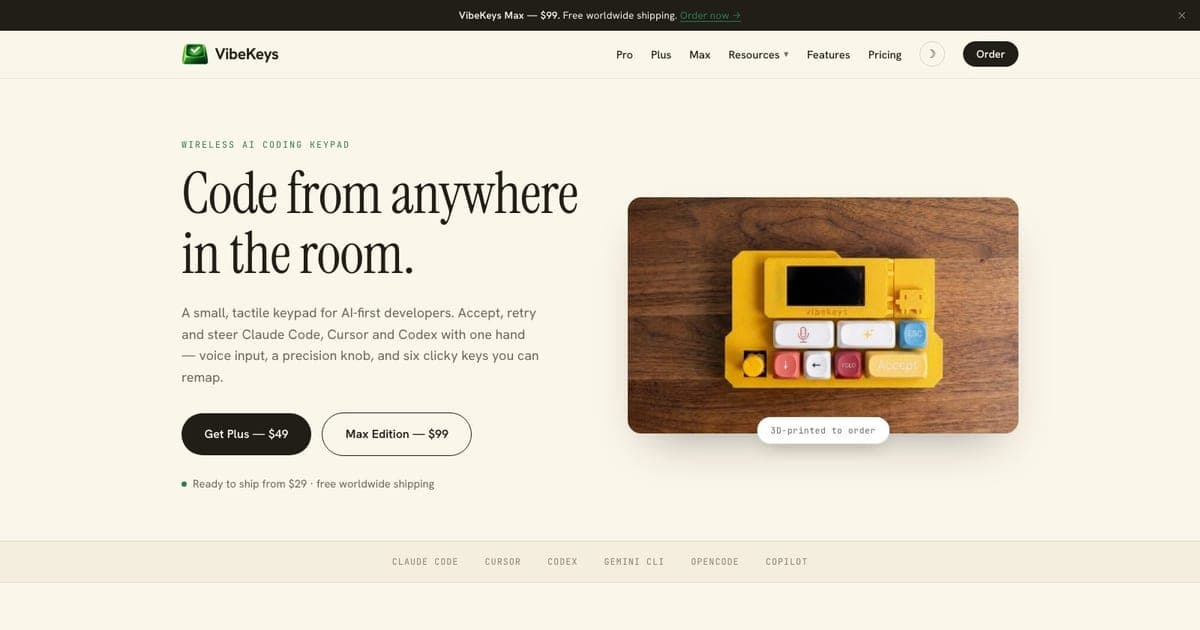
A six-key mechanical keypad with a rotary knob that maps Accept, Retry, YOLO, Escape and Voice to physical buttons for Claude Code, Cursor, Codex, Gemini CLI and Copilot. The Max model adds a status screen and remote control over Wi-Fi.

vibe80
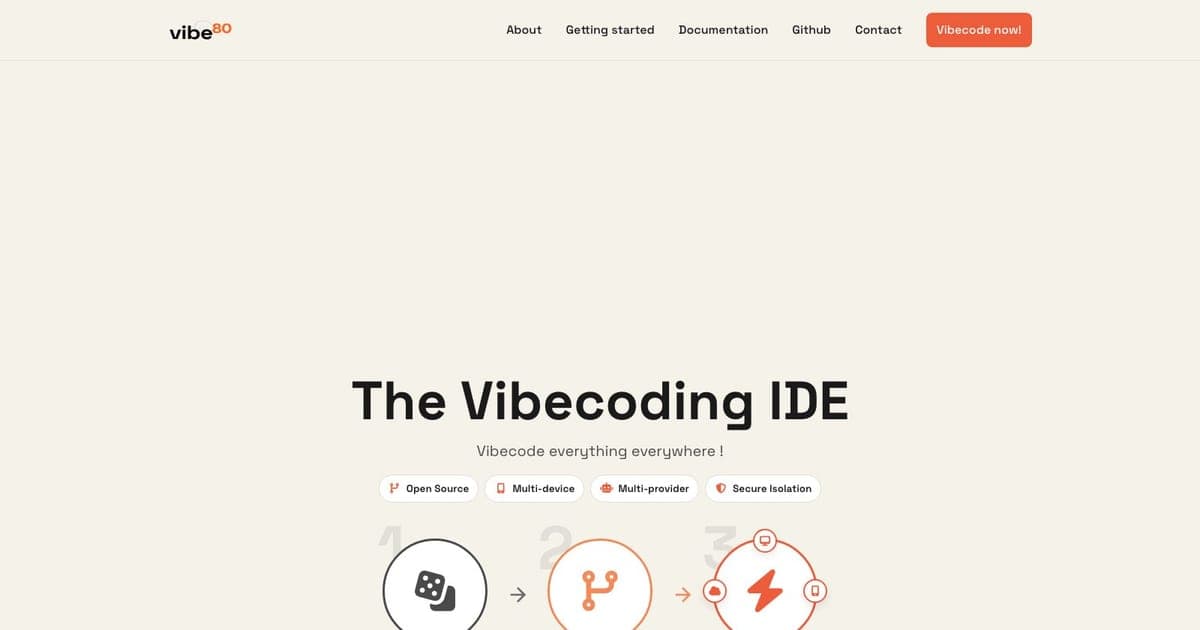
Apache-2.0 web workspace that orchestrates Codex and Claude Code over your Git repositories in sandboxed parallel worktrees, with a PTY web terminal and a mobile companion app that picks up a session by QR code.

pilot protocol
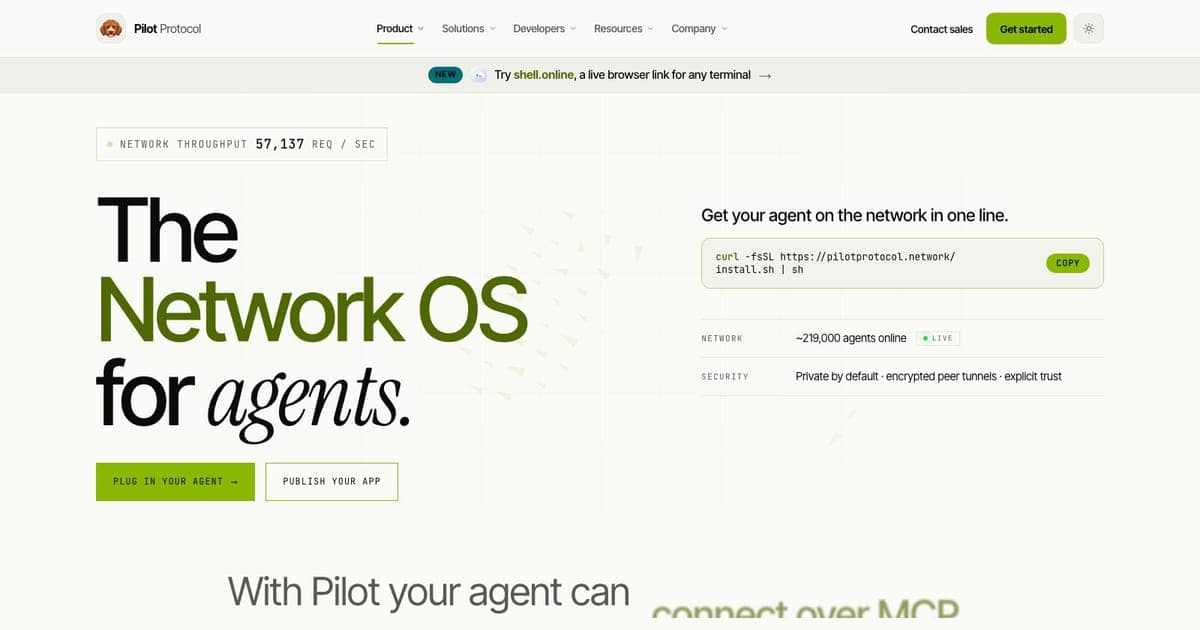
Open-source overlay network that gives AI agents permanent virtual addresses, encrypted UDP tunnels, NAT traversal, mutual-trust handshakes and a signature-verified app store, with native MCP setup for Claude Code, Cursor and Codex.

orca
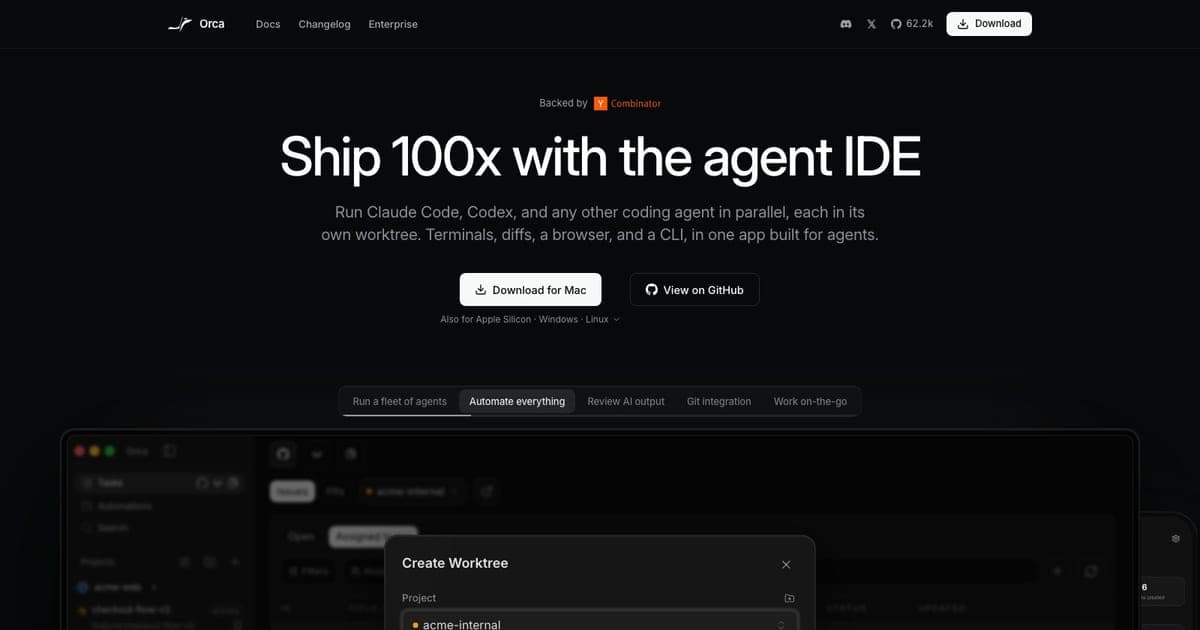
Open-source Agent Development Environment for running a fleet of AI coding agents at once. Every task gets its own git worktree, its own agent terminal, and its own browser tab, so you can fan one prompt across several agents, compare the diffs, and merge the winner. It drives roughly 30 CLI agents you already pay for, including Claude Code, Codex, OpenCode, Cursor and Copilot, and ships on macOS, Windows, Linux, iOS and Android.

vibekit (superagent)
Looking for the mobile AI app builder at vibekit.bot? That is a different product: see VibeKit at /tools/vibekit-bot. This page covers superagent-ai/vibekit, the open-source sandbox. MIT-licensed CLI wrapper and SDK from Superagent (YC) that runs Claude Code, Gemini CLI, Codex, Grok CLI, and OpenCode inside an isolated sandbox, redacting secrets from completions and logging every file change, shell command, and outbound call. Install with npm and prefix your usual command: `vibekit claude`. The local path uses Docker and needs no cloud account; the `@vibe-kit/sdk` package embeds the same sandboxing in your own app across E2B, Dagger, Daytona, Northflank, Cloudflare, Modal, and Fly.io. Development has been quiet since November 2025: no commits to the default branch since 2025-11-10, no npm publish since 2025-10-14, and Superagent's recent work has shifted to its grok-cli and gateway projects. The code is MIT and still installs, so treat it as forkable rather than actively supported. Naming history, and there are three collisions worth knowing. First: in July 2025 the team shipped an open-source v0 clone called vibe0, built on VibeKit. That name has been retired and the project is now just VibeKit, with the template surviving in the repo as templates/v0-clone. Second: VibeKit at vibekit.bot is an unrelated mobile-first AI app builder by Brian Boisjoli, still actively shipping, and its own about page states it is not affiliated with this project. Third: Vibe Scan at vibe0.com.au is a security scanner from a Perth consultancy that happens to share the vibe0 name.
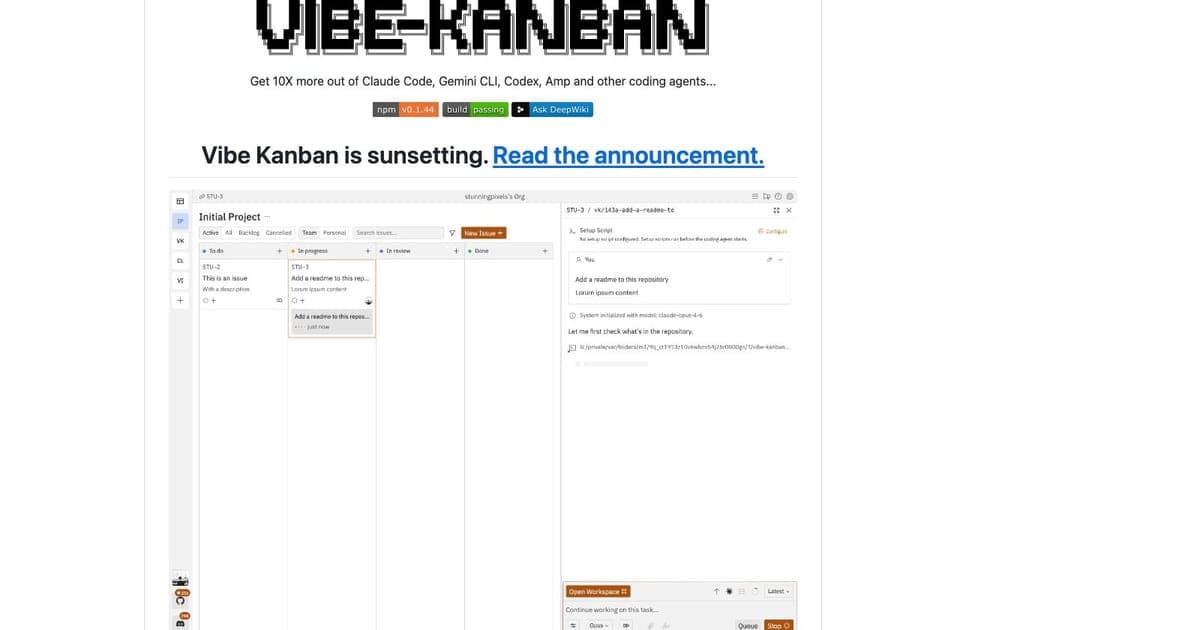

vibe kanban
Open-source kanban board for orchestrating AI coding agents. Plan tasks as issues, run Claude Code, Codex, or Gemini CLI in isolated git worktrees, review diffs inline, and open pull requests from one local UI. The company behind it (bloop) shut down in April 2026, but the project lives on as community-maintained open source and local workspaces keep working.
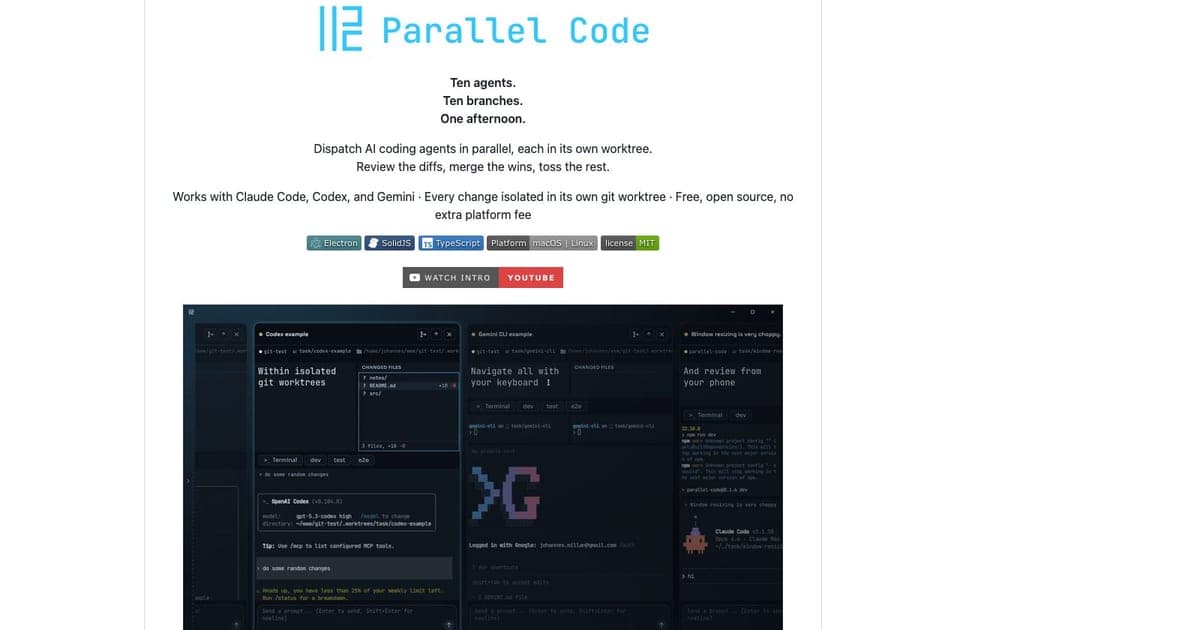
parallel code
Free, open-source desktop app that dispatches AI coding agents in parallel, each in its own git worktree. It runs the real CLI agents you already trust (Claude Code, Codex, Gemini) side by side, then lets you review the diffs, merge the wins, and toss the rest.
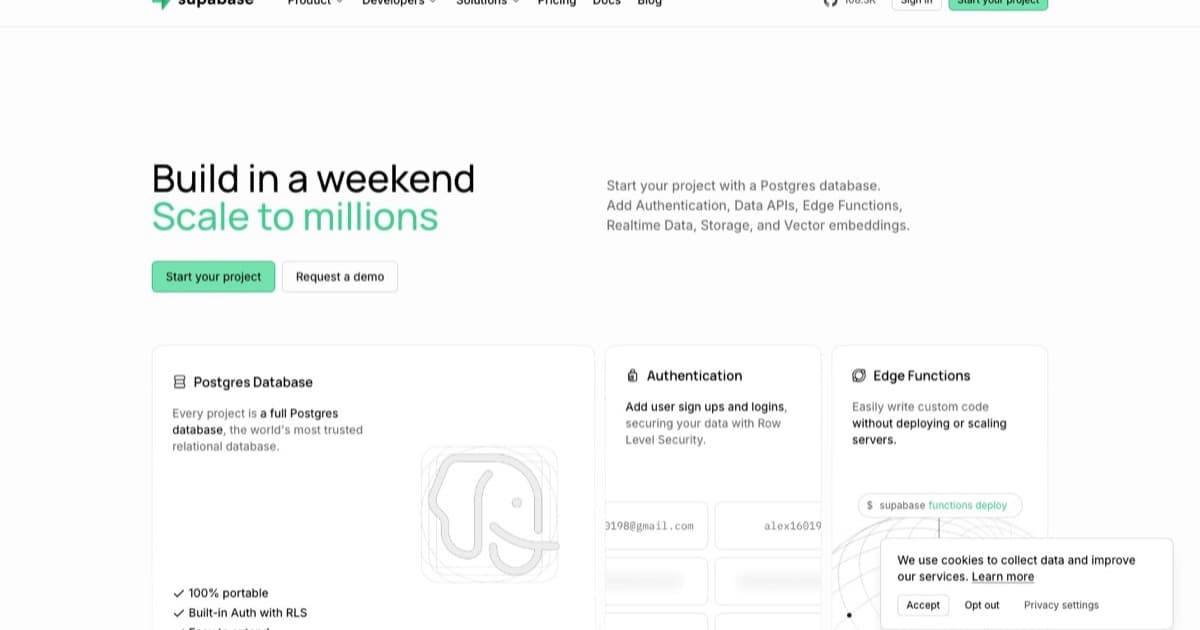
supabase
Open-source Firebase alternative built on Postgres. Supabase combines database, auth, storage, edge functions, realtime sync, and AI-ready vectors into a single backend platform for shipping full-stack products fast.
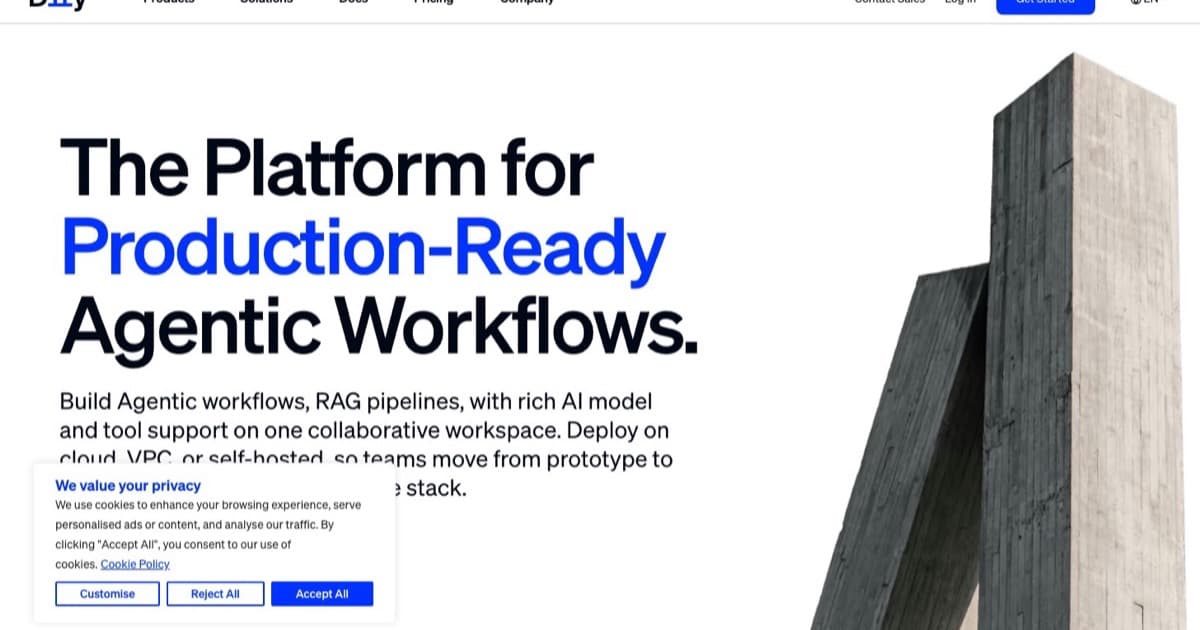
dify
Visual platform for building LLM-powered applications, RAG pipelines, chatbots, agents, and workflows; without deep ML expertise. Self-hostable or cloud, with 154,000+ GitHub stars.


crewai
Python framework for orchestrating role-playing AI agents that collaborate to complete complex tasks. Define a crew of specialized agents with goals and tools, then let them work together autonomously. 54,000+ GitHub stars and a thriving enterprise tier.
openclaw
Free, open-source personal AI assistant by Peter Steinberger that runs on your machine and performs real tasks autonomously. Talk to it from WhatsApp, Telegram, iMessage, Discord, Slack, or Signal. One-liner install, persistent local memory, ClawHub skills marketplace, sandbox or full system access, and support for Claude, OpenAI, DeepSeek, Qwen, or local LLMs via Ollama. 247K GitHub stars by March 2026; Steinberger joined OpenAI on February 14, 2026 with a non-profit foundation taking project stewardship.
hermes agent
Self-hosted autonomous agent from Nous Research with a built-in learning loop. Creates skills from experience, persists memory across sessions, and runs 24/7 on your own hardware with sandboxed terminals and messaging-app gateways.
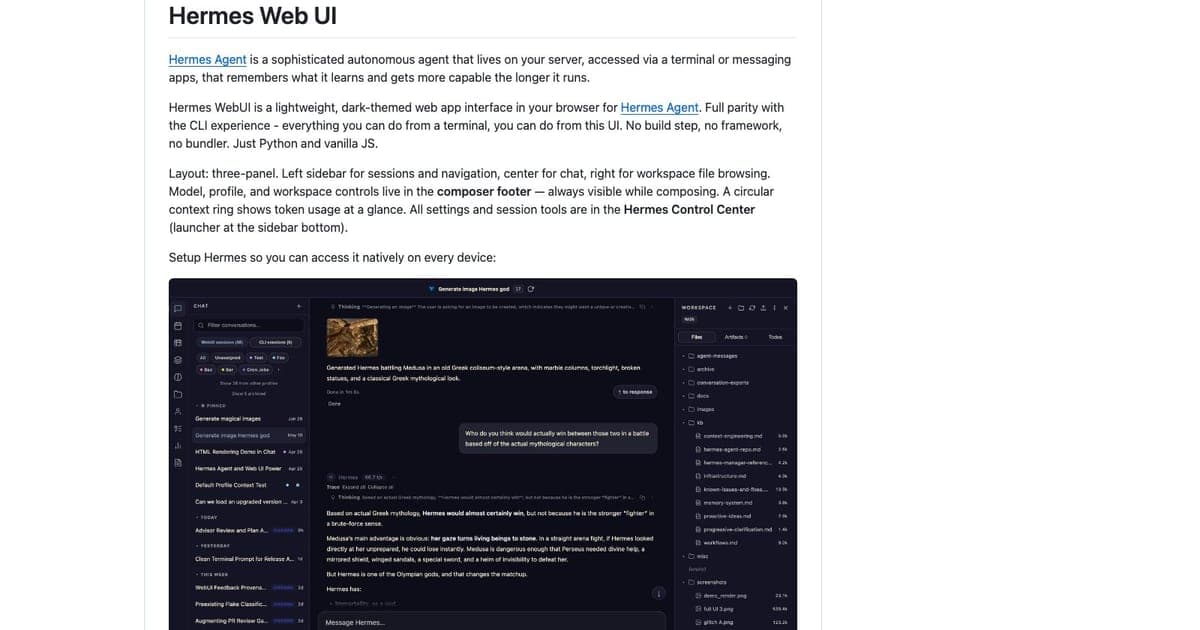
hermes webui
Lightweight dark-themed browser interface for Hermes Agent with full parity to the CLI. Three-panel layout with sessions sidebar, chat, and workspace file browser. Community project that runs against any existing Hermes install.

deerflow
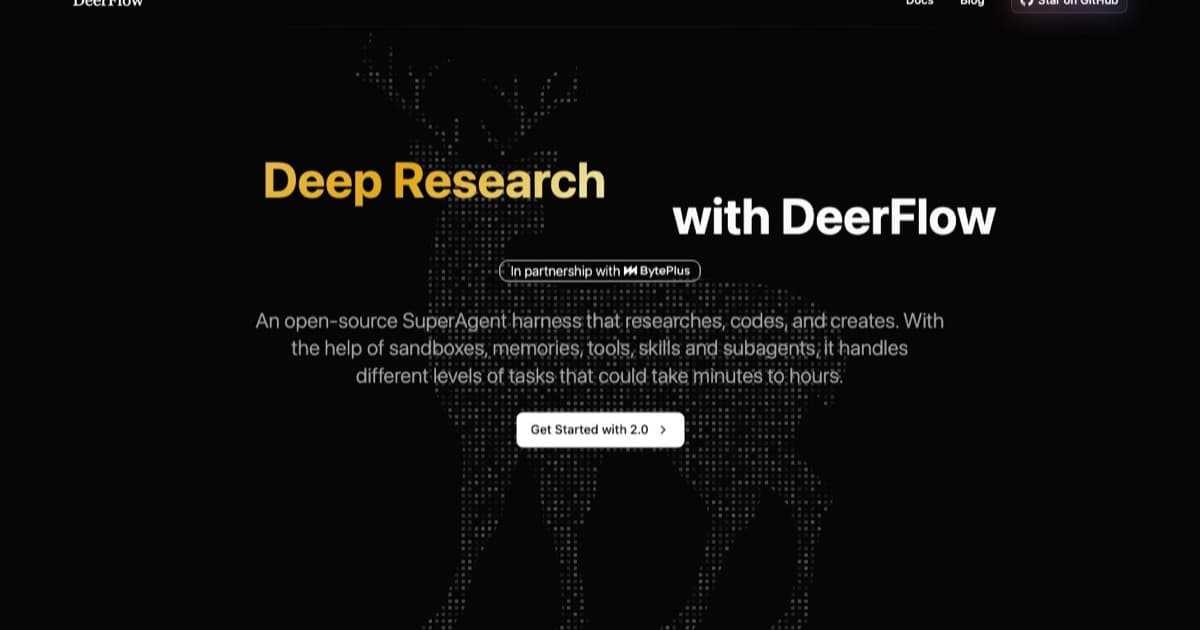
Open-source SuperAgent harness from ByteDance that orchestrates sub-agents, long-term memory, extensible skills, and Docker-based sandboxes to execute complex, long-horizon tasks like deep research, coding, and content creation.

one
Integration runtime and command center for AI agents. Provides authenticated access to 250+ platforms with 47,500+ actions, managed OAuth, scheduling, memory, and a universal MCP server, all through a single CLI.

paperclip
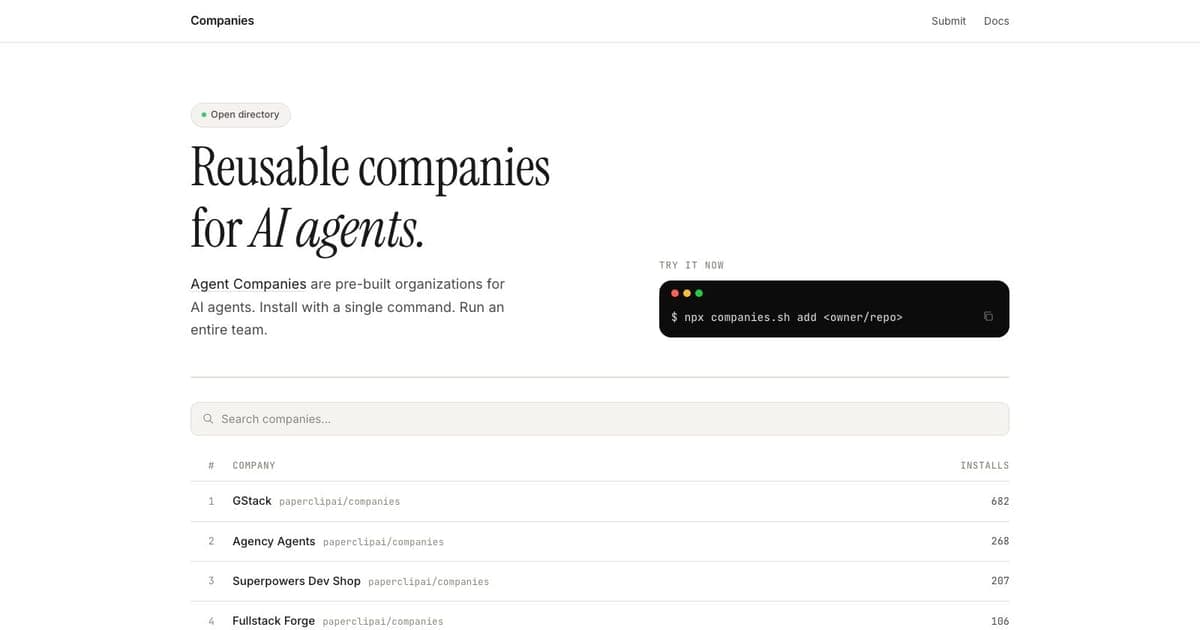
Open-source framework for building AI agent teams organized as virtual companies, CEO, Engineer, and QA agents coordinate work through projects, issues, and heartbeat schedules.

openhands
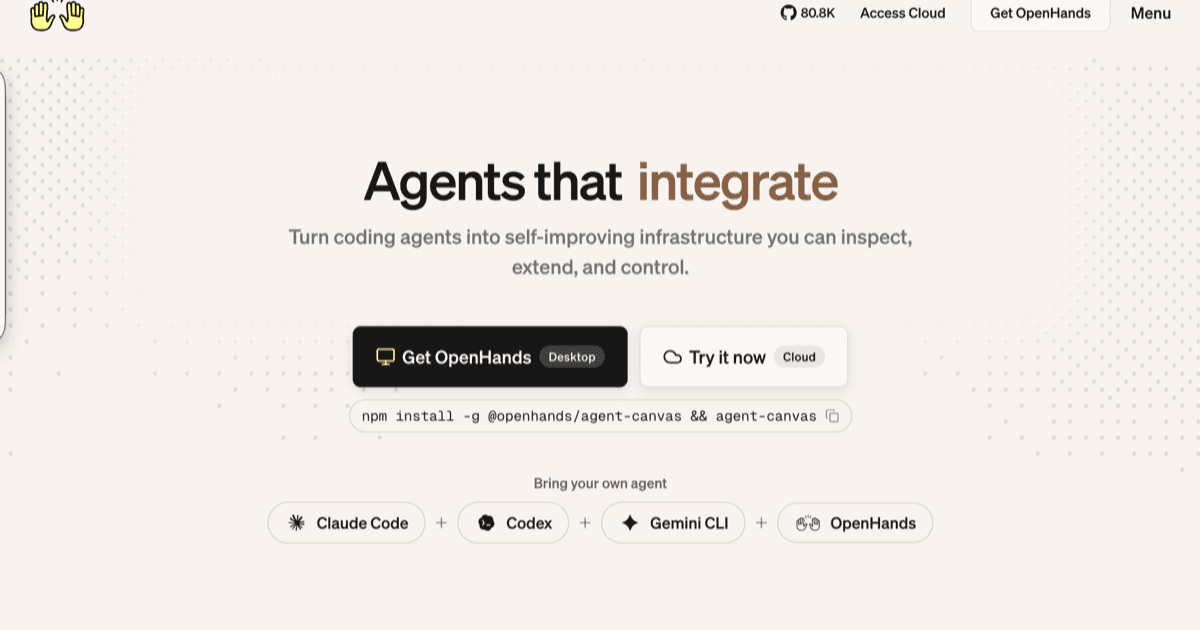
Open-source AI software engineering agent (formerly OpenDevin) that browses the web, writes and executes code, runs bash commands, and resolves GitHub issues autonomously. Backed by All Hands AI and supported by 55k+ GitHub stars.

autogen
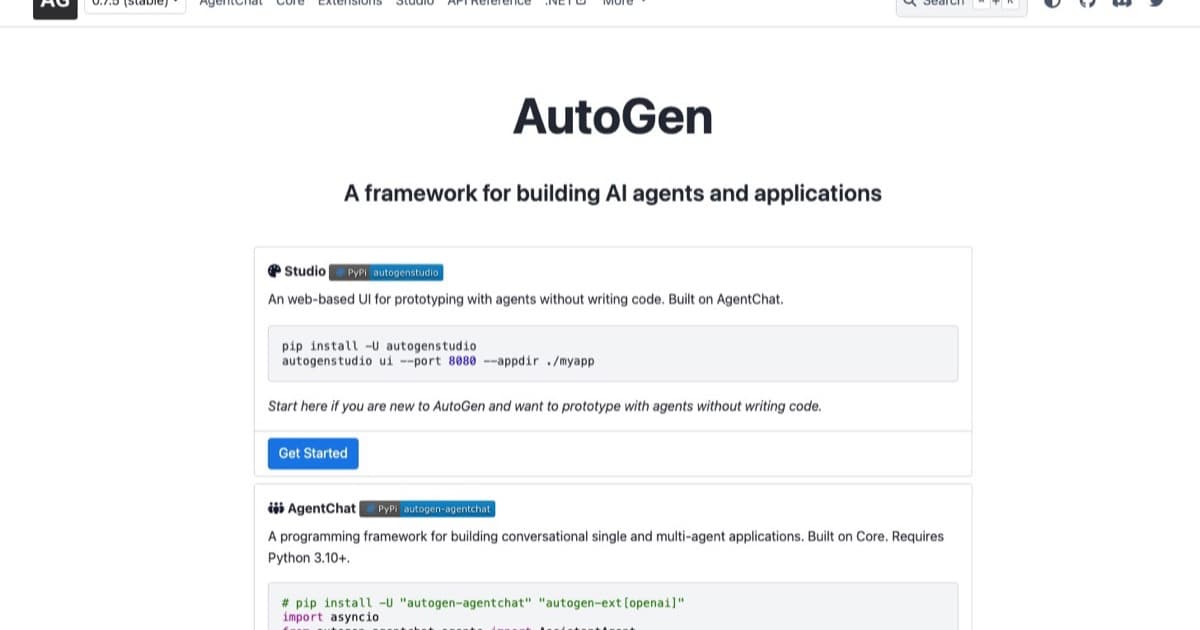
Open-source Python framework from Microsoft Research for building multi-agent AI systems (now AG2). Agents converse, write and execute code, call tools, and collaborate to solve complex tasks, with human-in-the-loop support.
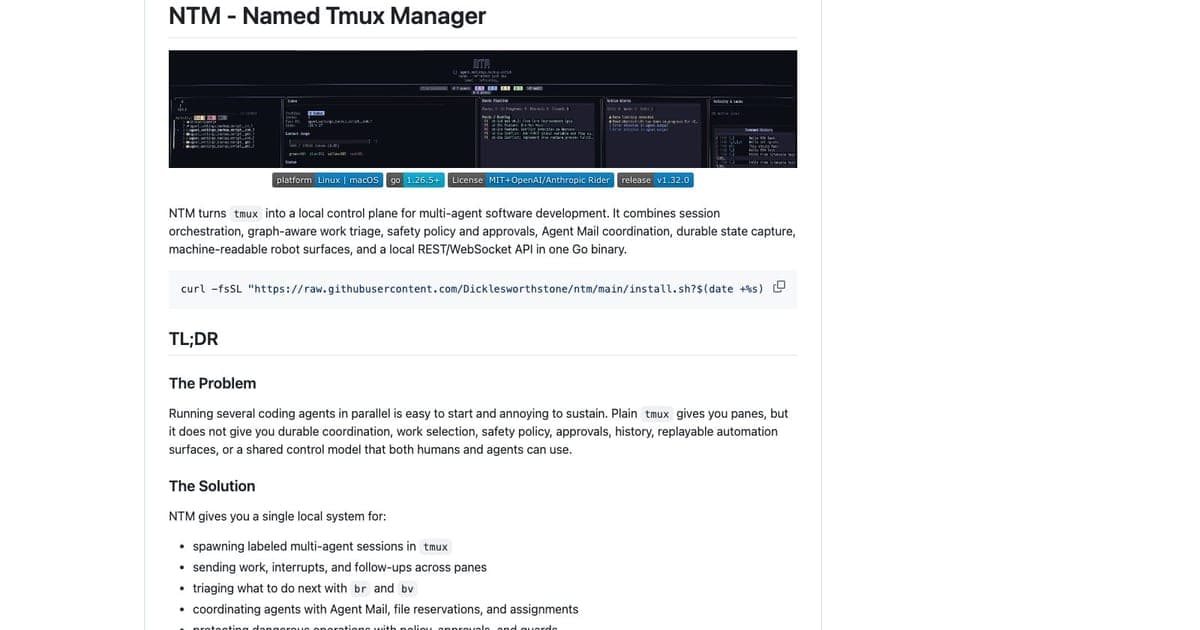

ntm (named tmux manager)
NTM (Named Tmux Manager) is a free, open-source tool that transforms tmux into a multi-agent command center. Spawn, tile, and coordinate Claude Code, OpenAI Codex, and Gemini CLI agents across named panes with broadcast prompts, a TUI command palette, conflict tracking, context monitoring, and persistent sessions that survive SSH disconnections.
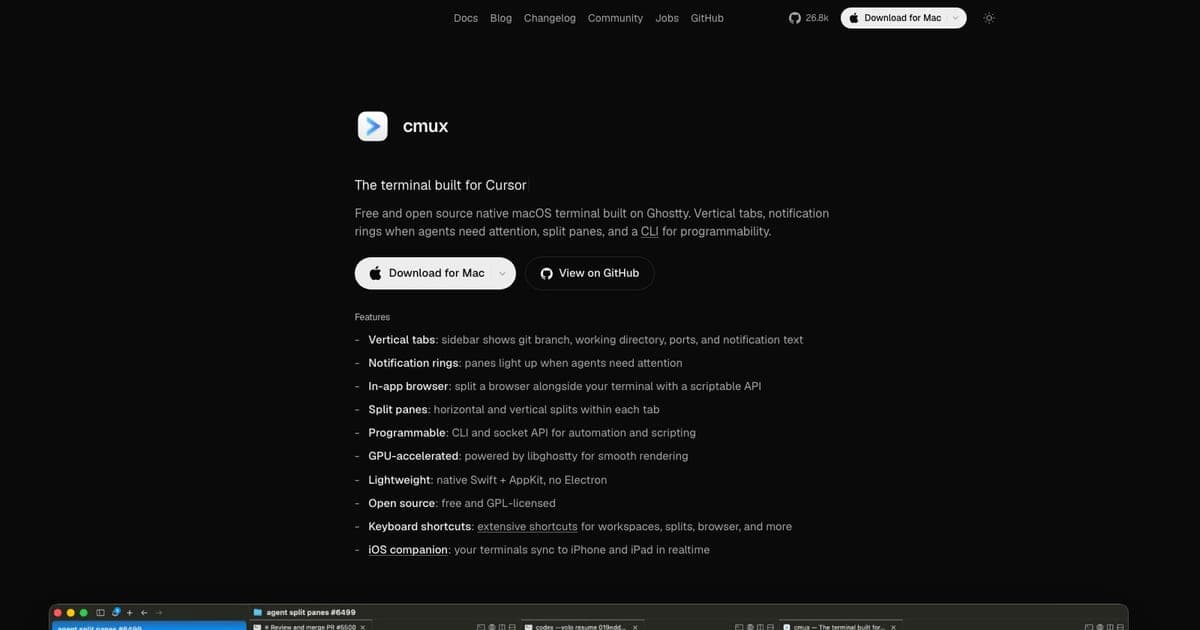
cmux
cmux is a free, open-source native macOS terminal built on libghostty (Ghostty rendering engine) with vertical tabs, split panes, notification rings, and a built-in scriptable browser, designed for managing multiple parallel AI coding agents like Claude Code, Codex, and Gemini CLI.
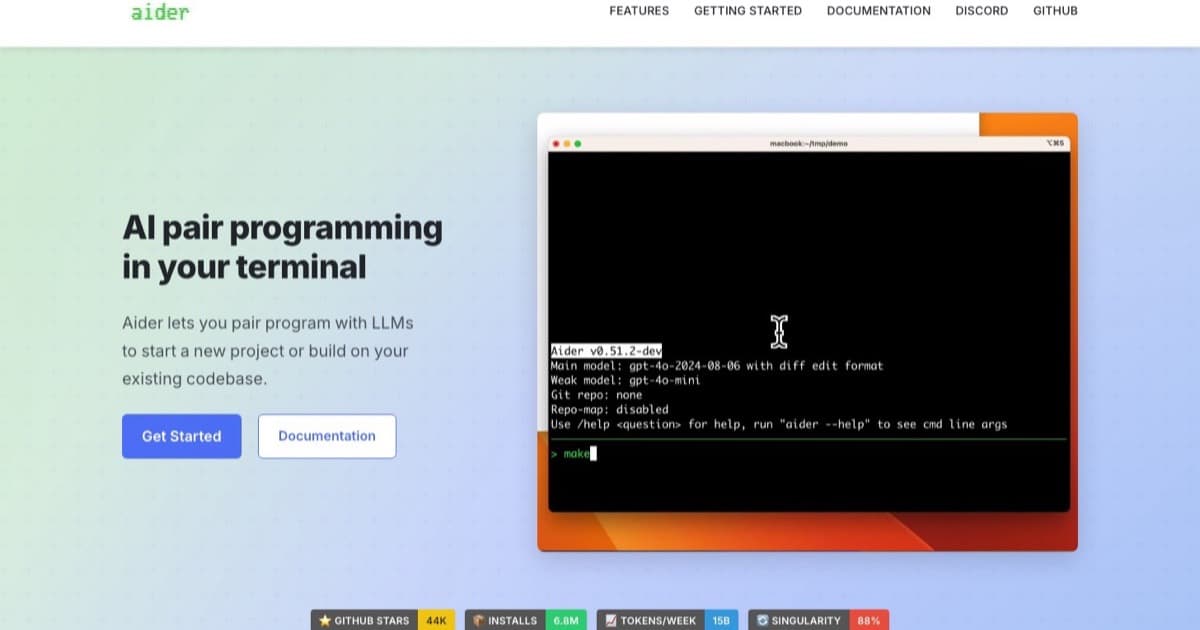
aider
Top-tier command line AI tool. Lets you pair program with LLMs (Claude 3.5, GPT-4o) directly in your git repo. Edits multiple files effectively.
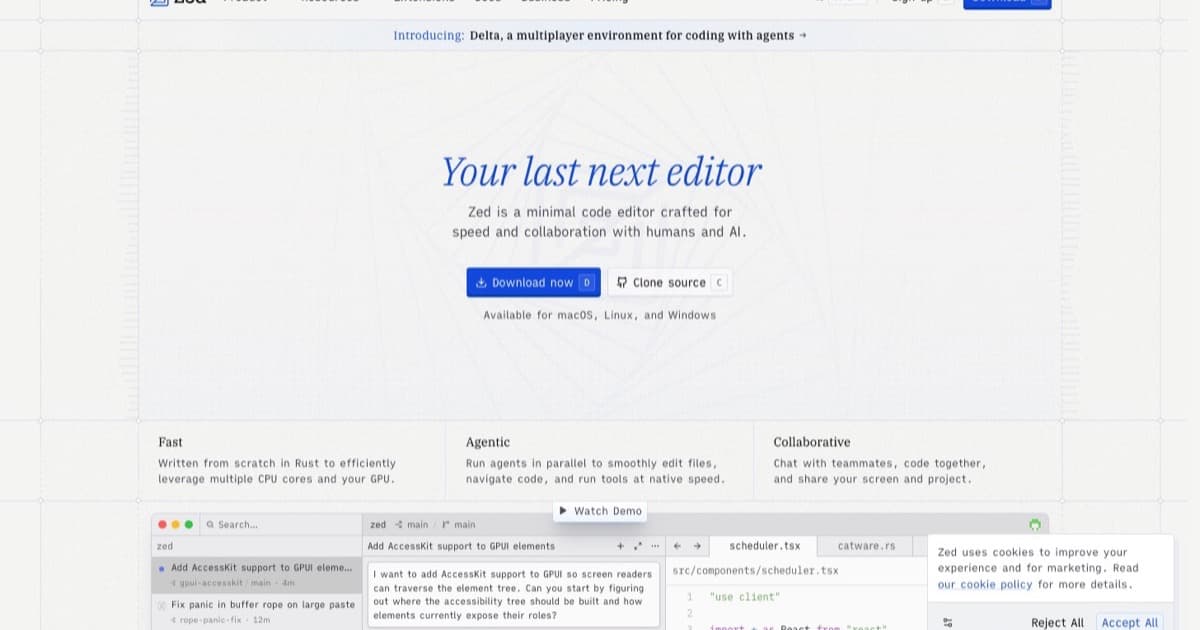

zed
The spiritual successor to Atom, built in Rust for extreme performance. Features built-in AI collaboration and supports multiple LLMs (Claude, OpenAI, etc.).

roo code
Support ended 15 May 2026 · vendor points to Cline
Open-source VS Code extension that gives you a full AI dev team in your editor. Supports any model (Claude, GPT, Gemini, local LLMs), custom modes for specialized tasks, and agentic multi-file editing with permission-based control.


openai codex cli
The official command-line vibe coding tool from OpenAI. Edits local files, understands your repo, and runs shell commands with your permission. Like Aider, but built by OpenAI.

vibesdk
Open-source AI "vibe coding" platform built on Cloudflare. Generate full-stack apps from prompts, sandboxed in WebContainers, and deploy instantly to Workers. The self-hosted alternative to Bolt.new.
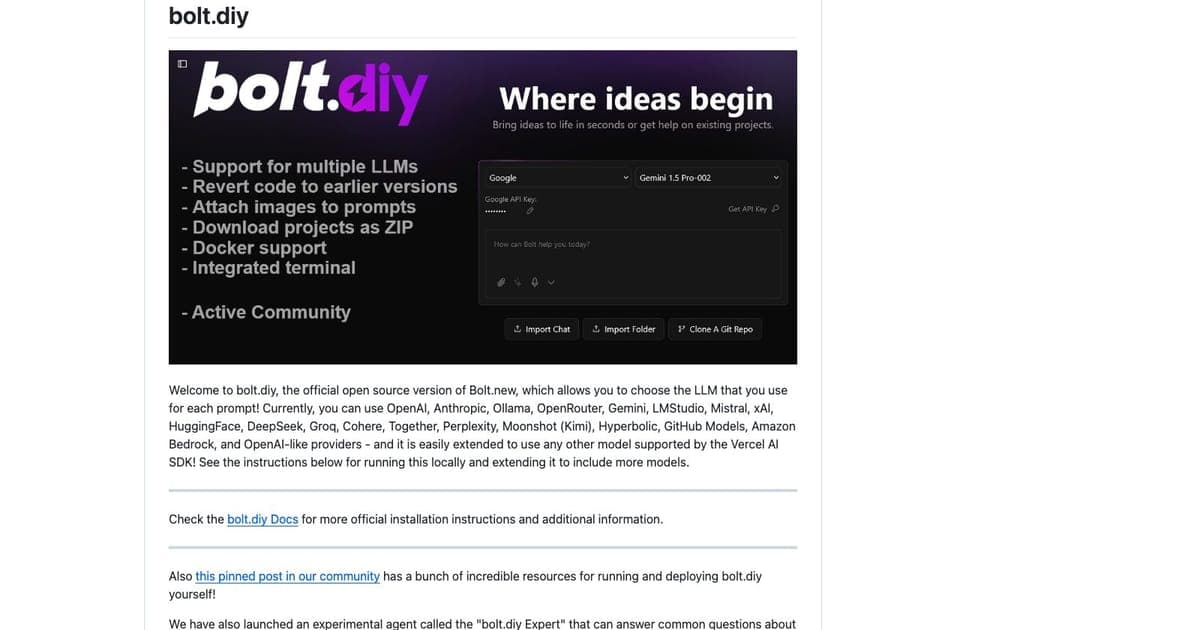

bolt.diy
Open-source platform for prompting, running, editing, and deploying full-stack web apps with multiple model providers.

devika
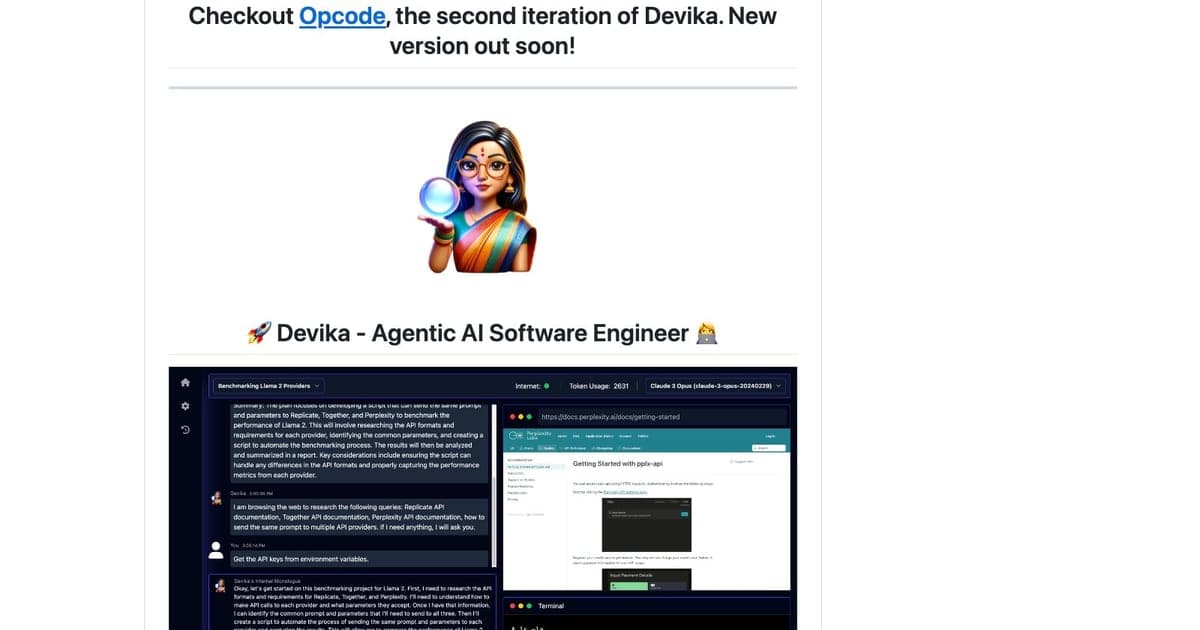
Open-source AI agent that breaks down tasks into steps and executes them using LLMs and tools.

qwen3-coder
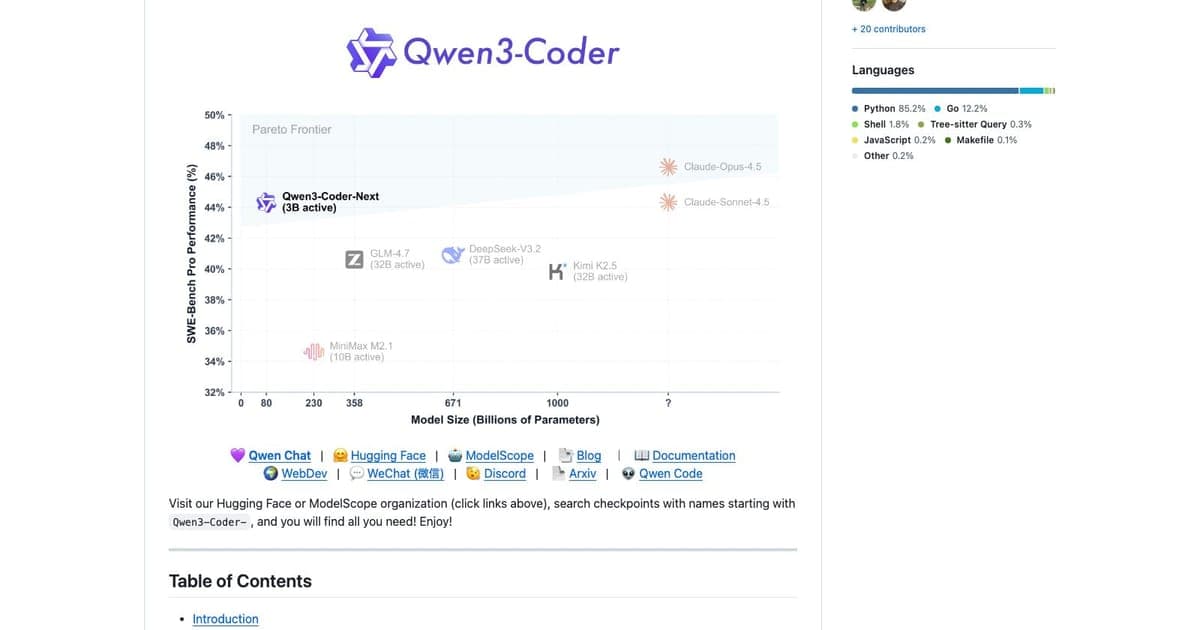
Alibaba's powerful open-source model (Unsloth optimized). Capable of handling huge monorepos with massive context windows. Run it locally or on private cloud.

goose
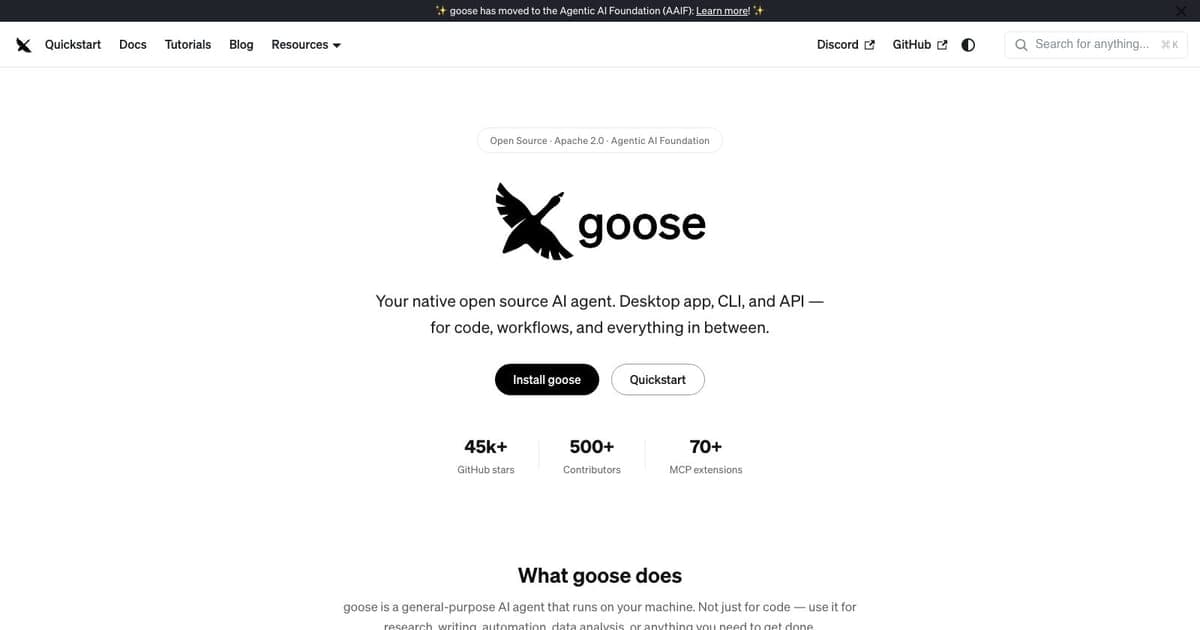
Open-source AI agent that runs locally for improved privacy and control.
render
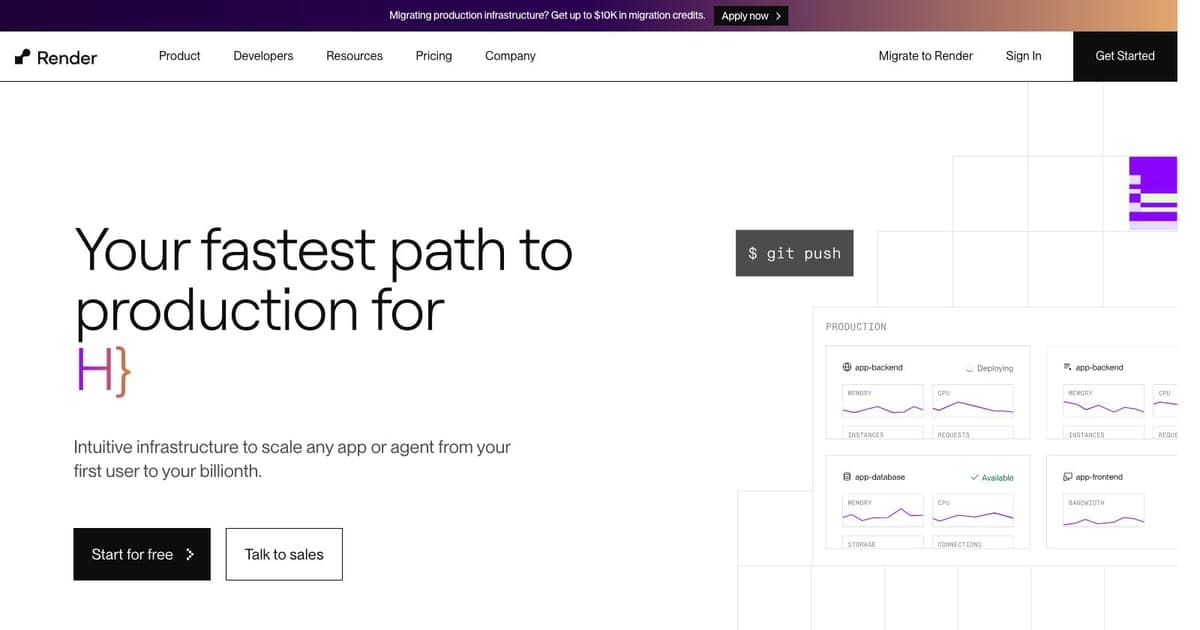
Cloud platform for deploying web services, static sites, background workers, cron jobs, and managed PostgreSQL, all with flat monthly pricing and a generous free tier. Render supports auto-deploys from Git, built-in SSL, and private networking with zero DevOps configuration.
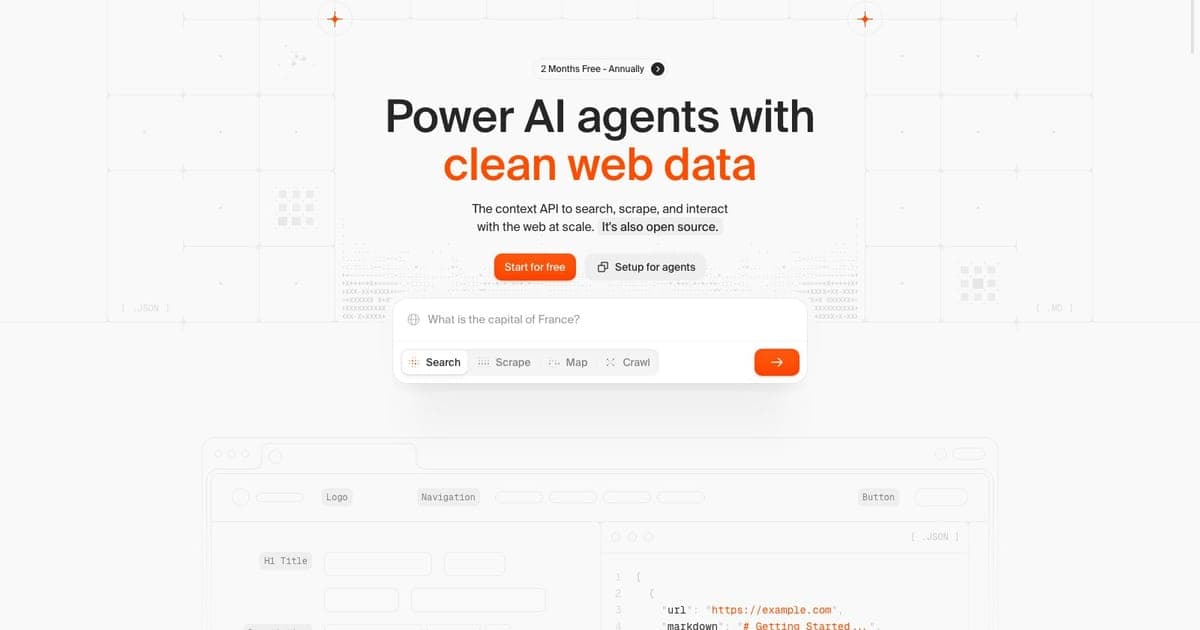
firecrawl
Web scraping API that converts any webpage into clean Markdown or structured JSON for AI consumption. Features intelligent crawling, AI-powered extraction, and JavaScript rendering for building AI-ready data pipelines.
gpt engineer
Open-source CLI tool that generates entire codebases from natural-language prompts. Supports OpenAI, Anthropic, and open-source models with customizable agent identity and vision input for diagrams.
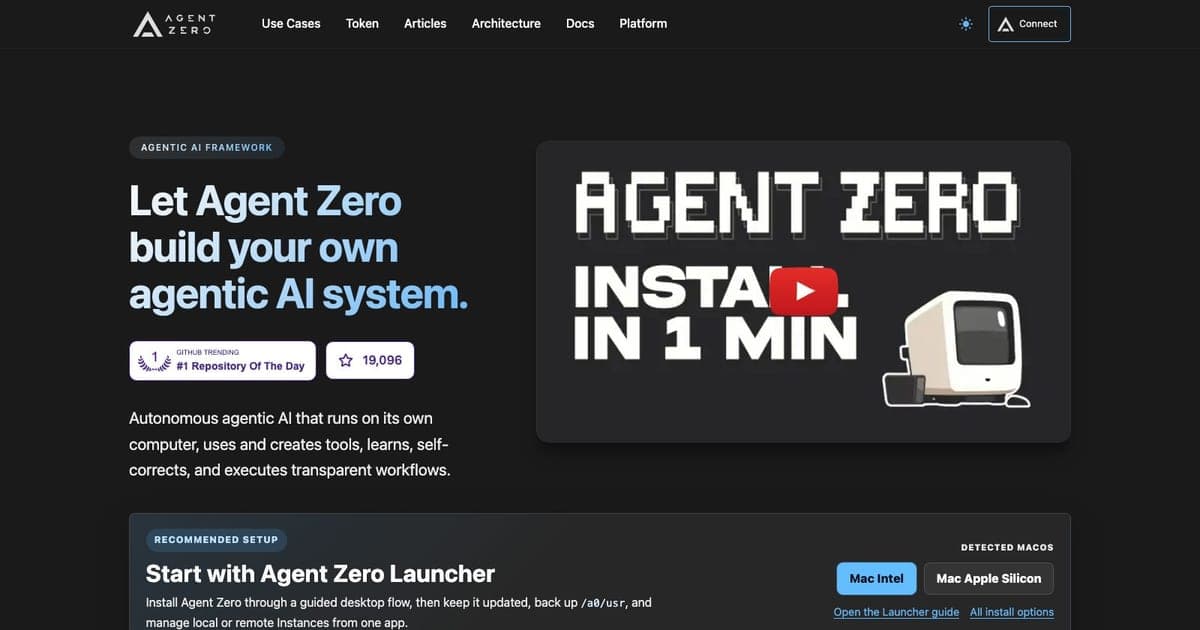

agent zero
Open-source multi-agent AI framework that runs in a Dockerized sandbox with code execution, browser automation, subordinate agents, and a memory system for building autonomous coding and research workflows.
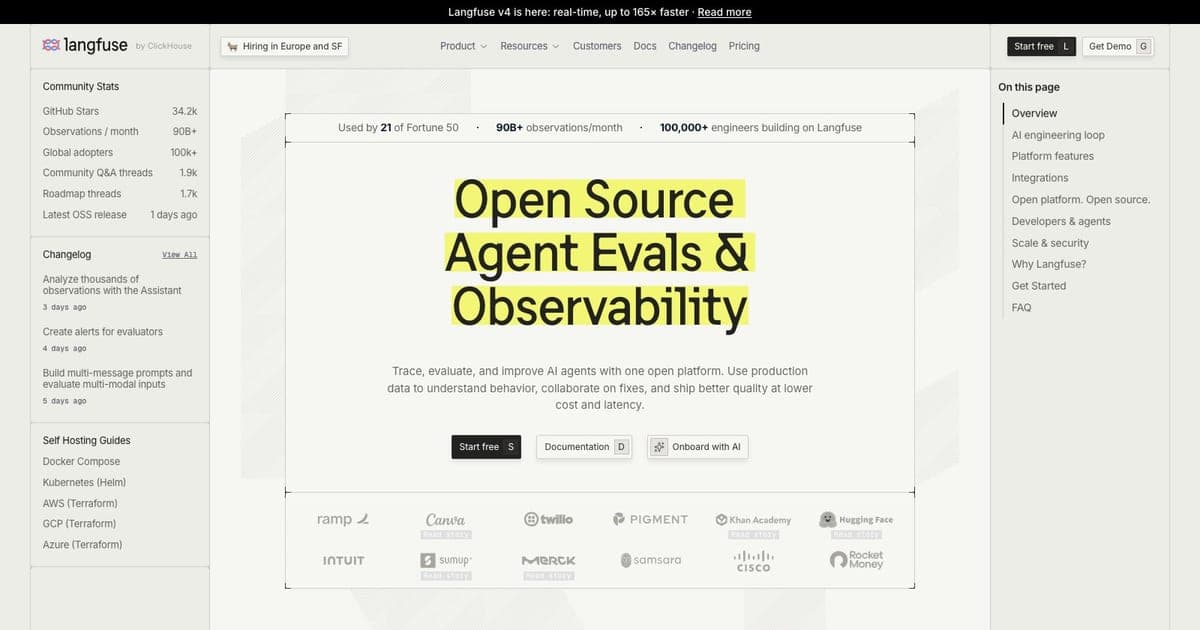
langfuse
Open-source LLM observability and engineering platform for tracing, evaluating, and debugging AI applications. Langfuse provides production-grade monitoring with trace spans, cost tracking, prompt management, evaluation datasets, and a playground, all with no per-seat fees and a self-hostable MIT-licensed core.
semantic kernel
Open-source SDK from Microsoft for integrating LLMs into applications using C#, Python, and Java. Semantic Kernel provides an agent framework, plugin architecture, prompt template engine, planner, and memory connectors, designed for enterprise AI orchestration with Azure OpenAI and other providers.
continue.dev
Open-source CLI tool for Continuous AI that runs async agents on pull requests to enforce team rules, catch issues, and accelerate software shipping.
Related Articles
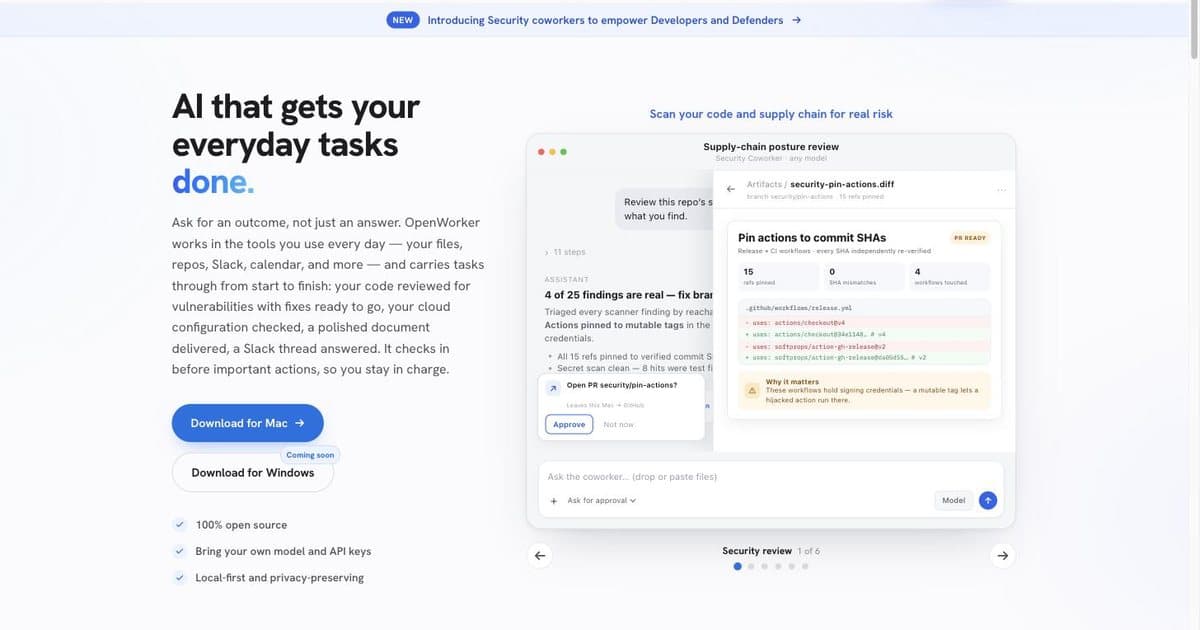
AI Agent Code Security Scanning: How to Check Code You Did Not Write
You shipped something an AI wrote and nobody reviewed it. Here is the five-minute free check, the tools worth paying for, and the point where scanning stops helping.

Best Claude Code Alternatives (2026)
Claude Code is included in the Anthropic Pro plan; an earlier version of this page said otherwise and was wrong. The alternatives are still worth knowing: Cursor, Lovable, Codex CLI, Cline, Aider, Continue.dev and the local Ollama stack, ranked by fit with pricing and a decision tree.
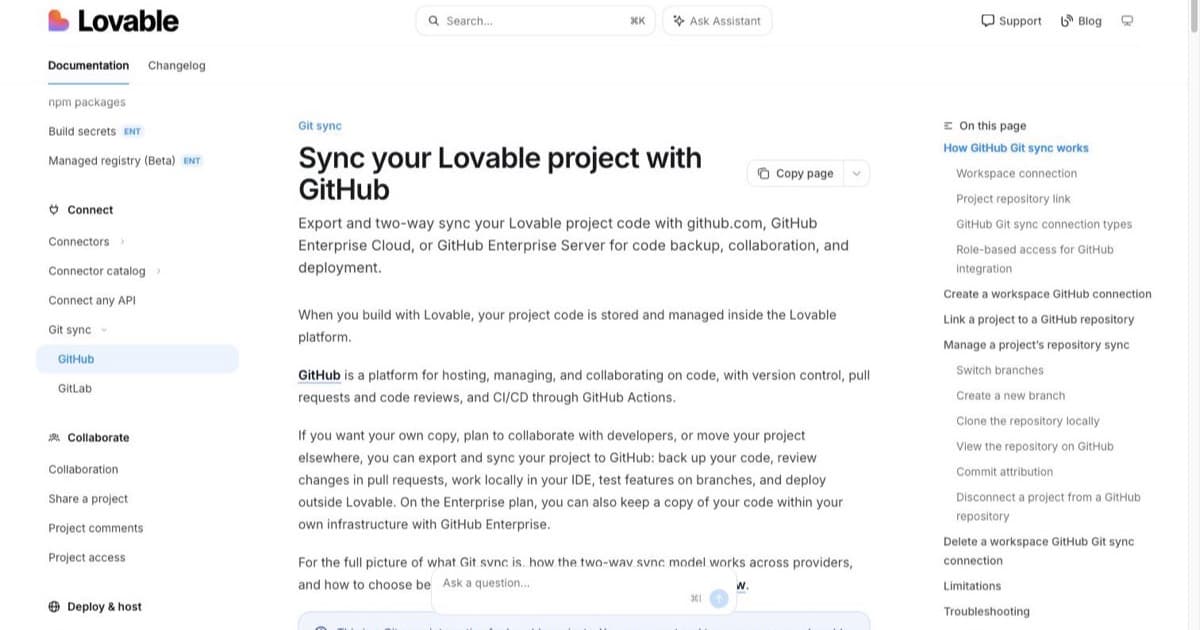
Export Lovable Code to GitHub (2026): Own Your App in Ten Minutes
How to connect Lovable's GitHub sync, what actually lands in the repo, where secrets and database data do NOT go, and the prove-it checklist that confirms the code runs without Lovable.

Agentic Engineering Tools 2026: The Stack, Layer by Layer, With Prices
The agentic engineering stack for 2026 in four layers: coding agents, orchestration frameworks, data and memory, observability. Live prices for Claude Code, Cursor, Codex, CrewAI, LangGraph, LangSmith and LlamaCloud, plus starter stacks by team size.

Best MCP Servers for Coding: The 4 to Install First
Most MCP roundups list thirty servers. Four do the real work. The starter stack for coding agents, with verified install commands and honest caveats.

OpenClaw Guide 2026: Install, Configure, and Run a Self-Hosted AI Agent
OpenClaw setup guide for v2026.3.23: prerequisites, one-liner install, model and messaging app configuration, cost breakdown, and troubleshooting for common 2026 issues.