
Guide
Mar 18, 2026
Guide
Best AI IDEs & Autonomous Coding Agents (2026)
Compare the top AI-native code editors and autonomous agents for 2026. From Cursor and Windsurf to Cline, Devin, and Claude Code, find the right tool for how you work.
AI developer IDEs and autonomous agents are tools that integrate large language models directly into the coding experience, from intelligent autocomplete and multi-file editing to fully autonomous task execution across entire codebases.





In 2026, the definition of an Integrated Development Environment (IDE) has shifted from a simple code editor to a fully autonomous partner. The best AI developer IDEs and agents don't just autocomplete syntax; they understand your entire codebase, refactor complex logic, and even implement entire features with minimal human oversight. This category has exploded: from AI-native IDEs like Cursor and Windsurf, to CLI agents like Claude Code and Aider, to VS Code extension agents like Cline and Roo Code. Whether you want to replace your editor or enhance it, this directory covers every major AI development tool available.
Category pages map the full market. If you want a curated shortlist with ranked picks, read Best Developer IDEs & Agents.
Compare the top AI-native code editors and autonomous agents for 2026. From Cursor and Windsurf to Cline, Devin, and Claude Code, find the right tool for how you work.
<strong>Cursor</strong> is the overall leader for most developers, fast autocomplete, powerful Composer mode, and VS Code compatibility. <strong>Claude Code</strong> leads benchmarks for terminal-native power users. <strong>Windsurf</strong> excels at large codebases with its Cascade agent. For VS Code loyalists, <strong>Cline</strong> and <strong>Roo Code</strong> bring agentic capabilities without switching editors. For enterprise, <strong>Devin</strong> and <strong>Amazon Q Developer</strong> handle full task autonomy. The smartest approach in 2026 isn't picking one tool; it's combining them: Copilot for autocomplete, Cursor or Claude Code for complex tasks, and a review tool to verify the output.
If you want to start fast, try Cursor, Google AntiGravity and Devin Desktop (formerly Windsurf).
The biggest question developers face in 2026 isn't which AI tool to use; it's what kind of AI tool fits their workflow. The landscape has split into three distinct categories, each with different strengths.
Tools like Cursor, Windsurf, and Trae replace your editor entirely. They fork VS Code (so your extensions still work) but weave AI into every interaction, autocomplete, multi-file editing, inline chat, and agent mode. The advantage is seamless integration; the tradeoff is switching editors.
Best for: Developers who want the deepest possible AI integration and are willing to switch from vanilla VS Code. Cursor's Composer and Tab features remain the benchmark for "human-in-the-loop" coding speed.
Claude Code, Aider, and OpenAI Codex CLI live in the terminal. You give them a goal, and they autonomously edit files, run tests, fix errors, and commit changes. Claude Code leads benchmarks with a 93% success rate on app-building tasks and benefits from extended thinking for complex reasoning.
Best for: Terminal-native developers who want to describe a task and let the agent execute it end-to-end. Particularly powerful for refactors, migrations, and multi-file changes where human steering would be tedious.
Cline, Roo Code, and Kilo Code bring agentic capabilities to your existing VS Code setup. They can create files, run terminal commands, manage multi-step tasks, and even browse the web, all without leaving your current editor. Open source, bring-your-own-key, and increasingly powerful.
Best for: Developers deeply invested in their VS Code setup who want agent capabilities without migrating to a new IDE. Cline delivers roughly 80% of Cursor's functionality as a plugin.
Devin, Amazon Q Developer, and Junie handle complete development tasks, reading tickets, planning architecture, writing code, and creating PRs. They aim to be autonomous "junior developers" that can handle routine engineering work.
Best for: Enterprise teams with ticket-driven workflows who want to delegate well-scoped engineering tasks to an AI agent.
 featured
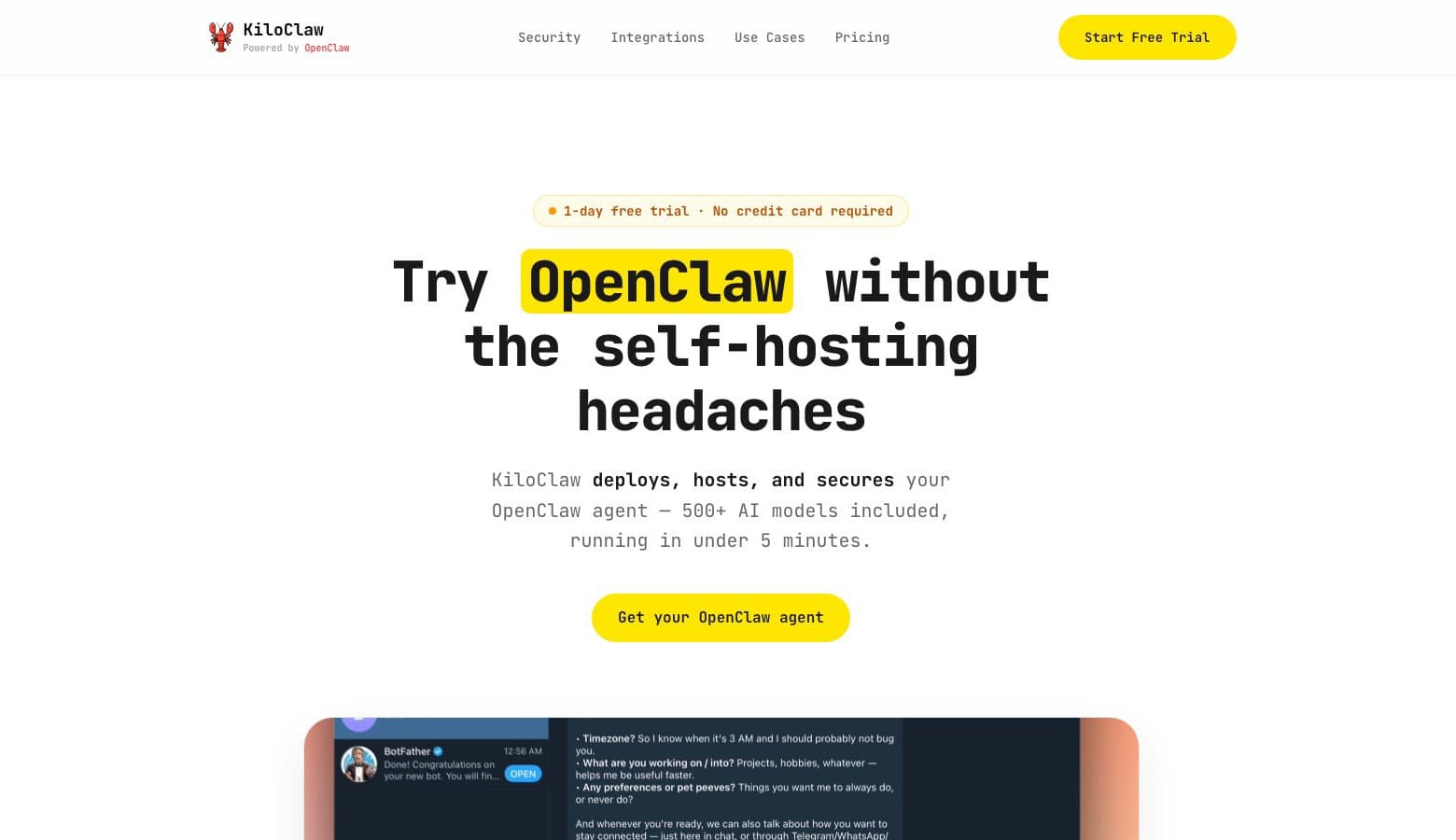
Fully managed hosting for OpenClaw, the open-source autonomous AI agent. KiloClaw reads your email, manages your calendar, monitors your projects, and talks to you wherever you already are. Each instance runs in a dedicated Firecracker VM with persistent storage, native chat-app integrations, and 500+ models via Kilo Gateway. Setup takes under 60 seconds, no Docker, SSH, or YAML required.
 new
new
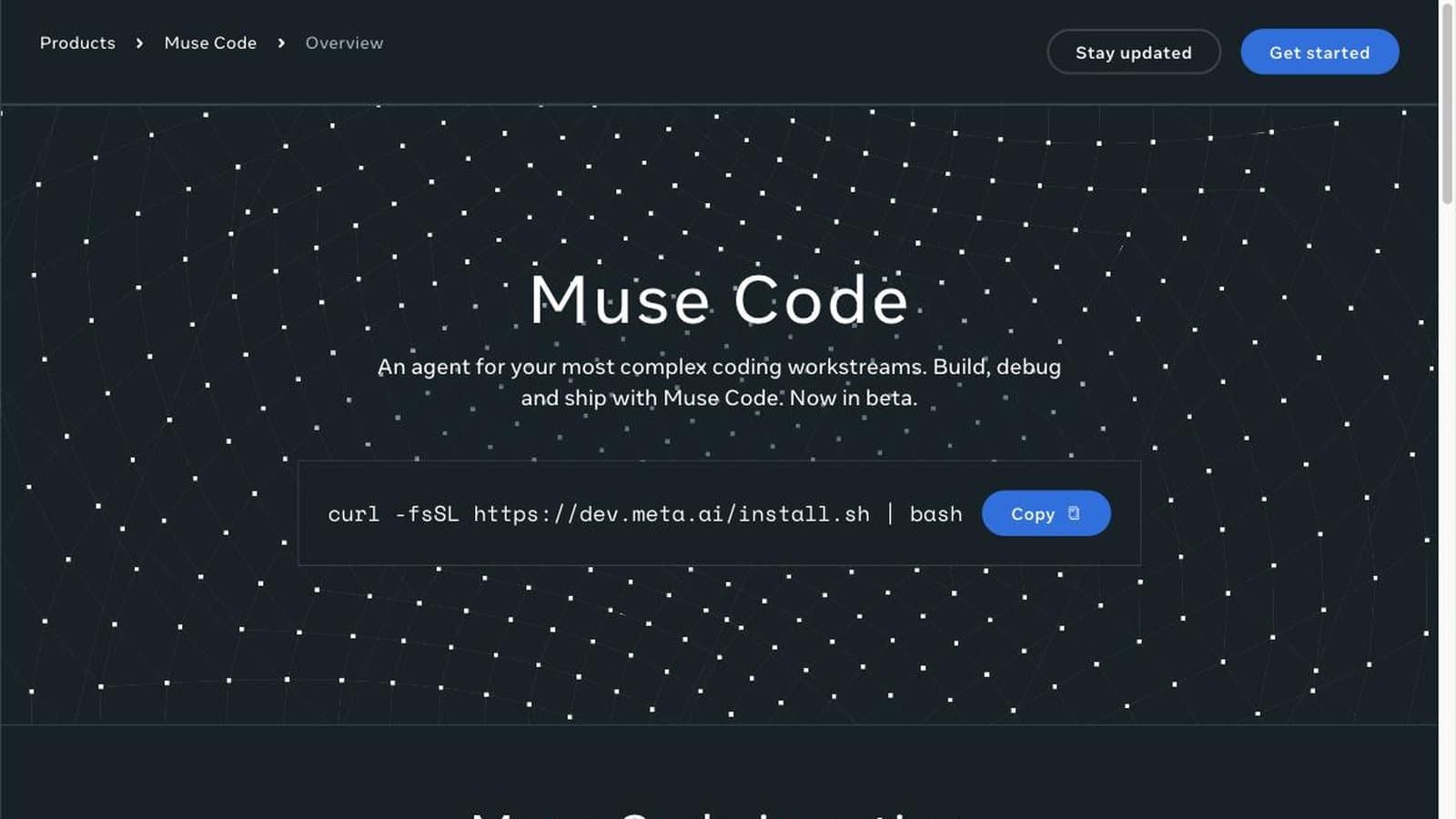
Meta's terminal coding agent, in beta since August 2026 and powered by the Muse Spark 1.2 model with a one-million-token context window. Billing is per token rather than per seat, and the pricing carries an unusual choice: a contributor tier costs a fraction of the standard one because your data is used for product improvement. Multiple agents coordinate on a task and every action is meant to be traceable.

Support ends 30 April 2027 · vendor points to Kiro
AWS's AI coding assistant for IDE and CLI workflows with code chat, suggestions, transformations, and security scanning. Being wound down: AWS states on its own product page that it "will discontinue support for Amazon Q Developer IDE plugins" on 30 April 2027, and points users to Kiro for agentic coding, chat and MCP support. The CLI and console experiences are not named in that notice. Treat this as a tool with a known end date rather than one to start a new team on.


Apache-2.0 web workspace that orchestrates Codex and Claude Code over your Git repositories in sandboxed parallel worktrees, with a PTY web terminal and a mobile companion app that picks up a session by QR code.
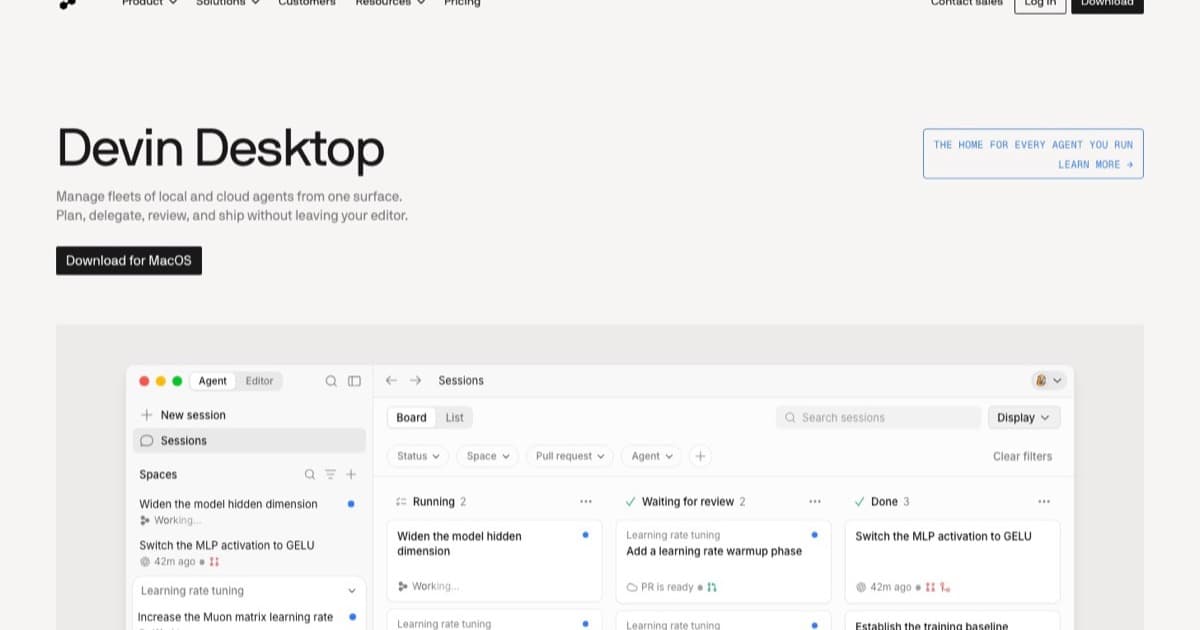

Devin Desktop (rebranded from Windsurf on June 2, 2026; originally Codeium) is Cognition's local AI coding editor. Brings the Agent Command Center, Spaces for parallel work surfaces, ACP support for plugging in Devin Cloud agents, and the SWE-1.6 proprietary model. Pairs with Devin Cloud (autonomous remote agent) and Devin CLI via the same Cognition account.
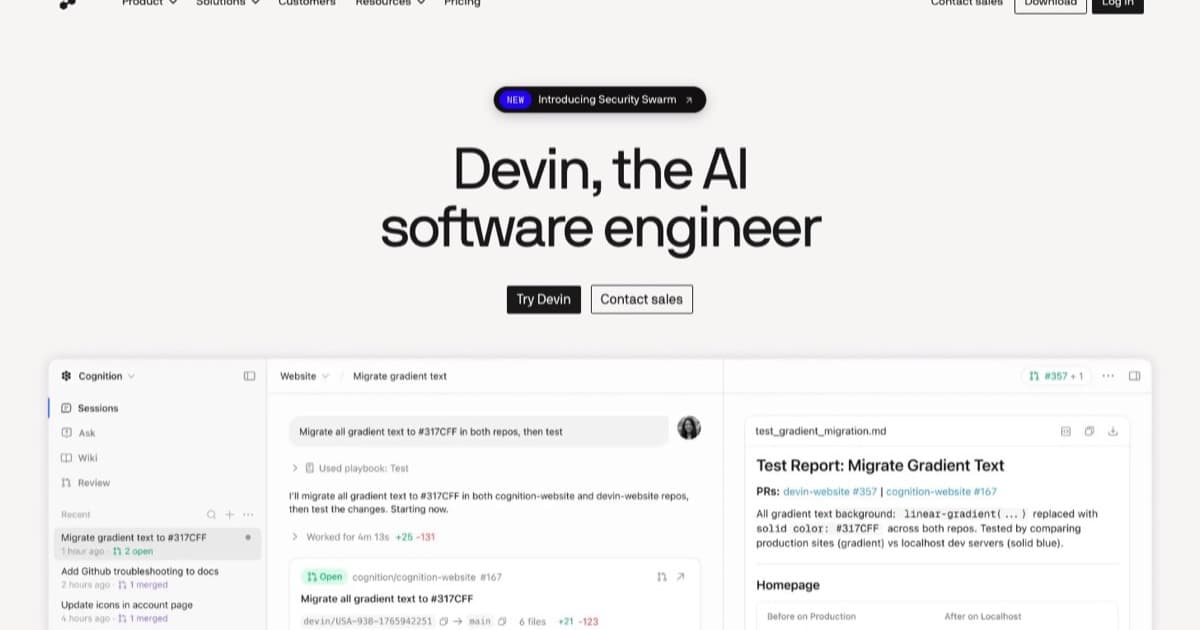

Cognition's coding agent suite. Devin Cloud is the autonomous remote engineer (plans, codes, tests, opens PRs). Devin Desktop (formerly Windsurf, rebranded June 2026) is the local AI editor with the Agent Command Center, Spaces, and ACP support. Devin CLI brings the same agent into the terminal. All three share one Cognition account and the SWE-1.6 proprietary model.


Google's agentic development platform, now split across four surfaces: the Antigravity IDE (VS Code fork), Antigravity 2.0 standalone desktop, the Go-based Antigravity CLI, and a Python SDK for custom agents.
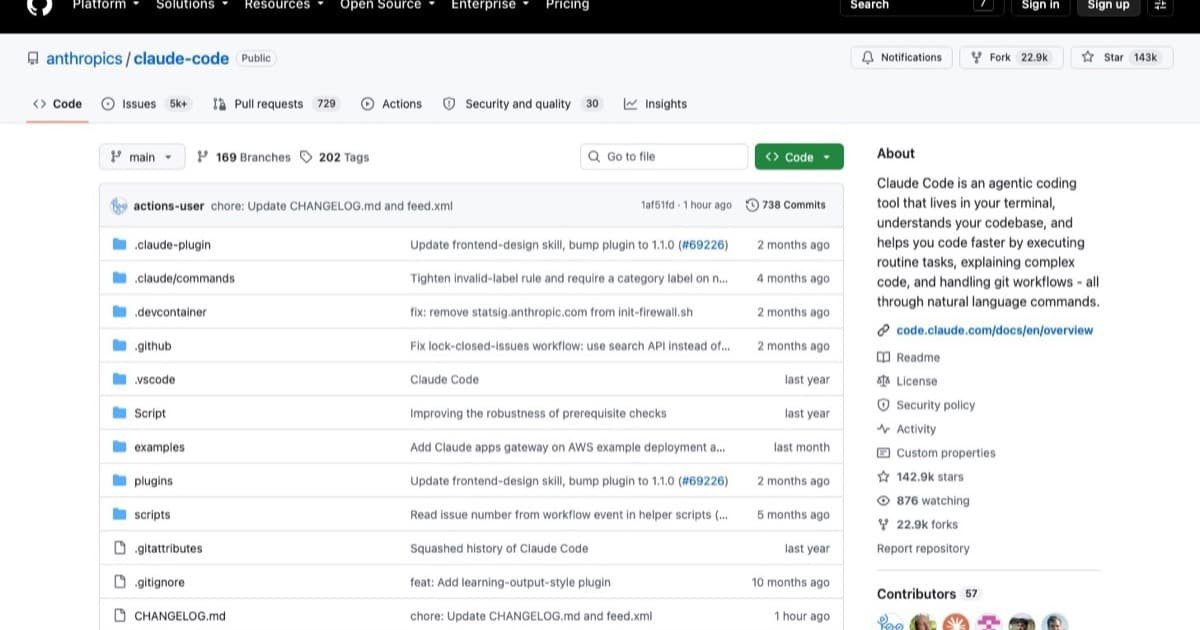

Anthropic's official terminal-based agentic coding tool that deeply understands your local codebase, autonomously edits files, runs terminal commands, handles git workflows, and iterates via natural language prompts. Now with Channels (Telegram/Discord remote messaging), Remote Control, Dispatch, and /loop scheduling for persistent autonomous agents. Designed for professional developers who live in the terminal.
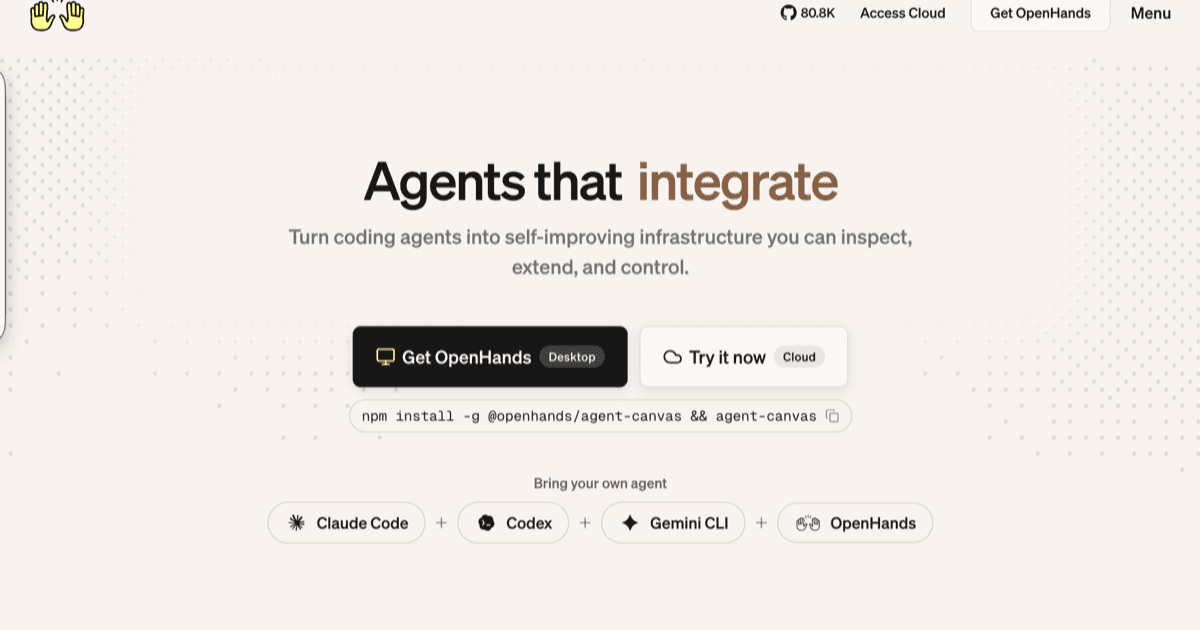

Open-source AI software engineering agent (formerly OpenDevin) that browses the web, writes and executes code, runs bash commands, and resolves GitHub issues autonomously. Backed by All Hands AI and supported by 55k+ GitHub stars.
AI platform that converts Figma designs and screenshots into clean React, Next.js, Angular, or Vue code. Visual CMS for non-technical teams to edit pages without touching code, while developers keep full control of the codebase.
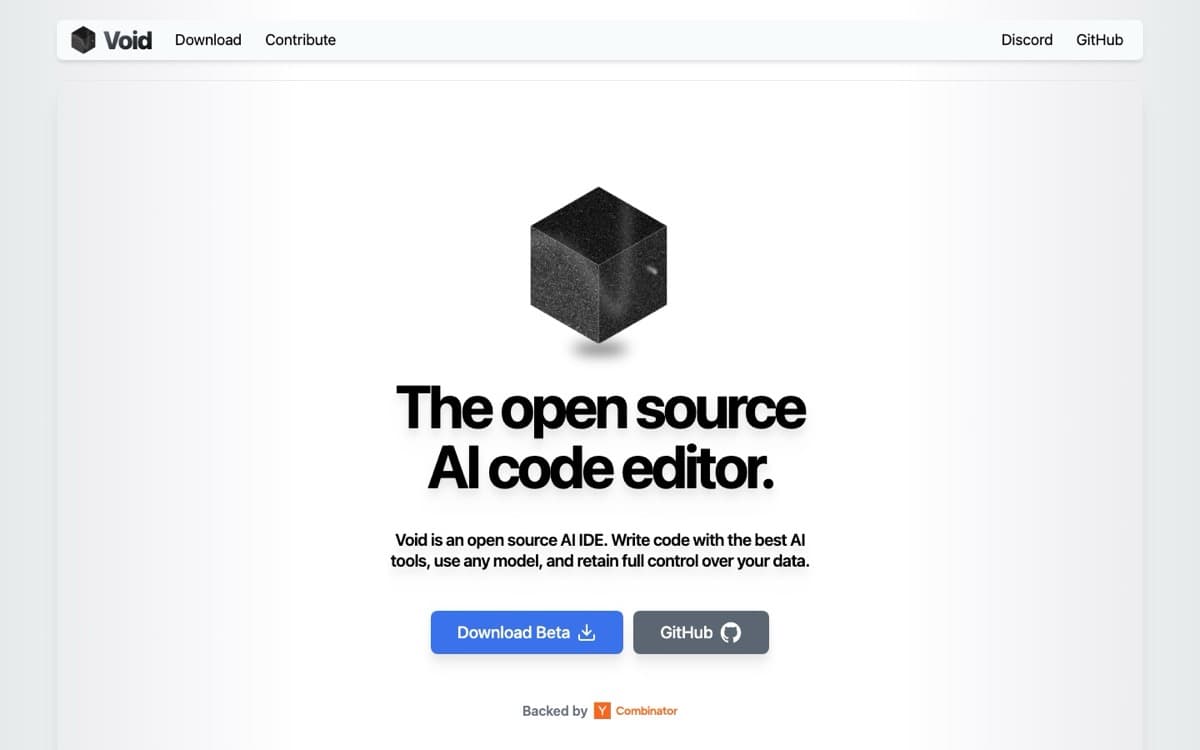
Free, open-source VS Code fork with built-in AI coding features, inline completions, chat, and multi-file edits. All model calls can go directly to your chosen provider or a local model, keeping your code private.
Open-source AI code editor built on VS Code that integrates Claude, GPT-4o, and other frontier models directly into your workflow. Free plan available; premium adds unlimited AI requests and cloud sync.
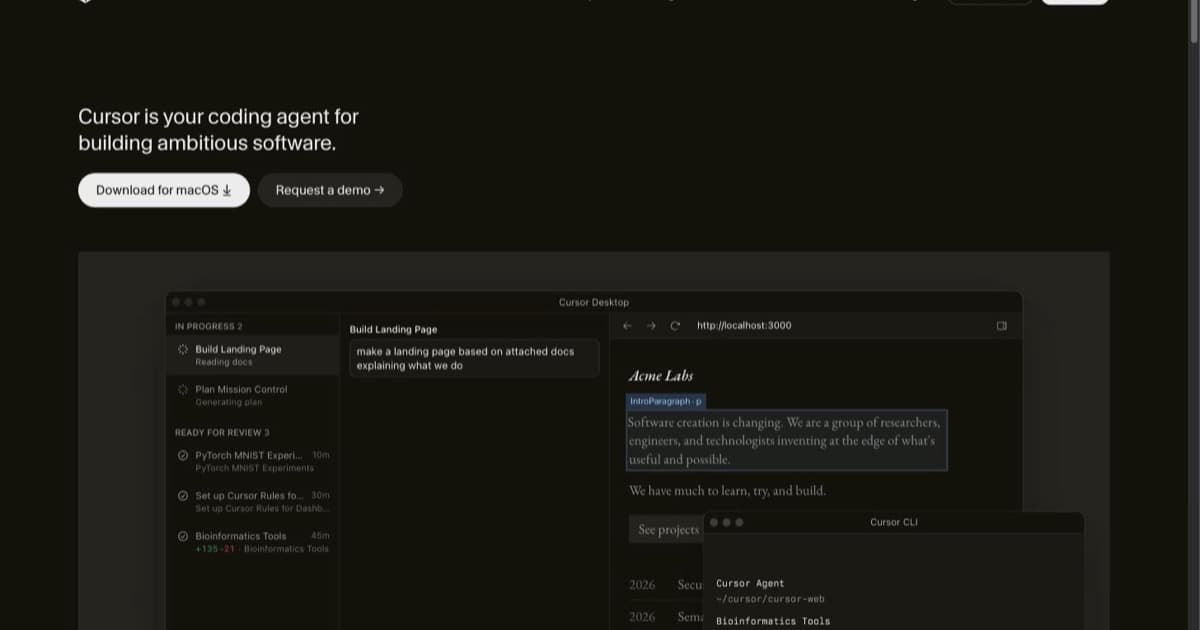

AI-native IDE (VS Code fork) with Composer for multi-file editing and Agent mode for autonomous coding. Agent picks files, runs terminal, iterates on errors, and supports up to 8 parallel agents via git worktrees. Background Agents, Bugbot PR autofix, MCP plugins, and .cursor/rules complete the picture.

NTM (Named Tmux Manager) is a free, open-source tool that transforms tmux into a multi-agent command center. Spawn, tile, and coordinate Claude Code, OpenAI Codex, and Gemini CLI agents across named panes with broadcast prompts, a TUI command palette, conflict tracking, context monitoring, and persistent sessions that survive SSH disconnections.


Free AI-powered IDE built on VS Code by ByteDance. Features Builder Mode for autonomous project scaffolding, multimodal input for design-to-code, and access to premium models like Claude 4 and GPT-4o.
cmux is a free, open-source native macOS terminal built on libghostty (Ghostty rendering engine) with vertical tabs, split panes, notification rings, and a built-in scriptable browser, designed for managing multiple parallel AI coding agents like Claude Code, Codex, and Gemini CLI.
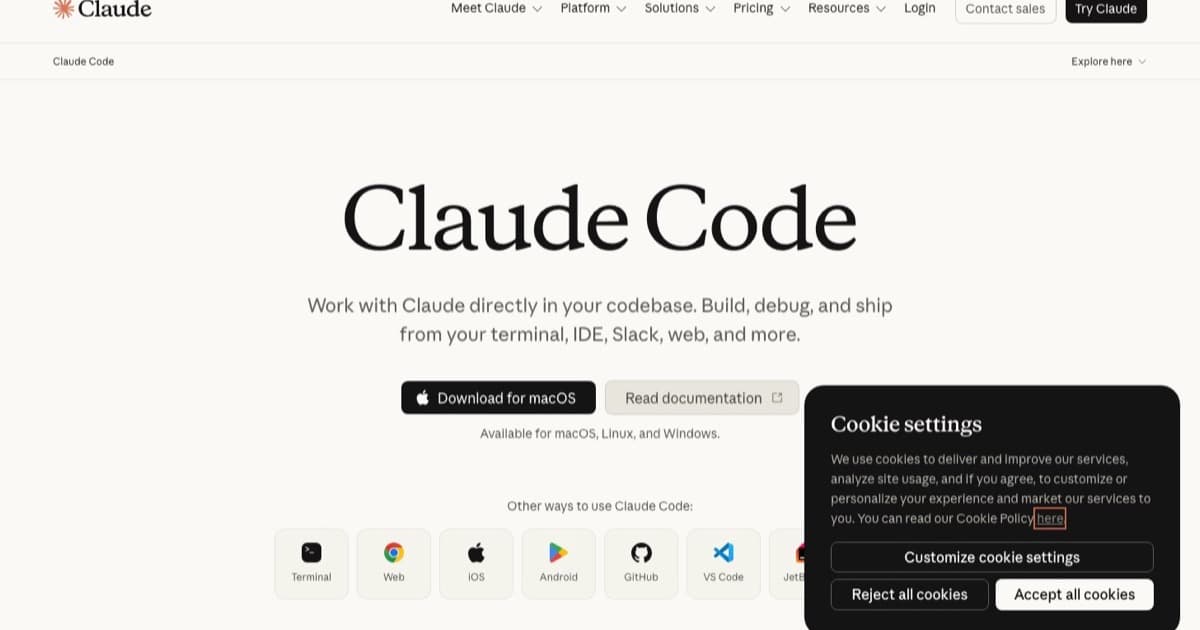

Anthropic's agentic coding interface that lets users describe apps or tasks in natural language and have Claude autonomously plan, write, edit, debug, and iterate code. Available as web app (claude.ai/code) with GitHub integration, and as Desktop app with local file access, visual diffs, and Cowork background agents.
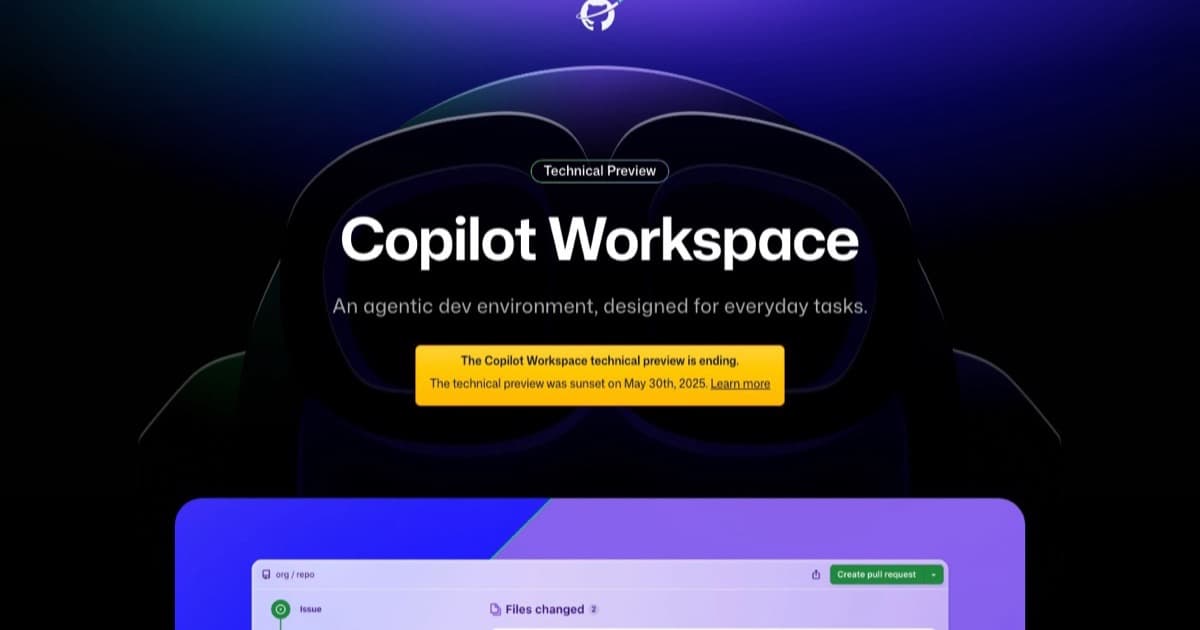

GitHub's AI-powered, agentic development environment that lets you describe changes in natural language and generates plans, code edits, and pull requests across entire repos, all inside a web-based workspace integrated with GitHub.
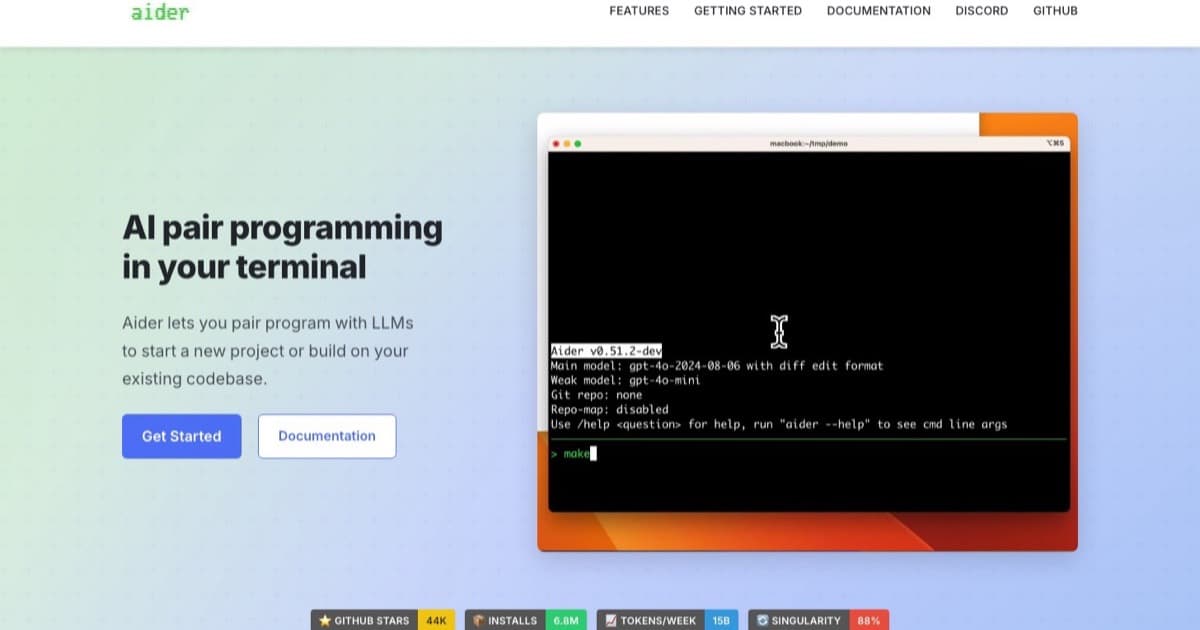
Top-tier command line AI tool. Lets you pair program with LLMs (Claude 3.5, GPT-4o) directly in your git repo. Edits multiple files effectively.
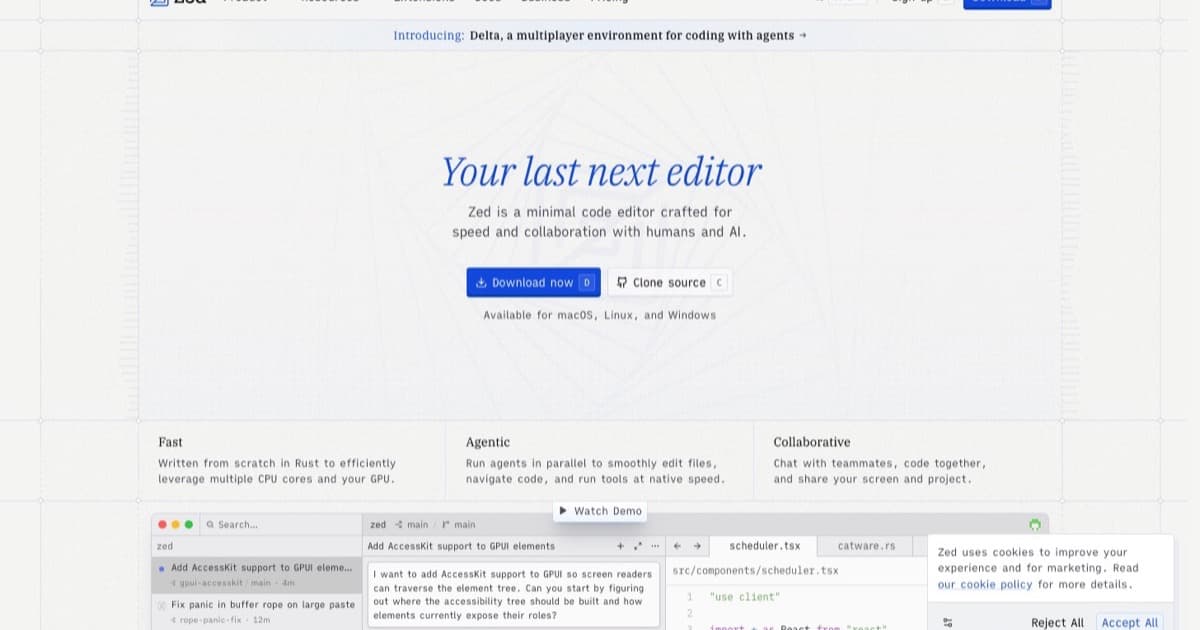

The spiritual successor to Atom, built in Rust for extreme performance. Features built-in AI collaboration and supports multiple LLMs (Claude, OpenAI, etc.).


OpenAI's native macOS desktop app for orchestrating multiple Codex agents with worktrees, skills, automations, and a human-in-the-loop review queue.

Open-source VS Code extension that gives you a full AI dev team in your editor. Supports any model (Claude, GPT, Gemini, local LLMs), custom modes for specialized tasks, and agentic multi-file editing with permission-based control.

The official command-line vibe coding tool from OpenAI. Edits local files, understands your repo, and runs shell commands with your permission. Like Aider, but built by OpenAI.

OpenAI's autonomous software engineering agent. Lives inside ChatGPT Pro, capable of planning, executing, and debugging end-to-end coding tasks in a secure cloud sandbox.


A modern, Rust-based terminal with AI built-in. Features intelligent command suggestions, natural language to shell translation, and collaborative tools.

Open-source AI agent that breaks down tasks into steps and executes them using LLMs and tools.


Alibaba's powerful open-source model (Unsloth optimized). Capable of handling huge monorepos with massive context windows. Run it locally or on private cloud.
Autonomous coding agent from Google that integrates with repositories and can generate pull requests.
Tool that turns natural language prompts into production-ready AI agents for many tasks.


Open-source AI agent that runs locally for improved privacy and control.

Mistral's enterprise-grade vibe coding stack that pairs Codestral models with an open-source CLI agent and self-hosted controls for regulated teams.
Agentic vibe-coding platform designed to help you build ambitious applications with AI.


Official open-source catalog of Agent Skills for OpenAI Codex. Skills are reusable folders of instructions, scripts, and resources that extend Codex with task-specific capabilities like deployment, design implementation, security analysis, and testing.

AI coding assistant with multi-model access (Claude, Codex, Gemini, and more), autonomous agents for end-to-end tasks, and IDE integrations across VS Code, JetBrains, and 35+ platforms.

AI coding agent built into JetBrains IDEs that autonomously plans, writes, tests, and refines code across files, handling ambitious tasks so you can focus on higher-level decisions.


Agentic AI-powered IDE by AWS that turns natural language into structured requirements, designs, and task lists so solo founders can go from prototype to production with less ambiguity. Also AWS's named successor to Amazon Q Developer's IDE plugins, whose support ends 30 April 2027; the Amazon Q product page points migrating users here for agentic coding, chat and MCP support.
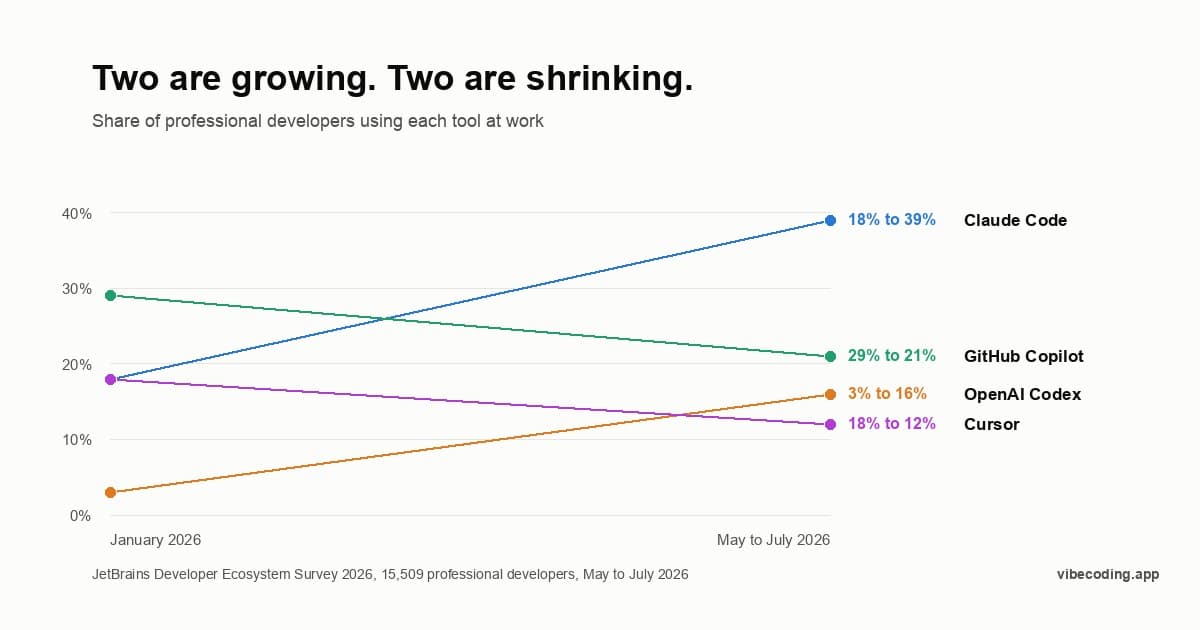
39% of professional developers use Claude Code at work, and Cursor fell to 12%. The 2026 adoption data, and what it does and does not tell you about which tool to learn.
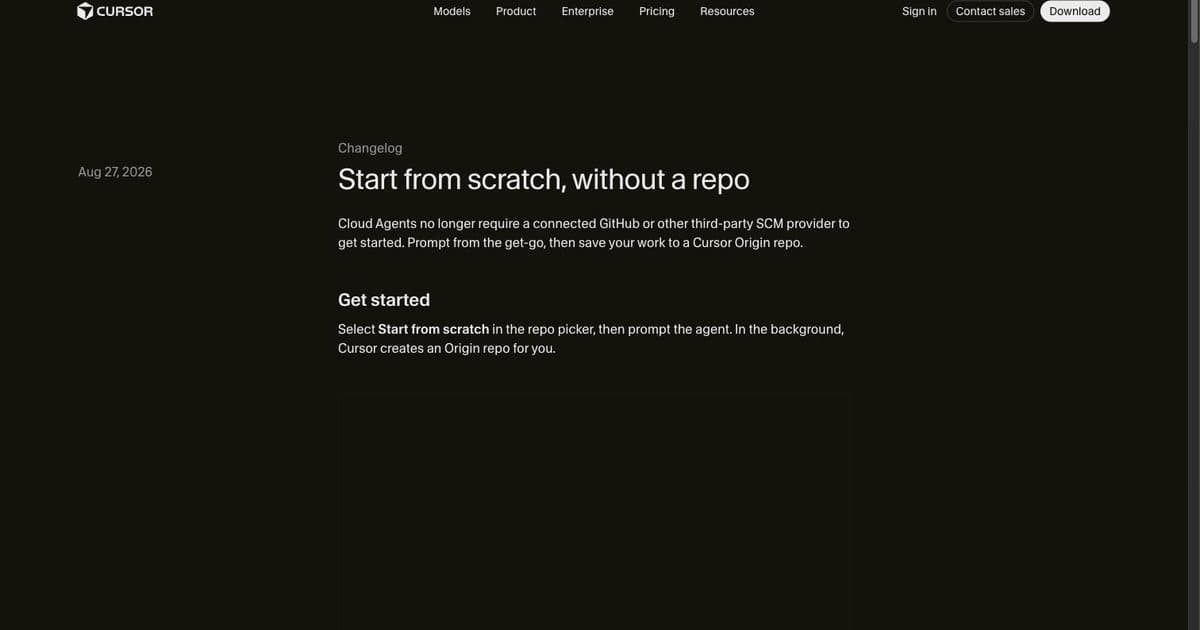
Cursor hosts your code now, and since 27 August a project can skip GitHub entirely. Whether you can get it back out, and the one thing the docs do not answer.

Cursor pricing with every toggle on the official page clicked: Pro $20, Pro+ $60, Ultra $200, Teams $40 to $120 per user, yearly 20% off. Plus the two usage pools that decide how fast your plan runs out.

Claude Code pricing explained with the exact figures from Anthropic's live pricing page: Pro at $20/mo, Max from $100/mo, Team seats from $20, and what API usage costs per developer. Plus how the 5-hour and weekly limits work.

Claude Code is leaving the $20 Anthropic Pro plan. Here are the working alternatives ranked by fit: Cursor, Lovable, Codex, Cline, Aider, Continue.dev, and the local Ollama stack. Pricing and decision tree included.

Honest review of KiloClaw, the managed hosting service for OpenClaw. Covers pricing, security, setup, integrations, and how it compares to self-hosted OpenClaw and other managed Claw hosts.
Gone are the days when "AI support" meant a simple plugin that suggested the next line of code. The new generation of AI-native IDEs is built from the ground up with artificial intelligence at its core. These tools maintain a deep understanding of your project's context, dependencies, and architecture, allowing them to act more like a senior pair programmer than a simple text editor.
Cursor and Windsurf are leading this charge. Cursor's Composer mode enables multi-file edits from natural language prompts, while Windsurf's Cascade technology builds a deep project graph for architecture-aware suggestions. Both use Claude and other frontier models under the hood, making their code generation quality comparable: the difference is in the UX and workflow philosophy.
Most AI IDEs follow a freemium model. Cursor offers a free tier with limited completions and a $20/month Pro plan. Windsurf starts at $15/month: the best value for a full IDE. Trae by ByteDance is completely free as it establishes market share.
CLI agents vary more: Claude Code runs on your Anthropic API usage ($20–$200/month depending on volume), while Aider is free and open-source (you pay for the underlying model API calls). Extension agents like Cline and Roo Code are all open-source and bring-your-own-key.
The productivity gains are well documented. Developers who switch to AI-first environments consistently report 30–50% faster coding speed on routine tasks. But the real value isn't speed; it's cognitive leverage. By offloading boilerplate generation, syntax checking, and repetitive refactoring to the AI, you free up mental energy for architectural decisions and creative problem-solving.
The smartest approach in 2026 isn't picking one tool; it's combining them. Most professional developers now use GitHub Copilot for baseline autocomplete, Cursor or Claude Code for complex multi-file tasks, and a code review tool to verify the output. The tools complement each other more than they compete.
Across Reddit, YouTube, and developer forums, the consensus in 2026 is clear: Cursor is the daily driver for most developers, Claude Code is the power tool for complex tasks, and Cline is the "best free option" for those who want to stay in VS Code. Windsurf's OpenAI acquisition has the community watching closely, many expect it to close the gap with Cursor by late 2026.
For solopreneurs on a budget, the most recommended stack is Windsurf Free + Cline with your own API key, total cost around $5/month for API calls.
Based on community feedback and benchmark data, here are the most effective tool combinations in 2026:
The trajectory is toward more autonomy. Agent Teams (multiple agents collaborating on a task), voice-driven coding, and AI that can plan across entire sprints are all in active development. Devin and Google Jules are pushing the frontier of what "autonomous" means, while established tools like Cursor and Claude Code keep expanding their agent capabilities.
For a curated editorial guide to the top picks, see our Best AI IDEs & Autonomous Agents guide.
An AI IDE (like Cursor or Windsurf) is a standalone editor built with AI at its core, offering deeper integration, agentic modes, and multi-file editing. A plugin (like Copilot in VS Code) adds AI features to a traditional editor but has more limited access to the editor's internal state. Extension agents like Cline sit in between; they bring agentic capabilities to VS Code but can't modify the editor UI itself.
Cursor is the overall leader for developers who want the deepest AI integration and fastest autocomplete. Windsurf is best for large, complex codebases where project-wide context matters most. Cline is ideal if you want to stay in VS Code and bring your own API key. Many developers use two or more of these together.
Most offer generous free tiers. Cursor's free tier includes limited AI completions. Windsurf has a free plan. Trae by ByteDance is entirely free. Extension agents like Cline, Roo Code, and Kilo Code are open-source; you only pay for the underlying API calls to models like Claude or GPT.
Yes. Cursor, Windsurf, and Trae are all VS Code forks, so they support the vast majority of the VS Code extension ecosystem out of the box. Cline, Roo Code, and Kilo Code ARE VS Code extensions, so they work alongside your existing setup.
Reputable tools have strict security policies. Amazon Q Developer and Tabnine offer on-premise deployment. Cursor, Windsurf, and Claude Code offer zero-retention settings for enterprise plans. Open-source tools like Cline and Aider send code only to the model API you configure; you control the data flow. Always check the privacy policy of your chosen tool.
No. They shift the job from writing syntax to directing intent. You still need to know what to build, verify the output, and make architectural decisions. The role evolves from 'code synthesizer' to 'architect and reviewer.' Developers who learn to work effectively with AI agents are significantly more productive than those who don't.
Use this category page as a curated shortlist of Developer IDEs & Agents tools. You can explore each tool’s features on its tool page, then compare options via their alternatives pages. If you want to browse everything, head back to All Tools.
Popular starting points in this category include Cursor, Google AntiGravity and Devin Desktop (formerly Windsurf).
Tools that improve the developer workflow itself: automation, command runners, multi-agent orchestrators, productivity layers.
AI tools for marketing, websites, business operations, and non-developer workflows.
Prompt-to-app builders for non-engineers and rapid prototyping. Generates working apps from natural language.
Full-fledged code editors, agentic IDEs, and pair-programming environments for engineers.
AI assistants that review pull requests, suggest fixes, and act as a second pair of eyes on existing code.
Infrastructure for running, orchestrating, and observing autonomous AI agents (memory, tools, sandboxing).
Cloud-based development environments and prototyping platforms (StackBlitz, Replit-style).
Libraries, SDKs, frameworks, and dev kits that engineers use to build AI features into their own apps.
Hosting, deployment platforms, databases, and backend infrastructure for AI-powered apps.
Curated prompt libraries, skill packs, and reusable prompt frameworks.
Hyperscaler AI platforms (Bedrock, Vertex AI, Azure AI Foundry) — managed services for foundation models.
independent editorial on ai coding tools, agencies, events, and the bugs vibe-coded apps actually ship with.
no spam · unsubscribe anytime