claude code adoption statistics 2026: which tool should you learn?
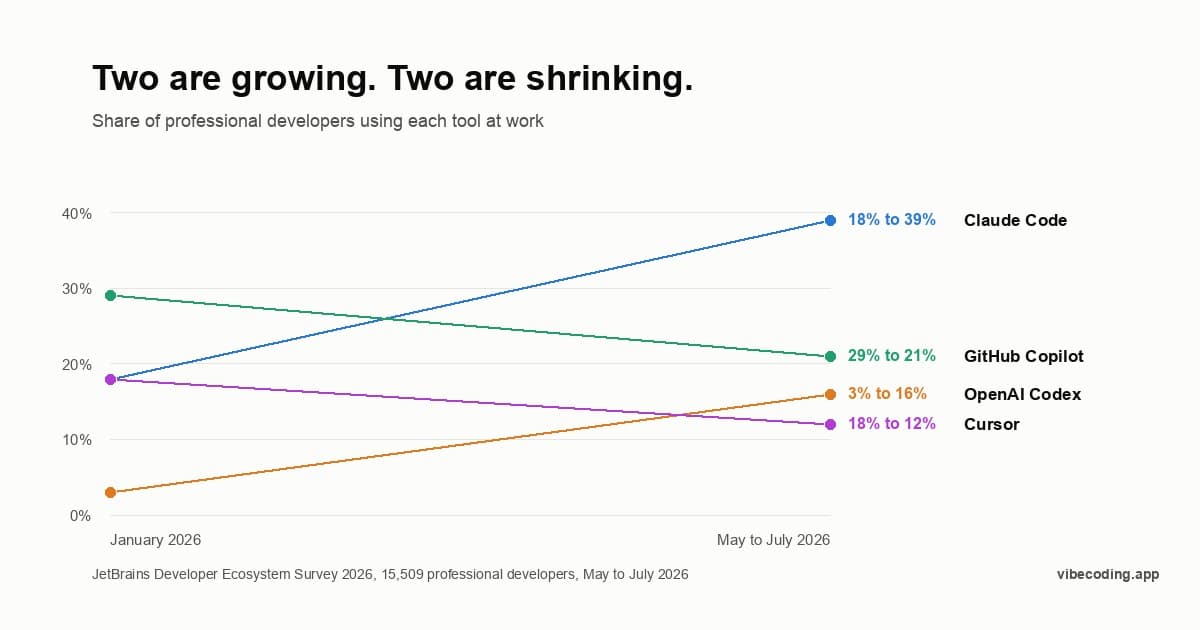
39% of professional developers use Claude Code at work, and Cursor fell to 12%. The 2026 adoption data, and what it does and does not tell you about which tool to learn.
Page 2 of blog articles on vibe coding tools, workflows, and AI-powered development.

39% of professional developers use Claude Code at work, and Cursor fell to 12%. The 2026 adoption data, and what it does and does not tell you about which tool to learn.

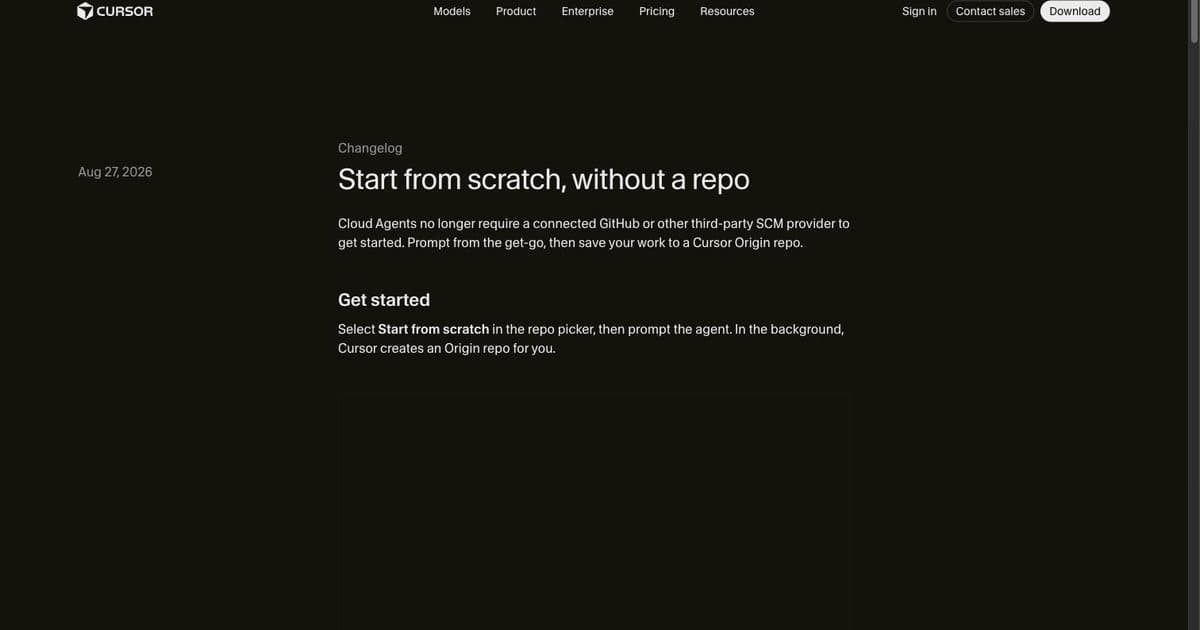
Cursor hosts your code now, and since 27 August a project can skip GitHub entirely. Whether you can get it back out, and the one thing the docs do not answer.

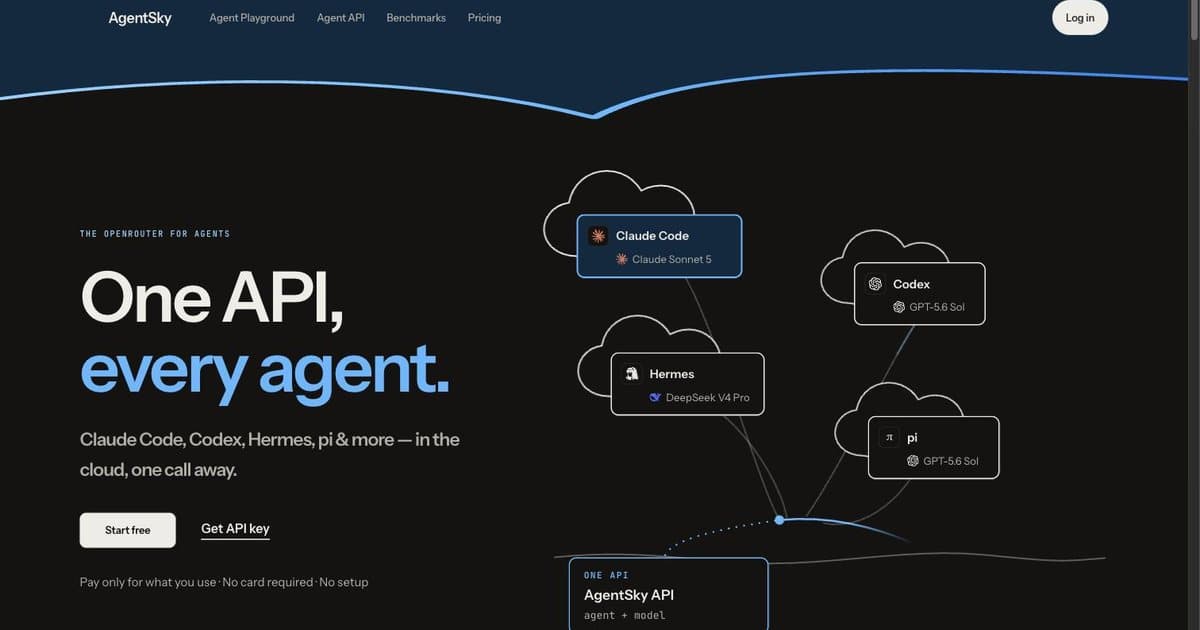
Your agent stops when you close the laptop. Whether that is worth paying to fix, what it actually costs, and the cheaper answer most people should take instead.

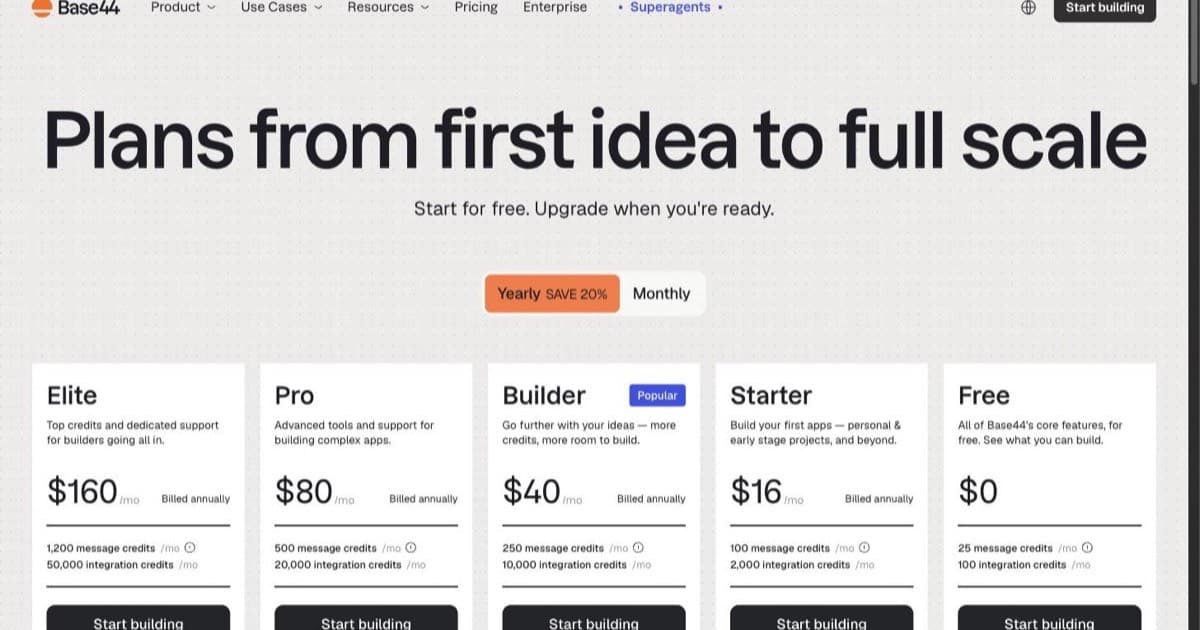
Base44 promo codes in 2026: what exists, what does not, and the verified savings: annual 20%, student 50%, and referral credits.

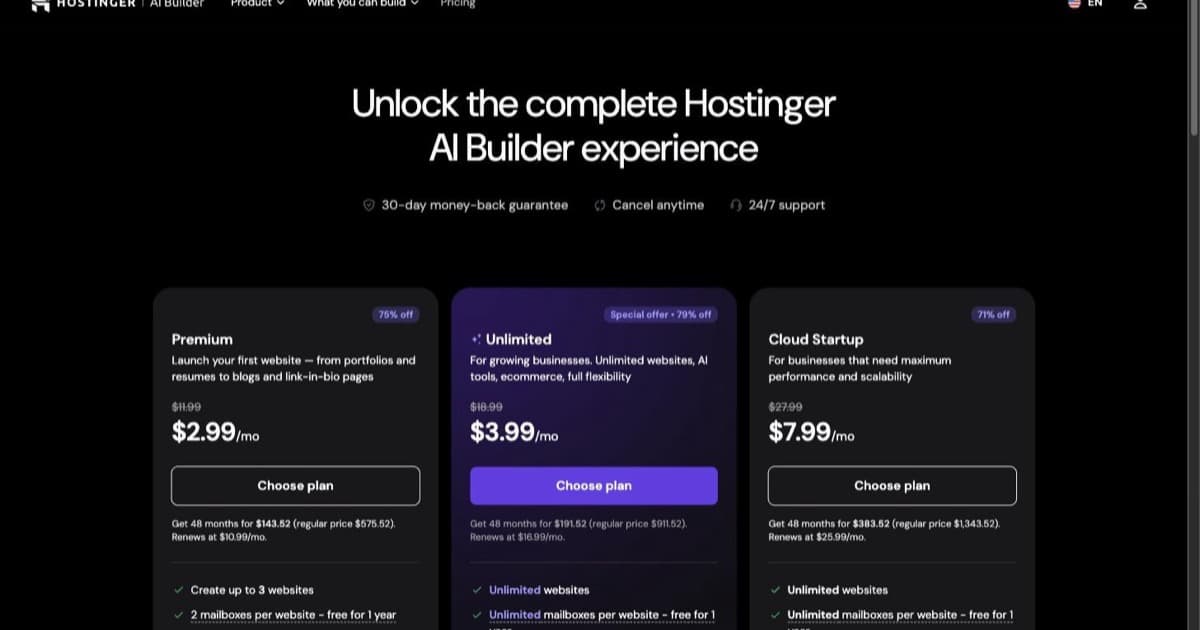
How Hostinger AI Builder (ex Horizons) discounts work: the default 75% pricing, the coupons page, community codes, and the renewal math.

Kilo Code promo codes in 2026: what is live, the Kilo Pass annual bonus, the free open-source tier, and how credit campaigns work.

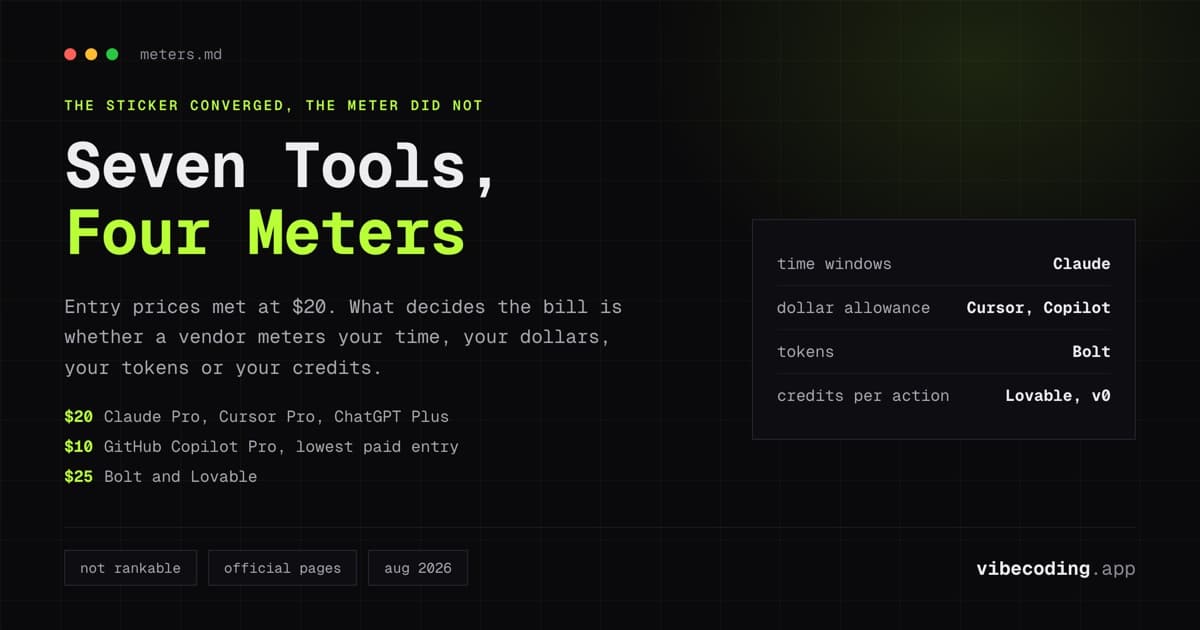
Every AI coding agent priced from its official page in one comparison: Claude Code, Cursor, Codex, GitHub Copilot, Bolt, v0 and Lovable. The real difference is not the price, it is the meter: time windows, dollar allowances, tokens or credits.

A working plan for building a store with Lovable: the digital-product build that genuinely fits (catalog, Supabase, Stripe checkout), the prompts per stage, and where physical-inventory commerce outgrows a vibe-coded stack.

Lovable generates React web apps, not native binaries. What that means for the App Store, when a responsive web app or PWA is genuinely enough, and the four realistic paths from a Lovable build to phones.

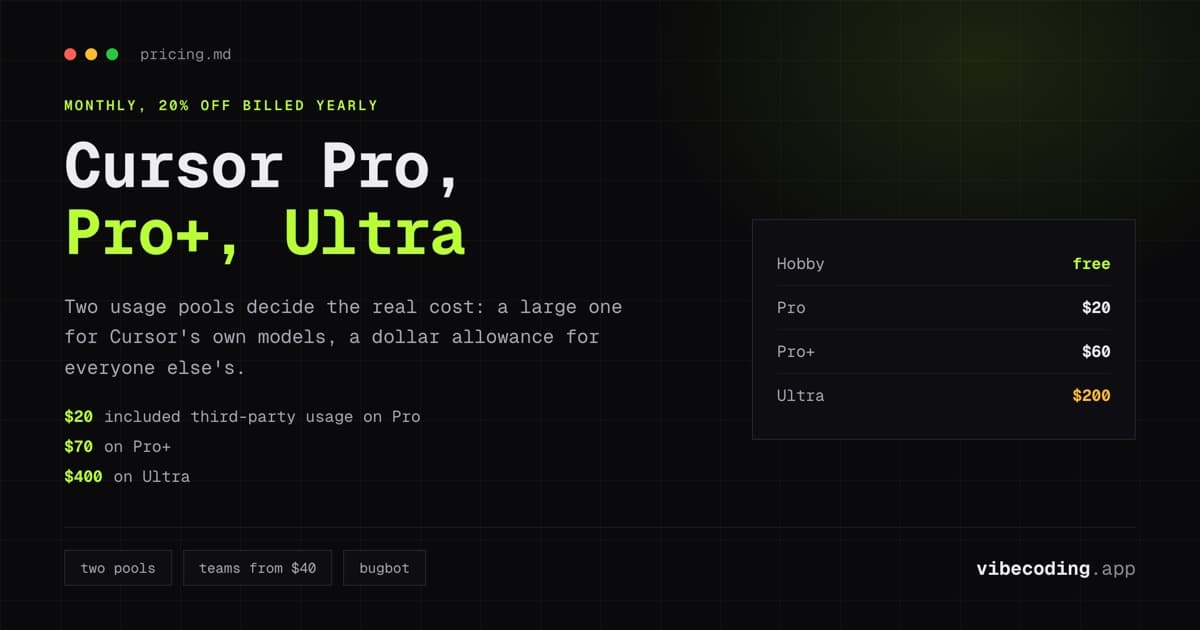
Cursor pricing with every toggle on the official page clicked: Pro $20, Pro+ $60, Ultra $200, Teams $40 to $120 per user, yearly 20% off. Plus the two usage pools that decide how fast your plan runs out.

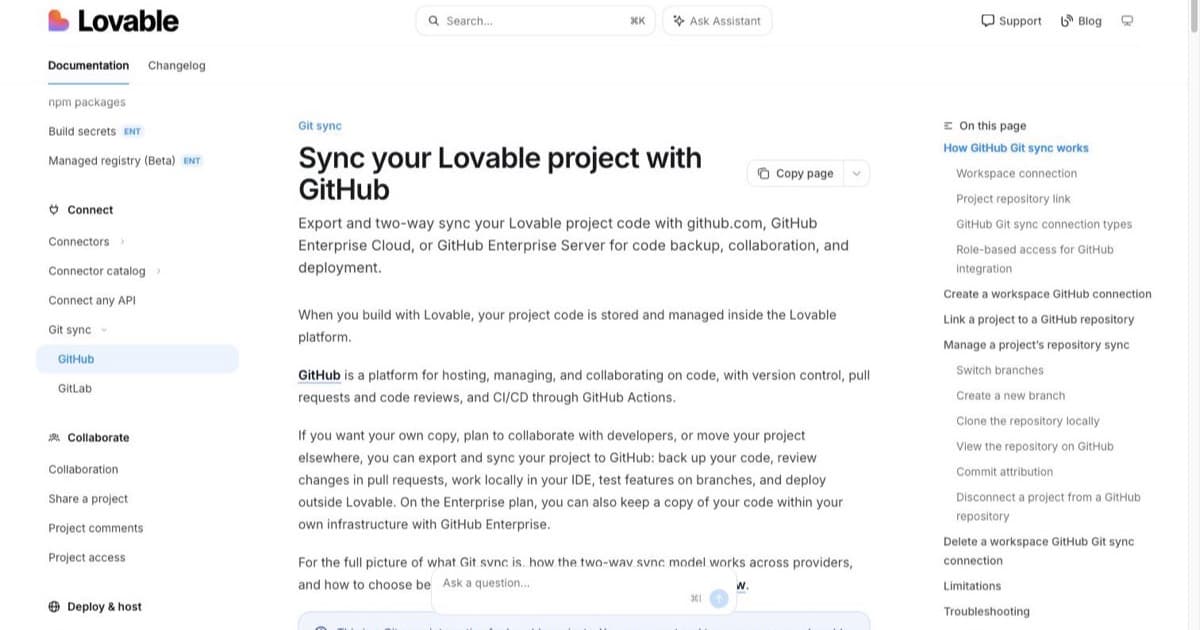
How to connect Lovable's GitHub sync, what actually lands in the repo, where secrets and database data do NOT go, and the prove-it checklist that confirms the code runs without Lovable.

A triage order for broken Lovable apps: status pages first, then the exact error, then the fix prompt. Covers blank screens, auth that dies in production, RLS permission errors, and when to stop prompting and open the code.

Practical Lovable prompting guide: the first-prompt formula, bad to better prompt rewrites, knowledge-file setup, and the habits that cut credit burn, built around Lovable's own published per-message costs.

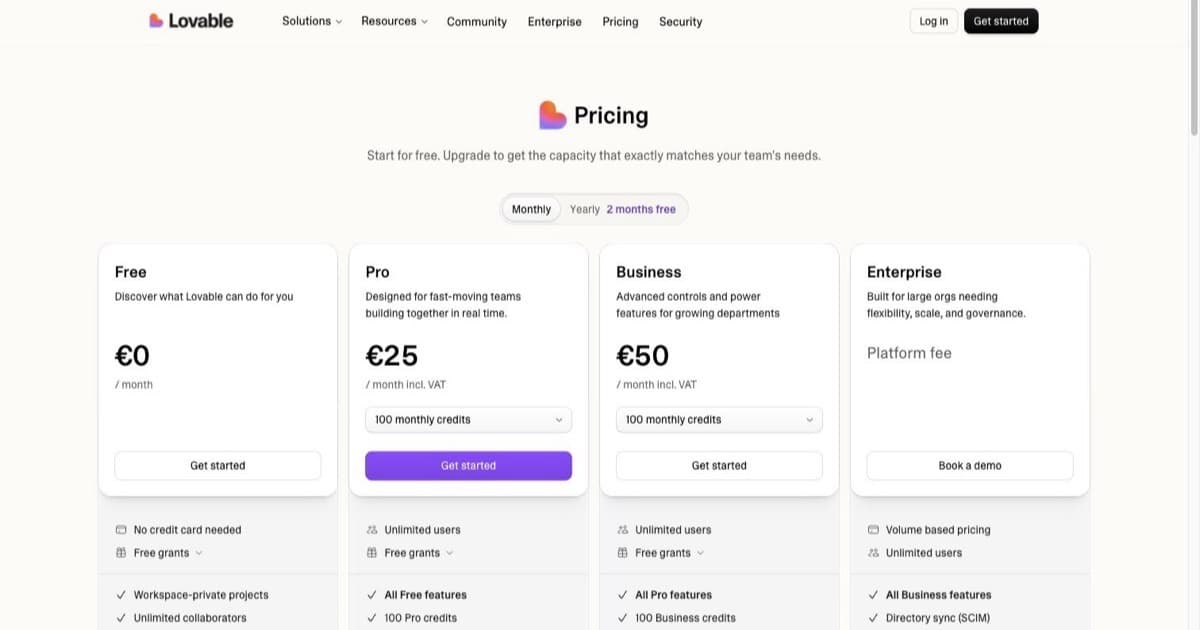
Lovable's credit system decoded from the official pages: what messages cost (0.5 to 1.7 credits by Lovable's own examples), what one balance covers, every expiry rule, and how far each plan's credits actually go.

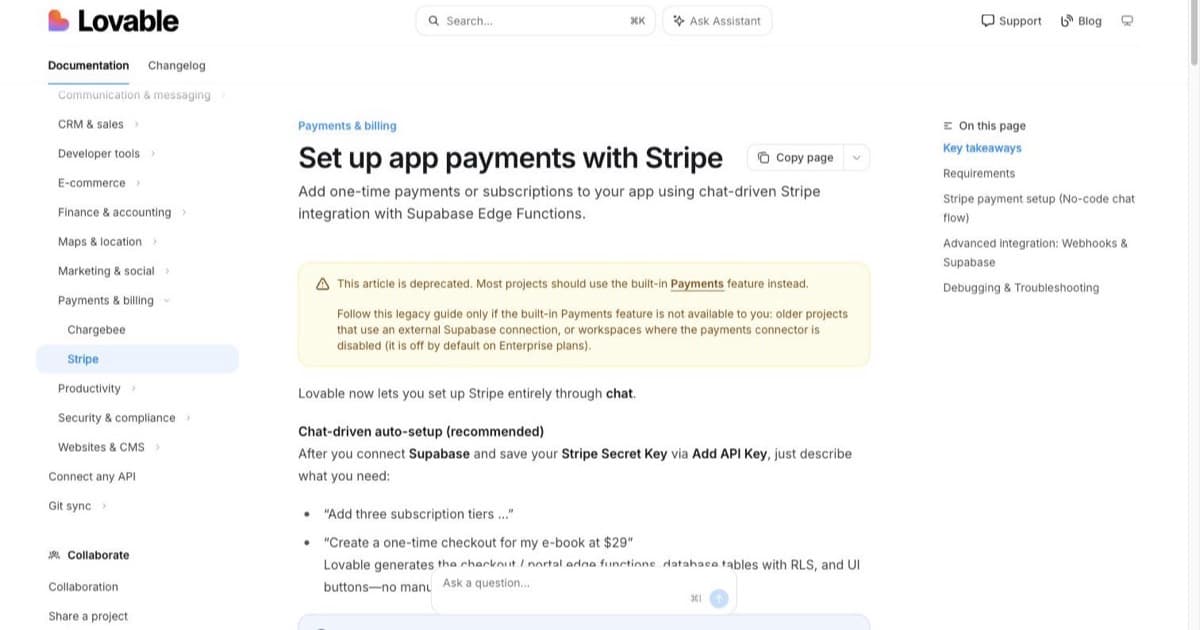
How to add Stripe payments to a Lovable app: the built-in Payments path vs the direct Stripe integration, prompts for one-time and subscription billing, webhook sanity checks, and the go-live list.

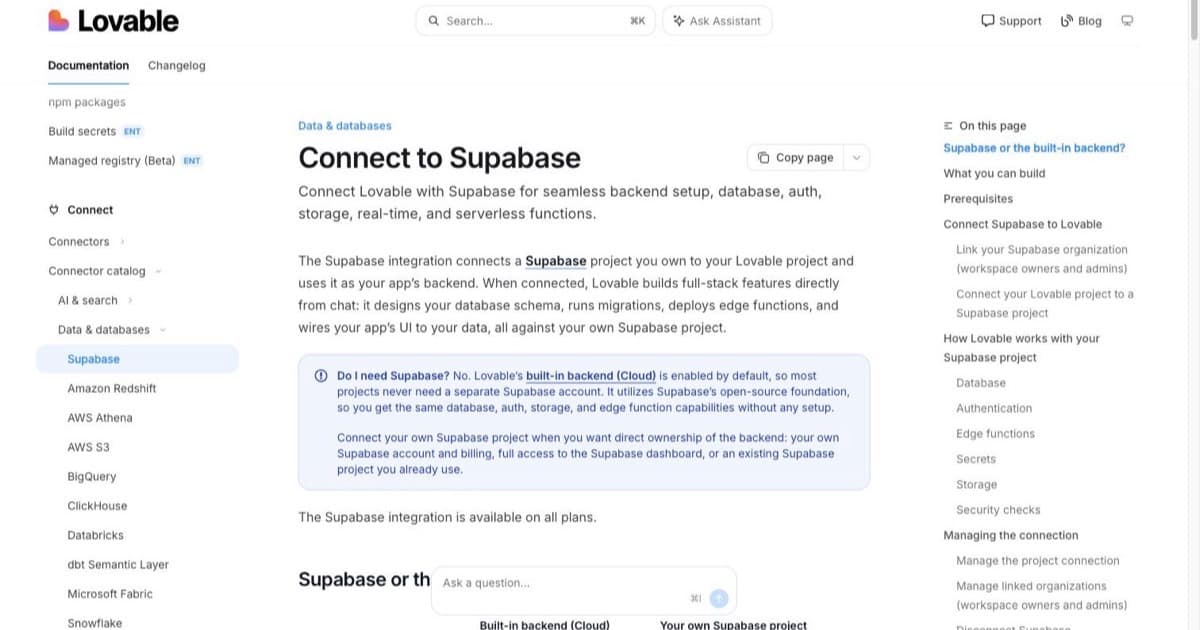
How to connect Supabase to Lovable: when to use your own Supabase instead of Lovable Cloud, the connection flow, auth and database prompts, RLS security checks, and what it costs.

Lovable and Bolt both charge $25/mo and build full-stack apps from prompts. The real difference is the meter (credits vs tokens), the backend path (Supabase vs your choice), and what each free tier actually lets you ship.

Lovable builds and hosts the whole product; v0 generates world-class React UI inside the Vercel ecosystem. Live pricing ($25 vs $30), the different credit meters, and the workflow where the two combine.

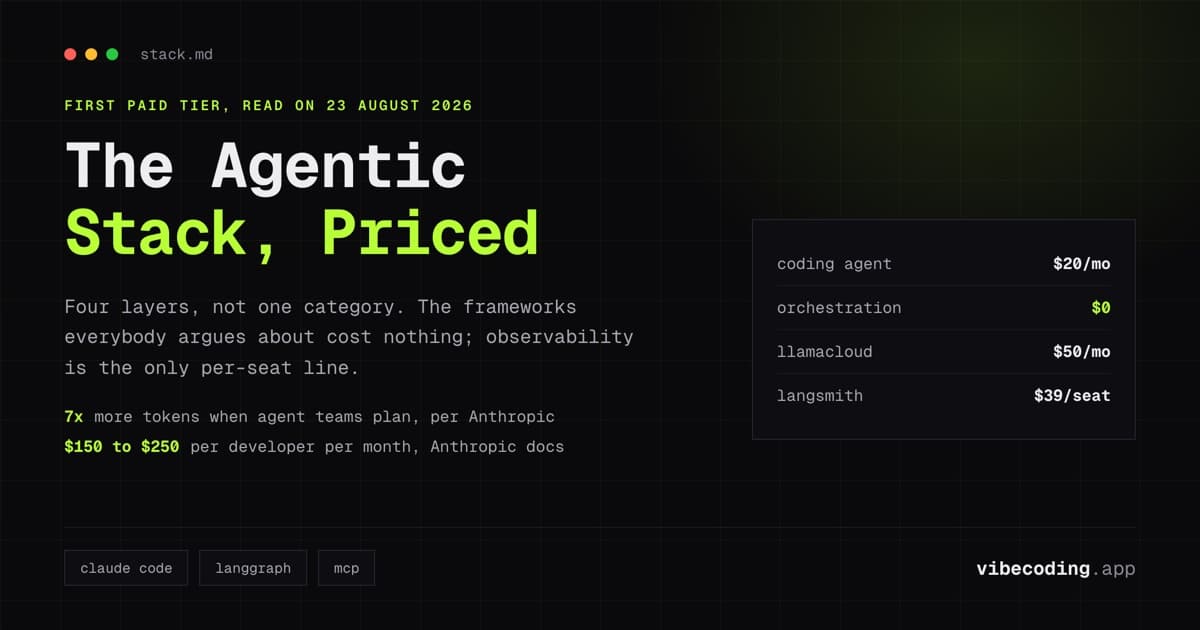
The agentic engineering stack for 2026 in four layers: coding agents, orchestration frameworks, data and memory, observability. Live prices for Claude Code, Cursor, Codex, CrewAI, LangGraph, LangSmith and LlamaCloud, plus starter stacks by team size.

Claude Code pricing explained with the exact figures from Anthropic's live pricing page: Pro at $20/mo, Max from $100/mo, Team seats from $20, and what API usage costs per developer. Plus how the 5-hour and weekly limits work.

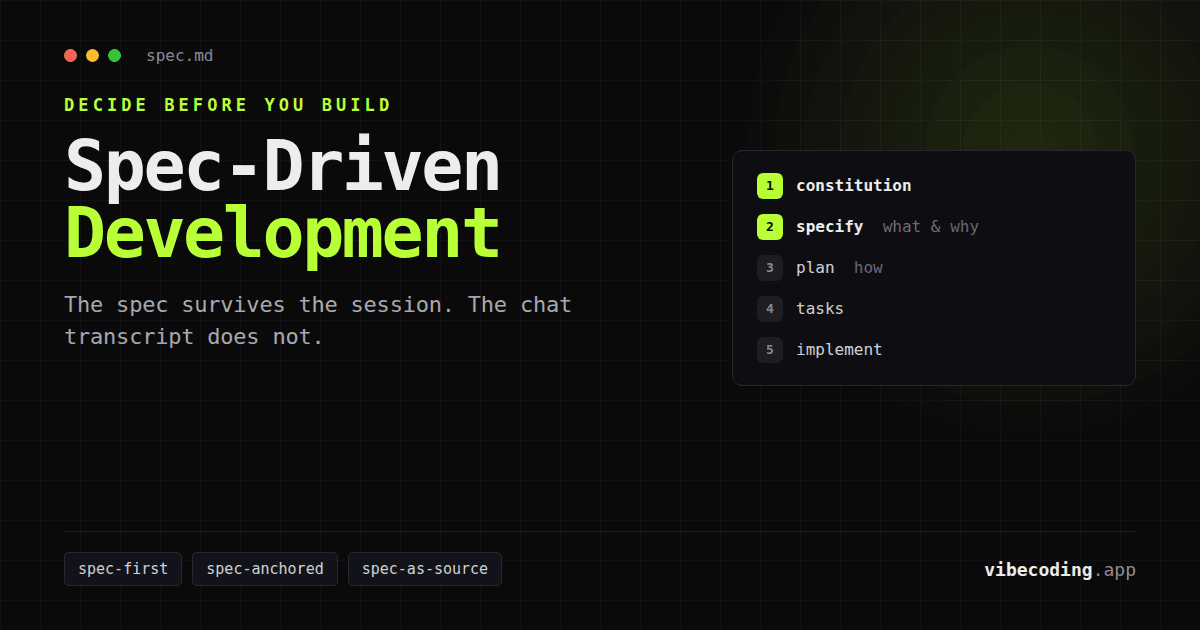
What spec-driven development is, the three levels of rigor, how the loop runs with AI coding agents, and the published criticism of it that most guides leave out.

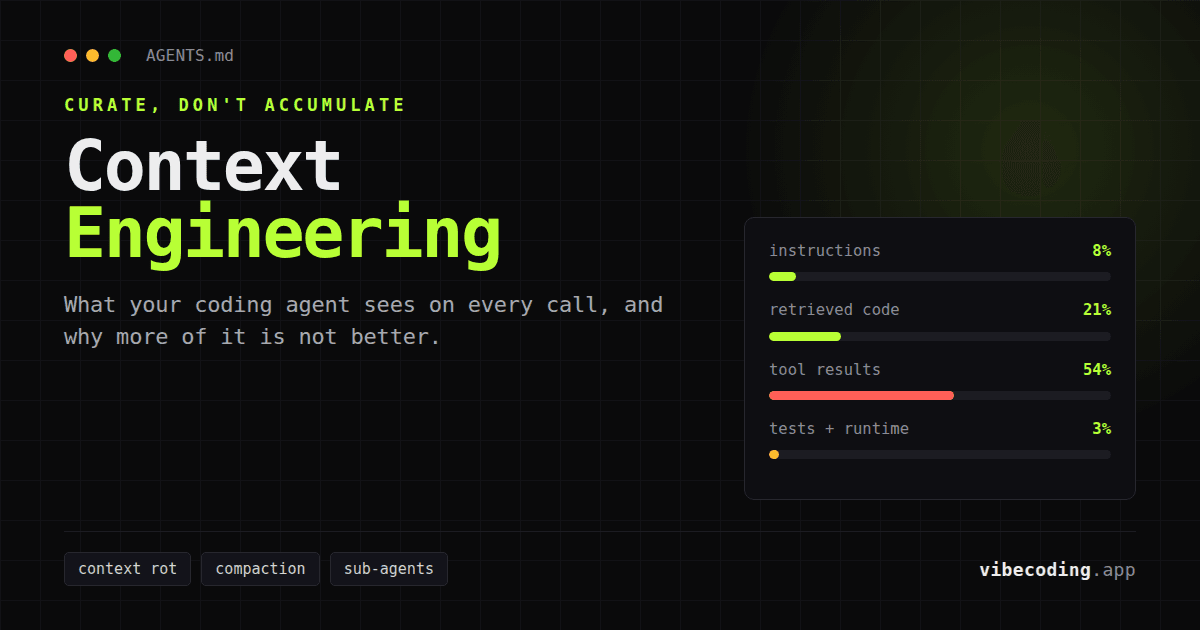
What context engineering means for coding agents, how it differs from prompt engineering, the five kinds of context that compete for the window, and the tactics that measurably improve agent output.

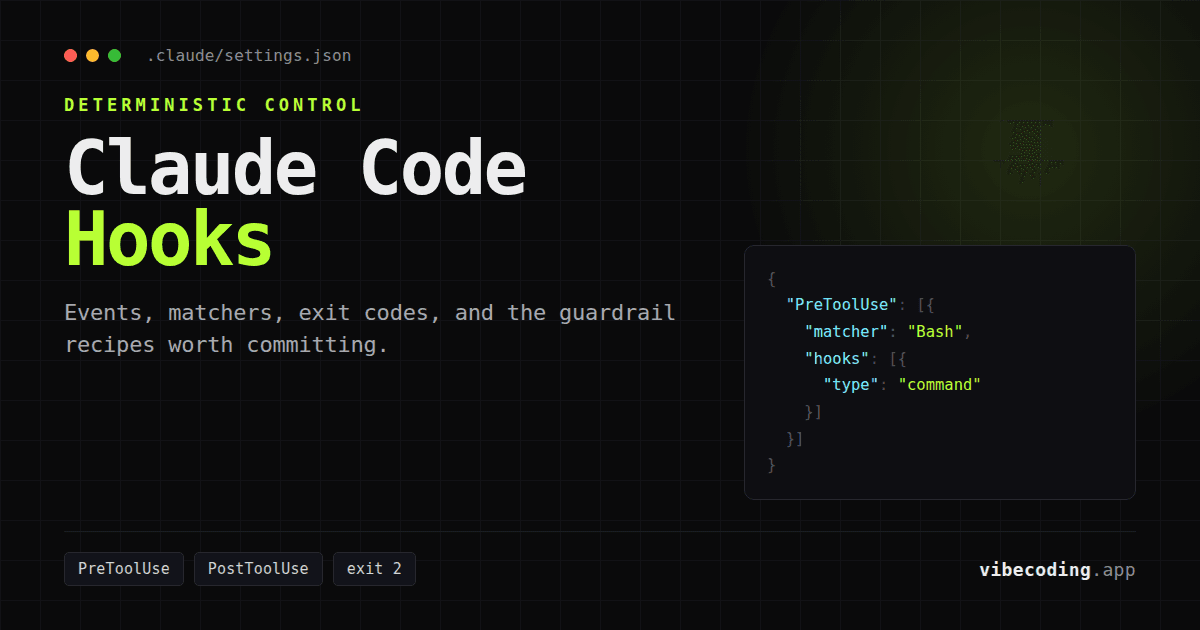
How Claude Code hooks actually work: the event lifecycle, matcher syntax, exit code and decision JSON semantics, five handler types, copy-paste guardrail recipes, and the failure modes that make hooks go quiet.

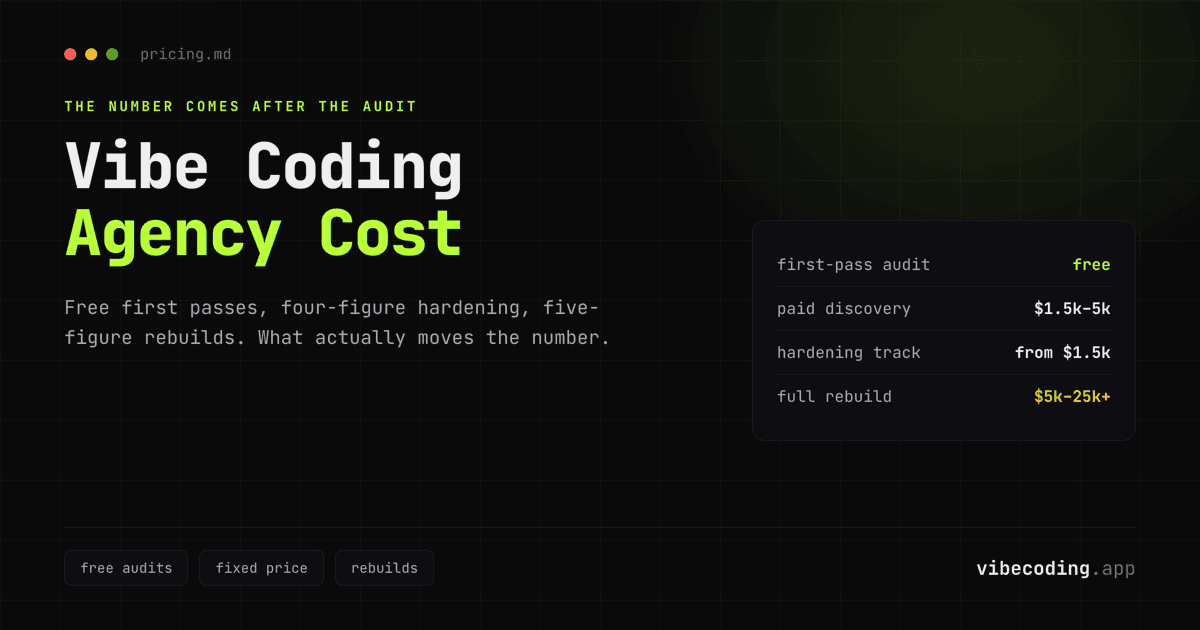
Real vibe coding agency pricing: free audits, $1,500 to $5,000 hardening tracks, and $5,000 to $25,000+ rebuilds. What moves the number and how to keep it down.