Vibe Coding AI Coding Tools
Discover vibe coding tools that create seamless developer experiences through AI assistance, intelligent automation, and flow-optimized interfaces designed for deep work.
What Is Vibe Coding?
Vibe coding represents a philosophy of development where tools and workflows are optimized for flow state and developer experience. Unlike traditional development environments that focus solely on features, vibe coding tools consider the psychological and ergonomic aspects of programming. They reduce cognitive friction, anticipate developer needs, and create environments where writing code feels effortless and enjoyable.
The term "vibe" captures the intangible quality of tools that just feel right. Vibe coding tools understand context without explicit instruction. They surface the right information at the right time. They automate tedious tasks while preserving developer agency. Most importantly, they get out of your way when you're in flow state, appearing only when genuinely helpful.
The Philosophy Behind Vibe Coding
Reducing Context Switching
Traditional development requires constant context switching: between documentation and code, between different files, between thinking and searching. Vibe coding tools minimize these switches by bringing relevant information into your immediate context. Need to know a function signature? It appears inline. Wondering about API behavior? Documentation surfaces automatically. This context awareness keeps developers in flow rather than breaking concentration.
AI That Reads the Room
Vibe coding AI assistants don't interrupt unnecessarily. They observe your patterns, learn your preferences, and intervene only when they can genuinely help. Unlike aggressive autocomplete that constantly suggests code you don't want, vibe coding tools understand the difference between typing actively and pausing to think. This intelligence comes from training on developer workflows rather than just code patterns.
Aesthetic and Functional Excellence
Vibe coding tools recognize that aesthetics matter for productivity. Clean interfaces, thoughtful animations, and beautiful typography aren't superficial—they reduce cognitive load and make long coding sessions less fatiguing. The best vibe coding tools combine visual polish with functional depth, proving that tools can be both powerful and pleasant to use.
Optimized for Deep Work
Vibe coding environments minimize notifications, distractions, and interruptions. They provide focus modes that silence everything except critical errors. They respect your attention as a scarce resource and design every feature with the question: "Will this help or hinder deep concentration?" This deliberate approach to attention management sets vibe coding tools apart from traditional IDEs.
How Vibe Coding Tools Use AI
The AI in vibe coding tools differs fundamentally from simple code completion. These systems understand project context, coding style, and even individual developer preferences. They can explain complex code in plain English, suggest architectural improvements, and generate entire features from natural language descriptions. But crucially, they do this without overwhelming developers with suggestions or breaking concentration.
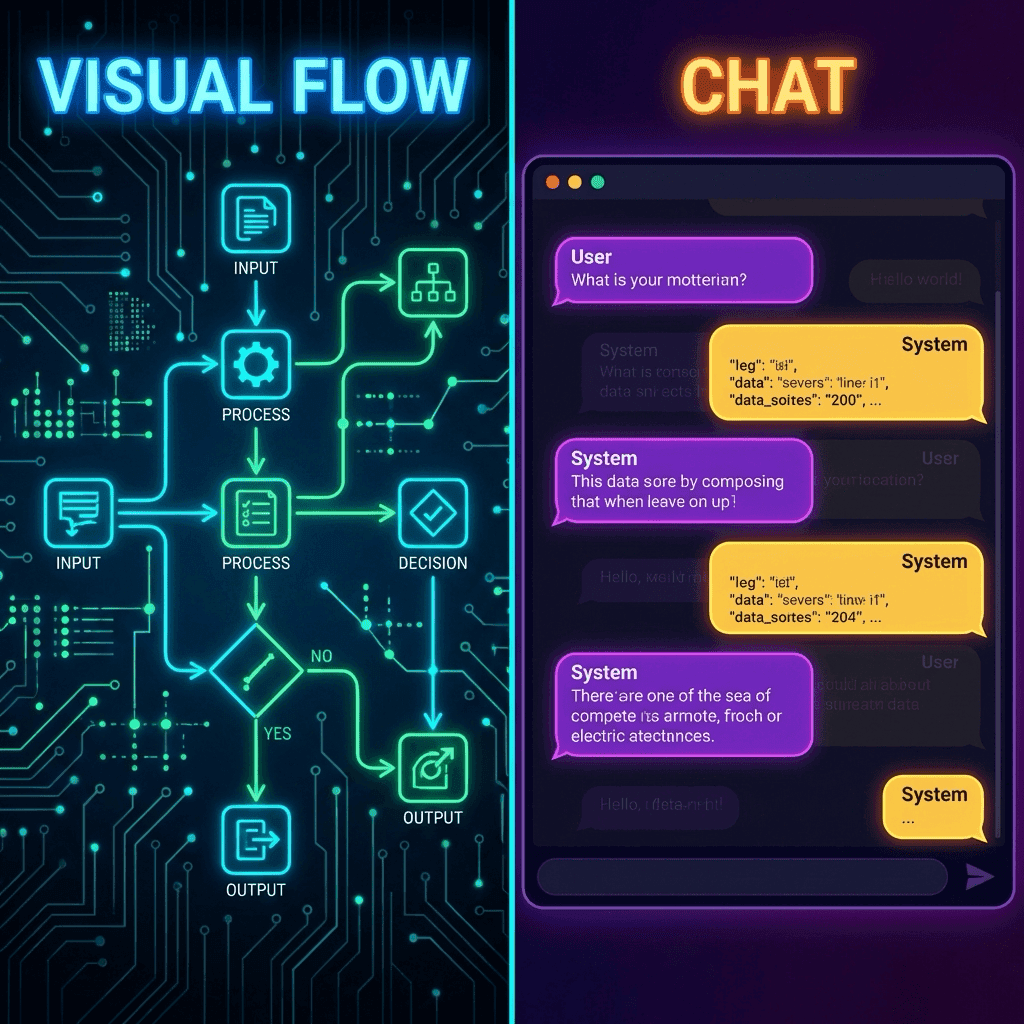
Modern vibe coding AI can engage in back-and-forth conversation about code architecture, debug issues through interactive dialogue, and even pair program by taking turns implementing features. This conversational approach feels more like working with a thoughtful colleague than using a tool, creating a development experience that many find more enjoyable and productive than solo coding.
The Vibe Coding Ecosystem
Tools in this category span the full development workflow. Some focus on the coding environment itself, providing AI-enhanced editors and IDEs. Others optimize the feedback loop, offering instant preview, automatic testing, and intelligent debugging. Many vibe coding tools integrate multiple aspects: combining code editing, terminal access, version control, and deployment in a unified experience designed for flow.
What unites these tools is attention to developer experience. They're built by developers who understand the pain points of traditional workflows and design alternatives that respect developer time and attention. Whether through beautiful interfaces, intelligent automation, or seamless integrations, vibe coding tools make programming more enjoyable and productive.
Vibe Coding vs Traditional Development
Traditional development environments often feel like assembling tools from different eras with incompatible philosophies. You use a text editor from one vendor, version control from another, terminal emulation from a third, and none of them communicate seamlessly. Vibe coding tools provide cohesive experiences where every component is designed to work together naturally.
This doesn't mean vibe coding tools are necessarily all-in-one solutions. Some achieve cohesion through thoughtful integration with existing tools rather than reimplementation. The key difference is intentional design: every interaction is considered, every feature is justified by user needs, and the overall experience is greater than the sum of its parts.
Adopting a Vibe Coding Workflow
Transitioning to vibe coding requires openness to new workflows. Start by identifying friction points in your current development process. Where do you lose flow state? What tasks feel unnecessarily tedious? Which tools interrupt more than they help? Then explore vibe coding alternatives that address these specific pain points.
You don't need to revolutionize your entire workflow overnight. Try one vibe coding tool for a specific use case—perhaps an AI pair programming assistant for a new feature or a flow-optimized editor for focus sessions. As you experience the reduced friction and improved productivity, you'll naturally identify other opportunities to incorporate vibe coding philosophy into your development practice.
The Future of Developer Experience
Vibe coding represents the future of development tools. As AI capabilities expand, tools will become increasingly intelligent about developer context, needs, and preferences. Future vibe coding environments will likely incorporate even more ambient intelligence: automatically managing dependencies, predicting performance issues, suggesting optimizations, and generally making development feel more like directing AI assistance than manually writing every line.
For developers willing to embrace these changes, vibe coding tools offer a glimpse of this future today. The tools below demonstrate how AI and thoughtful design can transform programming from a sometimes-frustrating technical activity into a genuinely enjoyable creative practice.
Vibe Coding Tools (16)

Hostinger AI Hub
AI-powered website creation and content tools to help anyone build and grow online faster.
Google Disco
Google's experimental AI browser that turns open tabs into ephemeral apps. Uses Gemini 3 to create checklists, planners, and comparison tables instantly.

DevStral 2
Mistral's enterprise-grade vibe coding stack that pairs Codestral models with an open-source CLI agent and self-hosted controls for regulated teams.
LingGuang
Ant Group's multimodal vibe-coding assistant that ships Flash Apps, 3D visuals, and real-time scene insights from a single prompt.

Blink.new
The 'world's first vibe coding platform' that builds full-stack apps and agents from natural language prompts. Excellent for MVPs and non-technical founders.
YouWare
AI-powered vibe coding platform that turns natural language prompts into full-stack websites and apps. Features YouBase integrated backend, model switching between GPT-5-Codex and Claude 4.5 Sonnet, and one-click publishing to web and app stores.
Aider
Top-tier command line AI tool. Lets you pair program with LLMs (Claude 3.5, GPT-4o) directly in your git repo. Edits multiple files effectively.

Claude Code
Anthropic's agentic coding interface that lets users describe apps or tasks in natural language and have Claude autonomously plan, write, edit, debug, and iterate code. Available as web app (claude.ai/code) with GitHub integration, and as Desktop app with local file access, visual diffs, and Cowork background agents.
VibeCode App
Mobile-first builder for Vibe Coding projects. Build and ship apps from your phone with a flow-state friendly experience.
Base44
AI-powered platform to build custom applications from a text description with minimal coding.
Anything.com
AI-powered vibe coding platform (formerly Create.xyz) that turns natural language prompts into production-ready web and native mobile apps with built-in backend services.
Wispr Flow
AI dictation app that turns speech into polished text in any text field, with auto-edits and voice commands.
OpenAI Codex Agent
OpenAI's autonomous software engineering agent. Lives inside ChatGPT Pro, capable of planning, executing, and debugging end-to-end coding tasks in a secure cloud sandbox.
OpenAI Codex CLI
The official command-line vibe coding tool from OpenAI. Edits local files, understands your repo, and runs shell commands with your permission. Like Aider, but built by OpenAI.

VibeSDK
Open-source AI "vibe coding" platform built on Cloudflare. Generate full-stack apps from prompts, sandboxed in WebContainers, and deploy instantly to Workers. The self-hosted alternative to Bolt.new.
Cline
Autonomous AI coding agent for VS Code that handles complex software development tasks step-by-step, with tools for creating/editing files, executing commands, browser automation, and Model Context Protocol (MCP) integration.